YumYum
-

Allergen Cross-Contact in Restaurant Kitchens, Explained
Cooking doesn’t remove allergens. What allergen cross-contact is, the nine major allergens, and the prep, storage, fryer and training controls that work.
-

Restaurant Email vs SMS Marketing: Which Brings Guests Back
Email and SMS win different jobs. Compare cost, the FTC and FCC consent rules, the best uses for each, and a combined…
-

Commercial Ice Machine Cleaning: A Monthly Checklist
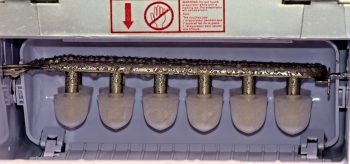
Ice is food, and your machine is food equipment. A monthly checklist, a deep-clean routine, and the slime and scale warning signs…
-

Restaurant Labor Cost Percentage: How to Calculate It
Labor cost divided by sales is the easy part. What to include, a worked example, weekly tracking, and the levers that lower…
-

Restaurant Food Cost Percentage: 6 Myths vs the Facts
Food cost is food used divided by food sales, not invoices over sales. Six common myths, the real industry medians, and a…
-
Building a Fall Seasonal Menu: A Bistro Walkthrough
Follow a hypothetical 60-seat bistro as it picks fall produce, costs a dish on true edible yield, names the new plates and…
-
How Often to Change Fryer Oil: Tests, Signs and Routine
Change fryer oil on its condition, not the calendar. A step-by-step routine for filtering, testing polar compounds, spotting spent oil and safe…
-
Google Business Profile for Restaurants: The Full Checklist
Name, hours, categories, menu, photos, posts and reviews: a working checklist for restaurant owners, built on Google’s own Business Profile help pages.
-
National Restaurant Association Show Chicago Guide
Heading to McCormick Place for the 2027 Show? How to get there by CTA and Metra, and six Chicago restaurants and markets…
-

Broadline vs Specialty Food Distributor: How to Choose
One truck or the best product? How to weigh broadline and specialty distributors on minimums, delivery windows, pricing and service, with questions…
-
Cloud vs On-Premise Restaurant POS: An Honest Comparison
Where your data lives, what you pay over five years, what happens in an outage and who carries PCI risk: a vendor-neutral…
-
The Two-Stage Cooling Rule: Times, Temps and Methods
Cooked food must drop from 135°F to 70°F in 2 hours, then to 41°F within 4 more. Here is how kitchens meet…