Microgreens are often associated with a simple tray on a windowsill, but their story begins much earlier – in certified agricultural fields. This is where organic microgreens seeds are produced before reaching growers, restaurants and home cultivators. If quality, safety and consistency matter to you, it is worth understanding how this process works step by step and what truly distinguishes organic seed material from conventional options.
Variety selection for organic microgreens seeds
Production starts with selecting the right plant varieties. Not every crop performs well under organic farming standards, and not every variety is suitable for microgreen cultivation. Breeders focus on varieties with high germination energy, uniform structure and natural disease resistance. In practice, this means:
- no chemical seed treatments,
- natural plant protection methods,
- strict control of genetic purity,
- selection for vigorous growth at the cotyledon stage.
Organic microgreens seeds must meet certification requirements from the very beginning. This includes documented seed origin and regular inspections of the farm by authorized certification bodies.
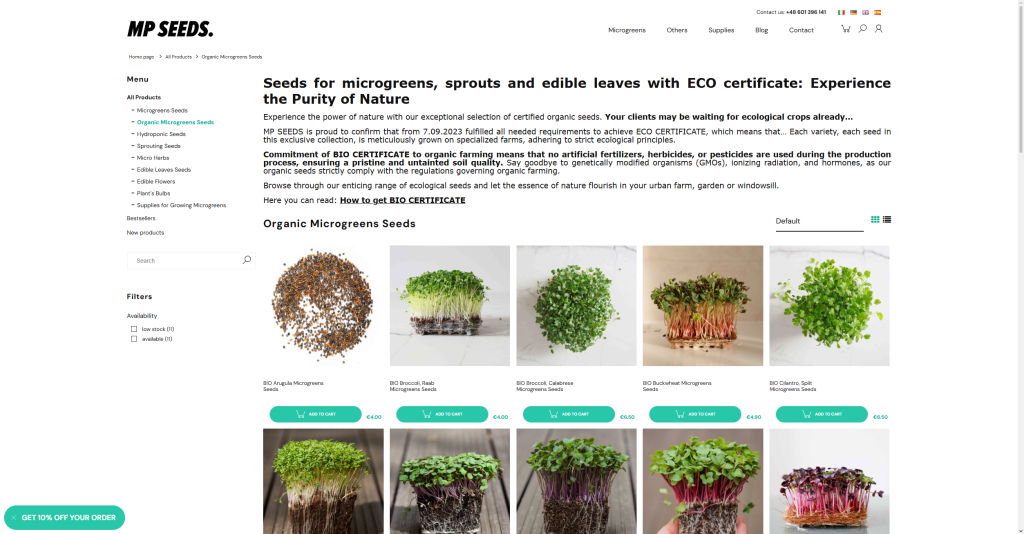
Grow pure, eat clean, live healthy. Discover our premium collection of Organic Microgreens Seeds at https://mpseeds.eu/organic-seeds and start your eco-friendly home garden today.
Organic farming system – control from soil to harvest
The next stage is seed production in certified organic conditions. Farmers avoid synthetic fertilizers and pesticides, relying instead on crop rotation, natural soil enrichment and biological plant protection methods. Key factors include:
- soil quality and structure,
- spatial isolation from conventional crops,
- continuous monitoring of plant health,
- harvesting at the optimal stage of seed maturity.
As a result, organic microgreens seeds are free from chemical residues, and their entire production chain remains traceable. This is particularly important for commercial microgreen growers supplying restaurants or retail chains.
Cleaning, sorting and quality testing
After harvest, seeds undergo a controlled processing stage. First, they are thoroughly cleaned to remove plant debris and damaged seeds. Then they are calibrated by size to ensure uniformity. Laboratory tests typically include:
- germination rate and vigor,
- microbiological purity,
- moisture content,
- compliance with organic certification standards.
For the end user, this translates into predictability. High-quality organic microgreens seeds germinate evenly, reduce the risk of mold and support the formation of a dense, uniform crop within just a few days.
Packaging and delivery to the grower
The final stage involves proper storage and packaging under controlled conditions. Seeds must be protected from light, humidity and temperature fluctuations. Packaging includes batch numbers and certification details, ensuring full product traceability. Stable storage conditions help maintain seed performance over time. Organic microgreens seeds retain strong germination energy when stored and transported correctly. This step, although often overlooked, has a direct impact on sowing success and overall crop quality.
Choose certified organic microgreens seeds and invest in quality
The journey from field to tray involves careful variety selection, certified cultivation, laboratory testing and responsible packaging. Each stage influences the final results in your growing system. If you want safe, consistent and high-quality production, choose reliable organic seeds. It is a conscious decision that supports healthy growth, uniform harvests and greater control over your entire microgreen cultivation process.