A restaurant inventory count is simple in principle: on a fixed day, at a fixed time, you physically count every food and beverage item you own, record it in the same units you buy it in, price it, and add it up. That closing number is what lets you calculate what you actually spent on food during the period, rather than what you think you spent.
Most counts go wrong on the details. The sheet is in a different order from the shelves, one person counts cases while another counts pounds, open containers get guessed, and prices are months out of date. Fix those four things and the number becomes something you can manage against.
The steps below work for a single dining room or a small group. No software is required, though a POS or inventory app will speed up the maths once your process is sound.
Key takeaways
- Count at the same time on the same day of every period, before deliveries arrive and after the last service.
- Lay out the count sheet in shelf-to-sheet order so the counter walks the room once, top to bottom, left to right.
- Record every item in one fixed unit, and count open containers in tenths rather than guessing.
- Value stock consistently, either by last price paid or first-in, first-out, and stick with the method you choose.
- Actual food cost is beginning inventory plus purchases, minus ending inventory, divided by food sales.
In this guide
- Pick a counting rhythm: weekly or monthly
- Build a count sheet that follows the shelves
- Run the count, step by step
- Put a dollar value on every line
- Turn the count into actual food cost
- Check variance and act on it
- FAQ
- Book your next count before you close the sheet
Pick a counting rhythm: weekly or monthly
How often you count depends on how fast your stock turns and how much margin you can afford to lose before you notice a problem. A monthly count lines up neatly with your accounting period and is the minimum for any operation that wants a real food cost number. A weekly count catches waste, theft and portioning drift while there is still time to fix it.
A practical middle ground many operators use: a full count at month end, plus a weekly count of the high-value categories only. Proteins, seafood, cheese, spirits and wine usually hold most of the dollars in a small number of lines, so counting them weekly gives you most of the warning for a fraction of the effort.
- Weekly full count: best for high-volume kitchens, tight margins or a new menu you are still costing.
- Weekly partial plus monthly full: the workable default for most independents.
- Monthly only: acceptable for low-volume or very stable menus, but problems surface late.
Whatever you choose, fix the time. Counting at close on Sunday night one week and before Tuesday lunch the next makes the numbers impossible to compare.
Build a count sheet that follows the shelves
The single biggest time saver is a count sheet that matches the physical layout of your storage. Walk the walk-in, the reach-ins, dry storage, the bar and the line, and list items in the order a person would meet them moving clockwise, top shelf to bottom. This is often called shelf-to-sheet order, and it stops people hunting down the page for an item.
What each line needs
- Item name exactly as it appears on the supplier invoice, so prices can be matched later.
- Count unit, such as case, each, pound, kilogram, bottle or #10 can. One unit per item, never two.
- Par level, the amount you want on hand after a delivery to get through to the next one.
- Current unit price, filled in before the count or immediately after.
- Count and extended value (count multiplied by unit price).
Par levels do double duty. During the count, anything far above par is a sign of over-ordering, and anything far below it is a prompt for the next order. Review pars at least each season, because a summer menu and a winter menu move stock at very different speeds.
Run the count, step by step
Treat the count as a short, focused job with two people and no distractions. One counts and calls out, the other writes or types. Swapping roles by section keeps both alert.
- Stop receiving. Schedule the count before the next delivery, or park any delivery that arrives mid-count until you finish.
- Tidy first. Spend ten minutes pushing like items together and turning labels to face out. It pays back in speed.
- Print or load a fresh sheet with last period’s count hidden, so nobody copies the old number.
- Count storage areas first, then the line and the bar, following the sheet from top to bottom.
- Count full units, then open ones. For an open case or container, estimate to the nearest tenth: a bottle two-thirds full is 0.7, a case with 9 of 24 cans left is 0.4.
- Weigh what you cannot eyeball. Keep a scale by the walk-in for bulk proteins and open bags.
- Count prepped items at ingredient cost. A tub of house dressing is recorded either as its own costed recipe line or by the main ingredients, but decide once and keep it that way.
- Leave out anything already expensed, such as cleaning supplies, unless you track them on a separate sheet.
- Initial each section when it is done, and have a manager spot-check five random lines before anyone goes home.
A count is only as good as its least careful line. Consistency beats speed every time.
Put a dollar value on every line
Once you have quantities, each line needs a price. There are two methods that suit most restaurants, and the important thing is choosing one and not switching back and forth.
Last price paid
You multiply each count by the most recent invoice price. It is fast, easy to maintain and close enough for weekly management reporting, especially when stock turns over in days.
First in, first out
Under the FIFO method described by the IRS, you assume the items you bought first are the first ones used, so the stock left on the shelf is valued at the most recent purchase prices. In a busy kitchen that already rotates stock oldest-first, this mirrors what physically happens. The same IRS publication also covers valuing at cost and at the lower of cost or market.
Your accountant should decide which method you use for tax purposes. For day-to-day food cost control, last price paid and FIFO usually land close together when stock moves quickly.
Turn the count into actual food cost
This is where the count earns its keep. The standard cost of food sold calculation works like this: beginning inventory, plus purchases (and any transfers in), minus transfers out, minus ending inventory, minus employee meals. Divide the result by food sales for the period to get your actual food cost percentage.
Here is a hypothetical month for a 60-seat bistro to show how the numbers flow.
| Line | Amount | Notes |
|---|---|---|
| Beginning inventory | $9,200 | Last month’s ending count |
| Plus purchases | $31,500 | All food invoices dated in the period |
| Minus ending inventory | $8,700 | Tonight’s count, valued |
| Minus employee meals | $600 | Tracked on a staff meal log |
| Cost of food sold | $31,400 | |
| Food sales | $98,000 | From the POS, food only |
| Actual food cost | 32.0% | $31,400 divided by $98,000 |
Two cautions. First, only include invoices for goods received in the period, not ones that merely arrived in the mail. Second, keep food and beverage separate. Mixing them hides problems in both.
Check variance and act on it
Actual food cost tells you what happened. Variance tells you why. Compare the actual percentage with your theoretical food cost, which is what the plates you sold should have cost if every recipe was followed exactly. Your POS product mix and costed recipes give you that figure.
- Gap under one point: normal. Keep counting and watch the trend.
- Gap of one to two points: look at portioning, waste logs and recent price increases.
- Gap above two points: count your top ten items by value again, check receiving against invoices and review comps and voids.
Line-level variance is even more useful. For your highest-value items, take last count plus received minus this count to get usage, then compare it with what sales say you should have used. A case of salmon that disappears without matching sales is a conversation to have this week. For the wider picture, see keeping food costs in check and the rest of our restaurant operations guides.
FAQ
How long should a restaurant inventory count take?
With a sheet in shelf order and two people, a small independent can usually finish in one to two hours. The first count takes longest; after that it gets faster.
Should the chef count the kitchen?
Pair the chef with a manager or have someone from another area count. A second person keeps the count honest and catches mistakes.
Do I count items in the freezer that I rarely use?
Yes. Everything you have paid for and not yet used is inventory. Slow-moving items are exactly the ones that tie up cash and get forgotten.
What about spirits and wine?
Count them on their own sheet, weekly if possible, measuring open bottles in tenths. Beverage cost is calculated separately from food cost.
Book your next count before you close the sheet
Before you file tonight’s numbers, pick the date and time of the next count and put it in the schedule with two names against it. Then rebuild any section of the sheet that slowed you down, update your pars for the season, and cost the ten highest-value lines against current invoices. If ordering is where the gaps show up, setting par levels that work is a good next read.
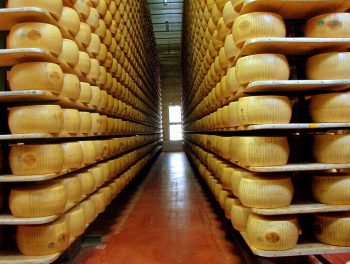
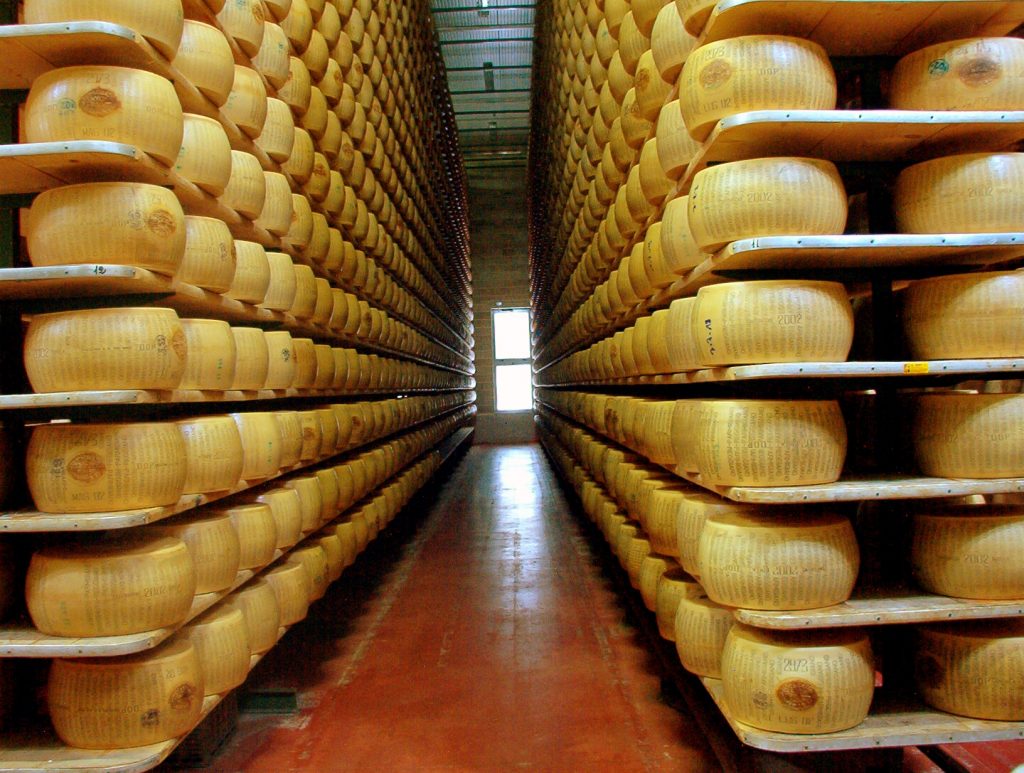
Featured photo: Parmigiano reggiano factory by Wikimedia Commons contributor, BY-SA 3.0.