Ever taken a bite of something delicious, followed it with a sip of wine, and felt like the whole dish suddenly tasted better? That’s not an accident. It’s what happens when food and wine are paired well, and once you understand the basics, you can recreate that feeling at your own table any night of the week.
A lot of people think wine pairing is something you only think about at a fancy restaurant with a sommelier hovering nearby. Honestly, that’s a myth. You don’t need a wine certification to pour something that works. You just need a few simple principles, a bit of curiosity, and a willingness to try things. This guide walks through all of it, from festive Champagne pairings to laid-back weeknight dinners.
Why Pairing Food and Wine Actually Makes a Difference
Every wine has its own personality: acidity, sweetness, tannin, body, fruitiness. Food has its own personality too: richness, saltiness, spice, acidity, texture. When you match the two thoughtfully, something interesting happens: neither one fights for attention. Instead, they lift each other.
That’s really the whole secret behind why chefs and sommeliers obsess over pairings. Get it right, and a simple roast chicken can taste more vibrant, a rich pasta can feel lighter, and a plain cheese plate can turn into the highlight of the night.
Food Pairing with Champagne: More Versatile Than You’d Think
Here’s a myth worth busting: Champagne isn’t just for toasts and New Year’s Eve. When it comes to food pairing with champagne, this sparkling wine is one of the most flexible options you can pour, thanks to its crisp acidity, fine bubbles, and clean finish.
Champagne works beautifully with:
Oysters and other fresh seafood
Fried chicken (yes, really — the contrast is fantastic)
Sushi and sashimi
Soft, creamy cheeses
Popcorn and potato chips (a surprisingly great match for movie night)
Brunch dishes like eggs Benedict
Light, delicate pasta
Those tiny bubbles do a lot of heavy lifting; they cut through richness, refresh your palate between bites, and let delicate seafood or brunch flavors really shine. It’s part of why Champagne is such an easy, no-fail choice whether you’re hosting a big celebration or just want something special with take-out.
Wine Pairings with Food: A Simple Way to Think About It
You don’t need a wine encyclopedia in your head to get good at wine pairings with food. The easiest starting point is matching weight — how light or heavy the dish feels compared to how light or heavy the wine feels.
Light, Fresh Dishes
For salads, grilled vegetables, white fish, chicken breast, or shrimp, reach for something crisp and light-bodied. Sauvignon Blanc, Pinot Grigio, or a dry Riesling all do the job well.
Rich, Creamy Meals
Buttery pasta, lobster, or anything drenched in cream sauce calls for a fuller white wine like Chardonnay. It has enough body and texture to stand up to the richness instead of getting lost in it.
Red Meat
Steak, lamb chops, burgers, and other grilled beef dishes pair naturally with Cabernet Sauvignon, Malbec, or Syrah. The protein and fat in the meat actually soften the wine’s tannins, so both end up tasting smoother.
Spicy Food
This one surprises people: slightly sweet wines like Riesling or Gewürztraminer are your best friend with spicy dishes. The touch of sweetness tames the heat without dulling the flavor.
Italian Wine and Food Pairing: The “What Grows Together, Goes Together” Rule
No one does regional pairing quite like Italy. The logic behind Italian wine and food pairing is refreshingly uncomplicated: wines and dishes from the same region were basically made for each other, because generations of local cooks and winemakers figured it out through trial and error long before anyone wrote it down.
A few classic combinations to try:
Chianti with tomato-based pasta
Pinot Grigio with seafood
Barolo with braised beef or other hearty meat dishes
Prosecco with appetizers and light seafood
Amarone with aged cheeses and roasted meats
Italian cooking leans on fresh ingredients and balanced flavors, so these traditional pairings tend to just work — no guesswork required.
Easy Pairing Tips Anyone Can Use
Keep these rules of thumb in your back pocket, and you’ll rarely go wrong:
Light food, light wine. Rich food, fuller-bodied wine.
Acidic wine loves acidic food (think tomato sauce or vinaigrette).
A touch of sweetness in the wine helps balance spice.
Salty snacks and sparkling wine are a classic combo for a reason.
Still not sure what to pour? Sparkling wine is almost always a safe bet.
Pairing Mistakes Worth Avoiding
Even people who love wine slip up sometimes. Watch out for these common missteps:
Pouring a delicate white wine with a heavily seasoned, bold steak
Choosing a big, tannic red with spicy food (the heat gets more intense, not less)
Serving a bone-dry wine with a sweet dessert — the wine will taste sour by comparison
Forgetting about acidity when pairing with tomato-based dishes
The goal is always balance. If either the food or the wine is drowning the other out, something needs to change.
Bringing Restaurant-Level Pairing Home
Restaurants put thought into every detail, from the ingredients on the plate to what’s in your glass and there’s no reason you can’t do the same at home. Offer your guests a couple of wine options, serve everything at the right temperature, and think about how the flavors on the table connect.
A simple tasting board with cheeses, cured meats, fresh fruit, nuts, and good bread is also a great way to let people discover their own favorite combinations without any pressure.
Final Thoughts
Great food and wine pairing isn’t about memorizing a rulebook; it’s about understanding balance and being willing to experiment. Whether that means popping Champagne with fried chicken, pouring a bold Cabernet alongside a steak, or leaning into classic Italian combinations, every pairing is a chance to make a meal a little more memorable.
Start simple, trust your own taste buds, and keep trying new combinations. The more you experiment, the more natural it becomes, and pretty soon, an ordinary dinner will start to feel like something worth savoring.
For more expert tips on restaurant trends, menu planning, and dining experiences, visit RestaurantWebExpert.com. Explore more guides to help elevate every meal and hospitality experience.
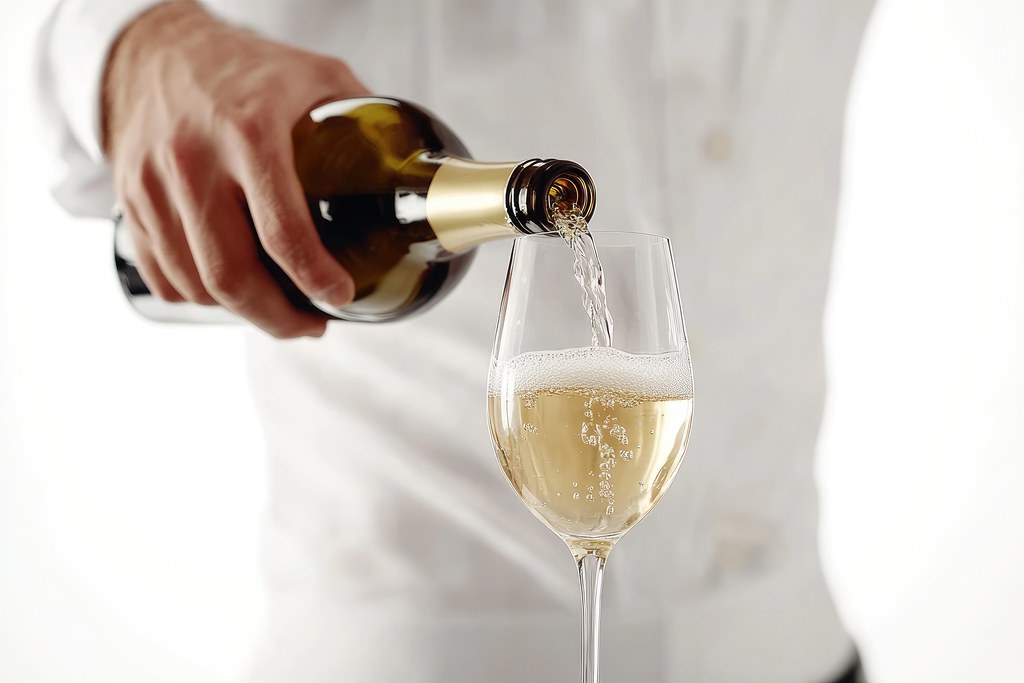
Featured photo: Weißwein wird in ein Glas eingeschenkt by ccnull.de Bilddatenbank, BY 2.0.