For Thanksgiving restaurant service, the right format depends on your kitchen, your dining room and your guests. A buffet serves the most people with the fewest servers but carries the most waste risk. A prix fixe menu gives the tightest control over food cost and timing. Family style sits between them, with a warm, shared feel and simpler plating, but it needs generous portions and careful refills.
None of the three is best for everyone. The comparison below looks at the factors that decide the day: labour, food cost control, waste, guest experience, seating turns, pricing approach and kitchen load. It deliberately avoids industry averages, because your numbers matter more than anyone else’s.
Use it to pick one format and commit to it early. Changing your mind in mid-November is how kitchens end up ordering for two plans.
Key takeaways
- Buffet: fewest servers per guest and simple kitchen timing, but the highest waste and holding risk.
- Prix fixe: tightest food cost and pacing control, with the heaviest plating load on the line.
- Family style: shared, generous feel with lighter plating, but portions and refills are hard to predict.
- Price from your own plate cost and labour plan, not from a competitor’s ad.
- Whatever the format, turkey must reach 165°F and held food must stay out of the danger zone.
The three formats in brief
Buffet
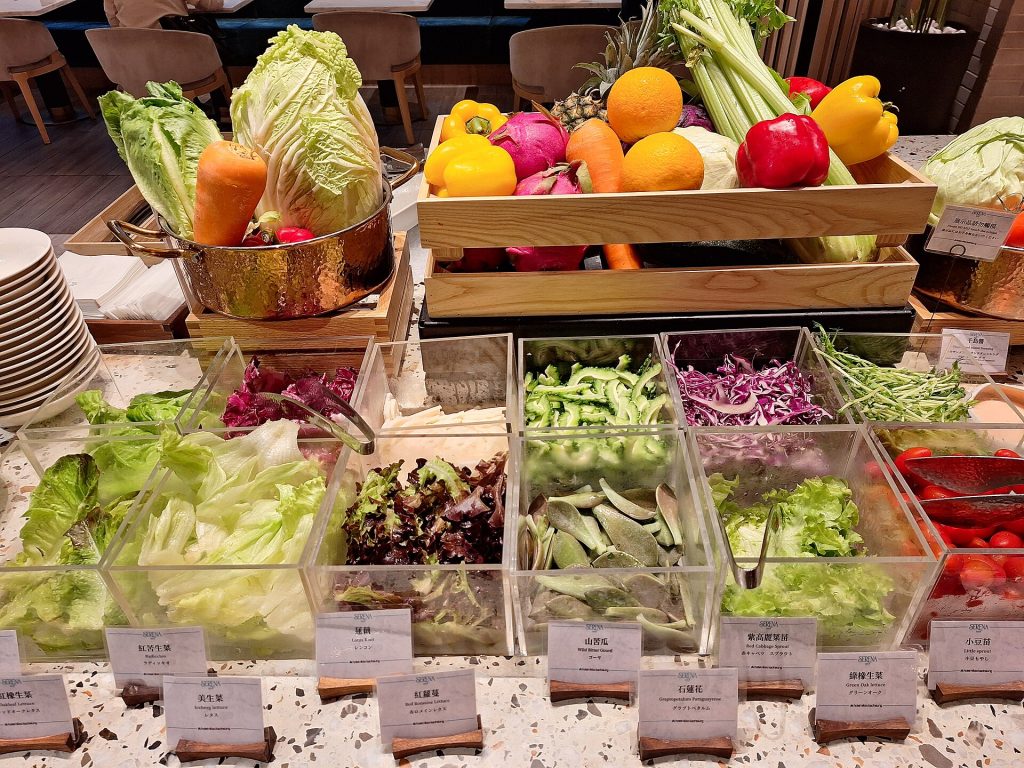
Guests serve themselves from a line of hot and cold dishes, usually with a carving station for the turkey. The kitchen produces in batches and replenishes pans, and the floor team focuses on drinks, clearing and resetting tables.
Prix fixe
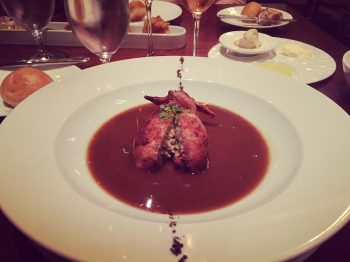
Guests order from a set menu, often three courses with a small choice at each. Every plate is portioned and plated in the kitchen, so the experience looks like a normal service with a fixed menu.
Family style
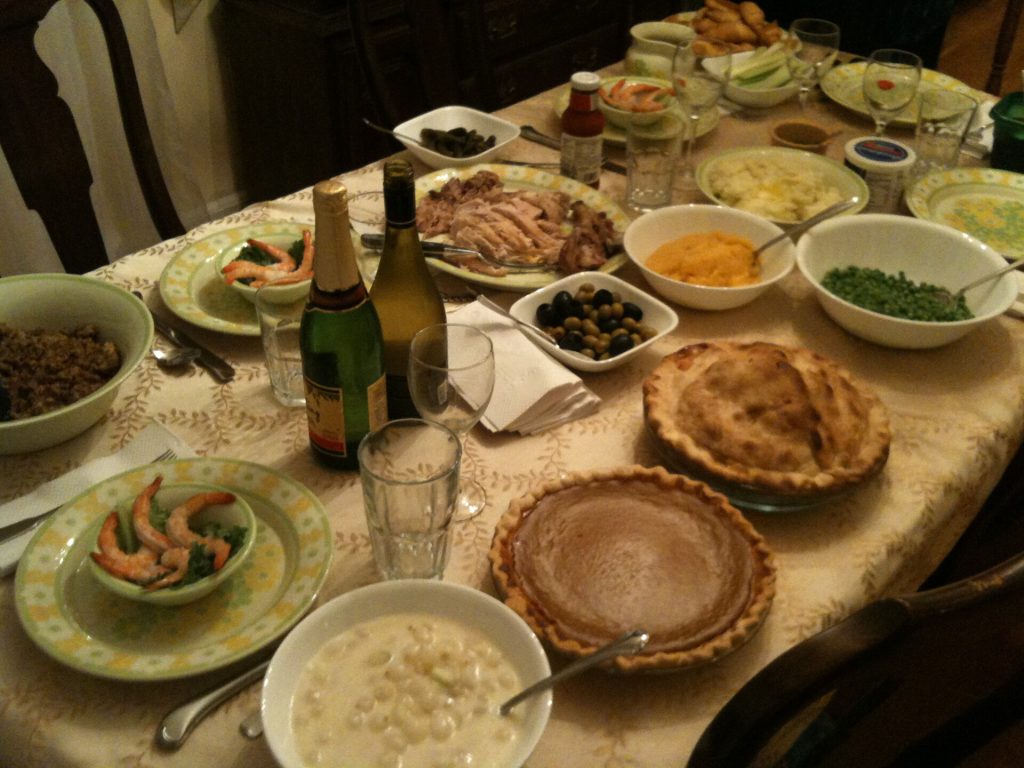
Each table gets shared platters and bowls: a carved turkey platter, sides and gravy, followed by dessert. Servers bring refills on request. It feels like a home dinner without anyone doing the washing up.
Side-by-side comparison
This is the at-a-glance view. The ratings are relative to each other, not fixed benchmarks.
| Factor | Buffet | Prix fixe | Family style |
|---|---|---|---|
| Front-of-house labour | Lowest: fewer servers, more bussers | Highest: full table service | Medium: platter drops and refills |
| Kitchen load | Steady batch cooking and replenishment | Heaviest: individual plating on the line | Medium: large platters, fewer plates |
| Food cost control | Weakest: guests control portions | Strongest: every portion is set | Medium: platter sizes set, refills vary |
| Waste risk | Highest: food held out and discarded | Lowest: cook to covers | Medium: part-eaten platters |
| Food safety focus | Holding temperatures and time on the line | Standard line controls | Holding refills and platter temperatures |
| Guest experience | Choice and abundance, less service | Polished, paced, restaurant feel | Warm, shared, homely |
| Seating turns | Flexible, guests set their own pace | Most predictable | Longer, tables linger |
| Pricing approach | Flat per-person price, often with a child price | Per-person set price, add-ons for extras | Per-person price with a table minimum |
| Allergy handling | Hardest: shared utensils and labels | Easiest: plate-by-plate control | Moderate: separate platters needed |
Labour and kitchen load
Labour and kitchen load pull in opposite directions, so look at them together.
- Buffet: you can run the floor with fewer servers, but you need people on the line to replenish pans, carve and wipe down. The kitchen works in waves and can prepare much of the food ahead.
- Prix fixe: the floor needs its normal complement, and the line needs enough cooks to plate every course cleanly for every seat. Pre-portioned mise en place is essential.
- Family style: fewer plates leave the pass, but each platter needs care, and refills arrive unpredictably. Assign one cook to refills so they never hold up new tables.
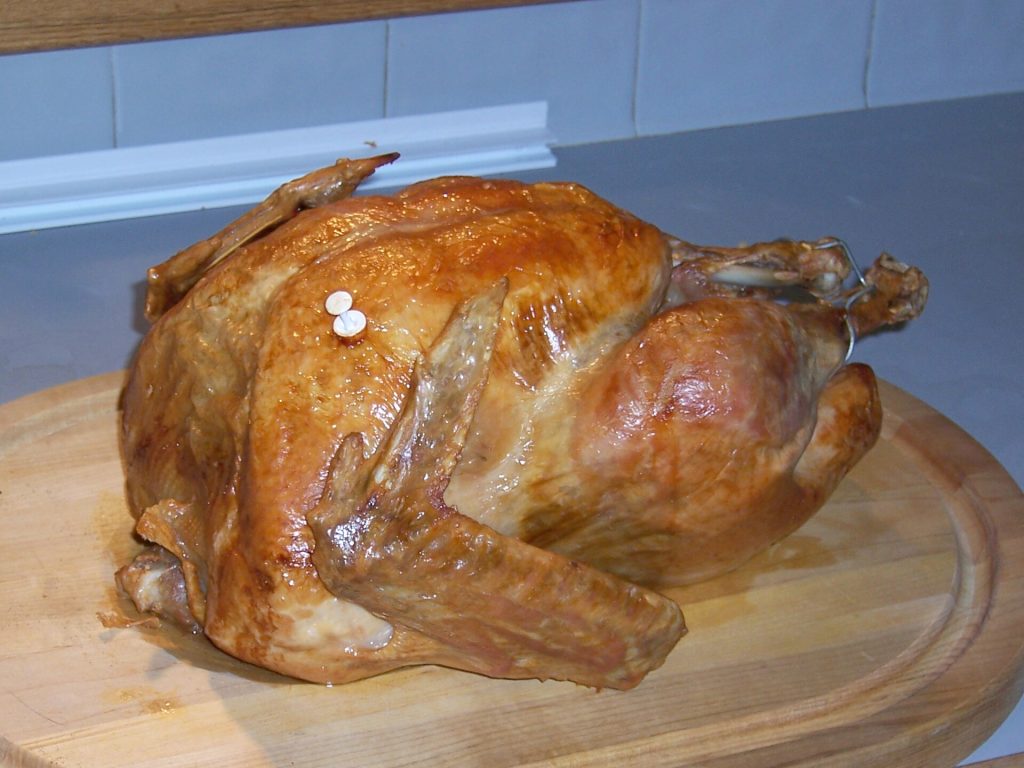
The turkey drives the kitchen timeline whatever you choose. The USDA’s turkey roasting guidance says a whole turkey is safe once it reaches a minimum internal temperature of 165°F, checked in the innermost thigh, the wing and the thickest part of the breast, and suggests resting it for 20 minutes before carving. It also advises against stuffing the bird for optimum safety; cooking the stuffing separately in a pan also makes portioning easier.
Pick the format your kitchen can execute on its busiest day, not the one that looks best in the ad.
Food cost control and waste
Food cost and waste come from the same place: how well you can predict what guests will eat.
Buffet
You are cooking for appetite rather than orders. Smaller pans replaced often help, and so does putting lower-cost sides first in the line. Food that has been on the line cannot go back into stock, so over-production turns straight into waste.
Prix fixe
You know the covers and the portions, so purchasing is close to exact. The main waste risk is menu choice: offer too many options at each course and you prep for all of them.
Family style
Set a platter size per number of guests and train servers on refill rules. Part-eaten platters cannot be served again, so refills should be smaller than the first drop.
For anything left over that has stayed safe in the kitchen, the EPA’s Wasted Food Scale ranks preventing waste first, then donating wholesome food, ahead of composting and landfill. Planning portions carefully does more good than any disposal choice. Our guide to cutting kitchen food waste has more ideas.
Guest experience, seating turns and pricing
Guest experience
Buffet guests value choice and abundance, and families with young children often like being able to eat at their own speed. Prix fixe guests expect a polished, paced meal. Family style suits groups who want the feel of a home dinner with none of the cooking.
Seating turns
Prix fixe gives you the most predictable table times, which makes it easier to sell two or three seatings. Buffet turns are flexible but less predictable. Family style tables tend to linger, so plan fewer seatings with longer slots.
Pricing approach
- Start from your own plate cost per guest, including the turkey, sides, dessert, bread and any complimentary items.
- Add the extra labour for the day, including holiday pay where it applies.
- Decide whether drinks are included or sold separately.
- Set child pricing and any table minimum clearly on the booking page.
- Take deposits or prepayment for large tables to protect against no-shows.
Whatever the format, ask about allergies at booking. The FDA recognises nine major food allergens, and shared dishes make cross-contact harder to control. On a buffet, label every dish and give each its own utensil.
Which format suits which concept
Match the format to what you already do well.
- Casual, high-volume or family restaurants with large rooms: a buffet can serve the most guests with the least table service, provided you can hold hot food at 135°F or above and cold food at 41°F or below, as health codes such as DC Health’s holding rules require.
- Fine dining and chef-driven restaurants: prix fixe keeps the experience in line with your usual standard and gives you the tightest cost control.
- Neighbourhood bistros, trattorias and group-friendly spaces: family style fits a warm, shared room with large tables.
- Small kitchens with limited line space: family style or a short prix fixe usually beats a buffet that needs extensive holding equipment.
Whatever you choose, make sure guests can find you. List your holiday service in our restaurant directory, and browse more planning ideas in our food and dining guides, including planning a holiday menu.
FAQ
Which Thanksgiving format is most profitable?
It depends on your costs and your room. Prix fixe gives the tightest control, but a buffet can serve more guests per server. Cost each option with your own numbers before deciding.
How do I reduce waste on a Thanksgiving buffet?
Use smaller pans replaced often, put lower-cost items first, and cook in waves based on reservations rather than filling the line at the start.
Can I offer both a buffet and a prix fixe menu?
It is possible in separate rooms or seatings, but running two formats doubles your prep planning. Most kitchens do better committing to one.
What temperature does the turkey need to reach?
USDA guidance is a minimum internal temperature of 165°F, checked in the thigh, wing and thickest part of the breast.
Make your call this week
Sit down with your chef and floor manager this week and score each format against your own kitchen, room and guests using the table above. Choose one, cost a sample menu at your target price, and open reservations with the format, price and allergy question clearly stated. An early, clear decision gives you time to order, schedule and train.
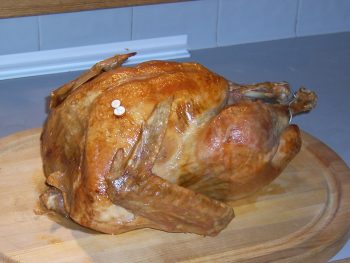
Featured photo: Thanksgiving Turkey by Patrick Fitzgerald from Atlanta, GA, USA, BY 2.0.