There are only a handful of safe thawing methods in a commercial kitchen: in the walk-in or reach-in at 41°F or below, fully submerged under running water at 70°F or below, in the microwave with cooking straight after, or as part of the cooking process itself. Leaving product on the counter or in a sink of hot water is not on the list, no matter how busy the line gets.
Most thawing mistakes come from habits that feel harmless. A tray of chicken left out “just for an hour”, a stockpot of warm water to rescue a forgotten order, a rule of thumb that thawed food can never go back in the freezer. Each one has a kernel of logic, which is why it spreads.
Here are six myths kitchen staff commonly believe, taken one at a time, with what the rules and public-health guidance actually say.
Key takeaways
- Food Code thawing methods: refrigeration at 41°F or below, running water at 70°F or below, microwave then cook, or as part of cooking.
- FDA says never thaw food at room temperature, such as on the counter top.
- Hot water thaws the outside long before the centre, letting bacteria grow on the surface.
- Food thawed in the refrigerator can be refrozen without cooking, though quality may drop.
- Microwave- and cold-water-thawed food should be cooked immediately.
The four approved methods
Many states base their retail food rules on the FDA Food Code, and its thawing section is short. Washington’s version, which adopts Food Code section 3-501.13, allows time/temperature control for safety food to be thawed:
- Under refrigeration that keeps the food at 41°F (5°C) or less.
- Completely submerged under running water at 70°F (21°C) or below, with enough flow to carry off loose particles. Thawed ready-to-eat food can’t rise above 41°F, and raw animal food can’t sit above 41°F for more than four hours in total.
- As part of cooking, including microwave thawing when the food moves straight to conventional cooking.
- Any method when thawing frozen ready-to-eat food for immediate service against a specific customer order.
Everything else is improvisation. Keep the list posted near the walk-in and make sure every new hire can recite it.
Myths about speed
Myth 1: Countertop thawing is fine if you cook it properly afterwards
This is the most common one, and the FDA’s safe food handling guidance is blunt: never thaw food at room temperature, such as on the counter top. The outside of a block of protein warms into the danger zone hours before the middle softens, and bacteria multiply on that surface the whole time.
The habit usually starts with a late pull: the walk-in thaw wasn’t planned, service is in two hours, and the counter looks like the only option. “We cook it hot” is not a thawing method, and the fix is planning, not a shortcut.
Why the counter feels safe
Frozen product feels cold to the touch long after its outer layer has warmed. Staff judge by the hard centre, not the soft surface, and that is exactly the part of the food where the problem starts. A probe thermometer on the surface layer tells a different story than a squeeze of the package.
Myth 2: Hot water is just a faster version of the cold-water method
It isn’t. Iowa State University Extension’s quick-thaw guidance warns against both counter and hot-water thawing because they let bacteria grow on the surface before the interior defrosts. The Food Code sets a ceiling of 70°F for running water for exactly that reason.
If the method thaws the outside faster than the inside, it is feeding bacteria, not saving time.
Myths about the rules
Myth 3: A sink full of cold water works the same as running water
A still sink warms up to kitchen temperature and becomes a soak for whatever drips off the packaging. The Food Code method is specific: completely submerged, under running water, at 70°F or below, with enough flow to wash loose particles away.
For home cooks, Iowa State’s guidance says to seal food in a leak-proof bag, submerge it in cold water and change the water every 30 minutes. In a commercial kitchen, stick to your code’s running-water standard and use a clean, sanitized prep sink that isn’t needed for anything else.
Myth 4: Once it’s thawed in the microwave, it can go back in the walk-in
Microwave thawing only counts when cooking follows immediately. The FDA says food thawed in cold water or in the microwave should be cooked immediately, because parts of it may already have started to cook or warmed into the danger zone. Microwave thawing belongs to à la minute cooking, not to batch prep for later.
The same logic applies to cold-water thawing at home: FDA pairs both quick methods with immediate cooking. In a restaurant, if a product was thawed under running water, move it straight to the line or into the walk-in at 41°F or below, and respect the four-hour limit for raw animal food above 41°F.
Myths about refreezing and cooking from frozen
Myth 5: You can never refreeze food that has been thawed
This one is too strict. According to the USDA advice summarised by University of Nebraska–Lincoln Extension, food thawed in the refrigerator can be refrozen without cooking, although there may be a loss of quality. Raw food that was frozen, then cooked, can also be frozen safely.
The limit is time out of refrigeration. The same guidance says not to refreeze food left outside the refrigerator for longer than 2 hours, or 1 hour above 90°F. The real kitchen issue is usually quality: texture suffers each time, so plan pulls carefully rather than relying on refreezing.
Myth 6: Frozen food always has to be fully thawed before it’s cooked
The Food Code lists thawing as part of the cooking process as an approved method. Plenty of frozen products are designed to go from freezer to fryer, oven or griddle. The catch is that cooking times rise and thick items need a thermometer check at the centre, not just a glance at the crust.
Six myths at a glance
| Myth | Fact |
|---|---|
| Counter thawing is fine if you cook it well | FDA says never thaw food at room temperature |
| Hot water is a faster cold-water thaw | Surface bacteria grow before the centre thaws; running water must be 70°F or below |
| A still sink of cold water is the same as running water | The Food Code requires full submersion under running water |
| Microwave-thawed food can wait in the walk-in | Cook it immediately after microwave thawing |
| Thawed food can never be refrozen | Refrigerator-thawed food can be refrozen, with some quality loss |
| Food must be fully thawed before cooking | Thawing as part of cooking is an approved method |
Pair this table with your safe cooling procedures so the whole cold-holding chain is covered in one training session. For more, browse our food safety guides.
FAQ
How long does it take to thaw food in the refrigerator?
Iowa State Extension suggests allowing 24 hours for every 5 pounds of meat when thawing in the refrigerator. Build that lead time into your prep list.
What temperature should running water be for thawing?
The Food Code standard is 70°F (21°C) or below, with the food completely submerged and enough flow to carry away loose particles.
Can I leave food thawing overnight on the counter?
No. FDA guidance says never thaw food at room temperature. Move it to the walk-in instead and plan the pull a day earlier.
Is it safe to refreeze meat thawed in the walk-in?
Yes, if it stayed refrigerated. USDA advice says refrigerator-thawed food can be refrozen without cooking, though quality may decline.
Put it on the prep sheet
The easiest fix is procedural. Add a “pull for thaw” column to your prep sheet with the date and time each item leaves the freezer, so product goes into the walk-in a day or more ahead instead of onto a counter at 4pm. Then run a five-minute stand-up on these six myths this week, and back it up with a well-built prep list that makes the safe method the easy one.
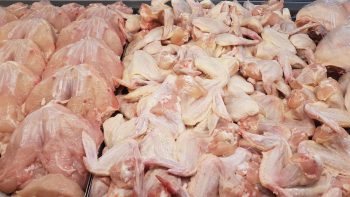
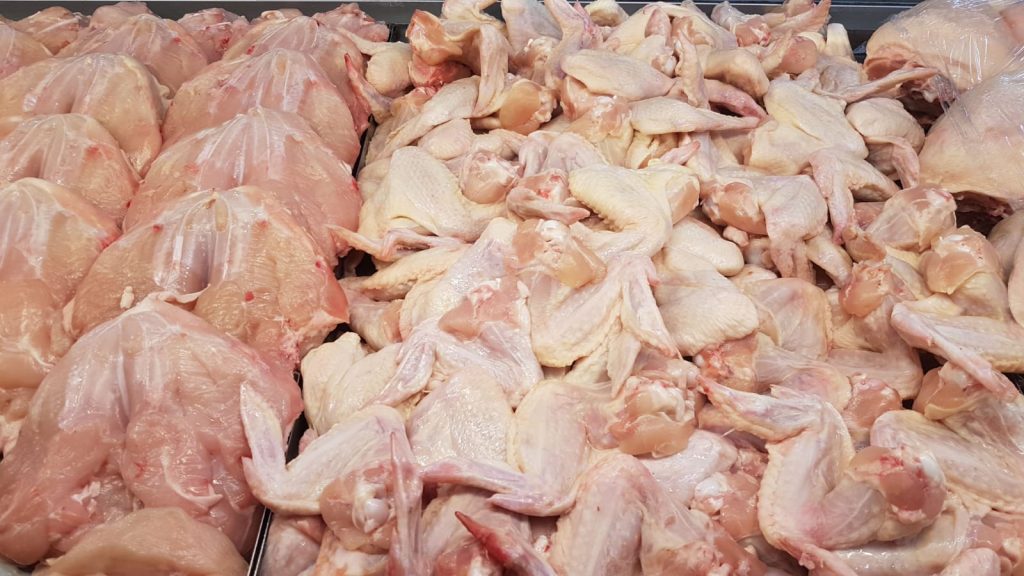
Featured photo: Chicken breasts and wing quarters by Harald the Bard, CC0.