Norovirus in restaurants is not a rare event or somebody else’s problem. The CDC calls it the leading cause of foodborne illness outbreaks in the United States, and infected food workers handling ready-to-eat food with bare hands are a frequent source. The fixes are specific: wash hands with soap and water rather than relying on sanitizer, keep sick staff home for at least 48 hours after symptoms stop, and clean up vomit with a strong bleach solution.
A lot of kitchen folklore gets in the way of those fixes. Some of it sounds sensible, which is exactly why it survives.
Below are six common myths, each checked against CDC guidance and the FDA Food Code as adopted by states, with what to do instead.
Key takeaways
- CDC says norovirus causes about half of all foodborne illness outbreaks and around 2,500 reported outbreaks a year in the US.
- Hand sanitizer does not work well against norovirus; wash with soap and water for at least 20 seconds.
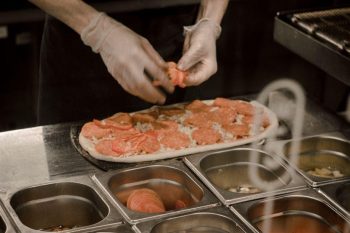
- Food workers should avoid bare-hand contact with ready-to-eat food and use gloves or utensils.
- CDC advises food workers to stay home for at least 48 hours after symptoms stop.
- Clean vomit and diarrhea with 1,000 to 5,000 ppm chlorine bleach and leave it on for at least 5 minutes.
| Myth | Fact |
|---|---|
| Norovirus is mostly a cruise ship problem | It is the leading cause of US foodborne illness outbreaks; cruise ships are about 1% of cases |
| Hand sanitizer is enough | Sanitizer does not work well against norovirus; soap and water is the primary defence |
| Clean hands make bare-hand contact safe | Use gloves or utensils for ready-to-eat food |
| Staff can come back once they feel better | CDC advises at least 48 hours after symptoms stop |
| Your usual sanitizer handles a vomit cleanup | Use 1,000 to 5,000 ppm bleach or an EPA-registered product, with 5 minutes of contact |
| A quick steam makes shellfish safe | Norovirus can survive 145°F; cook shellfish thoroughly |
Myth 1: Norovirus is mostly a cruise ship problem
Cruise ships get the headlines, but the CDC outbreak basics page puts them at only about 1% of norovirus cases. It estimates about 2,500 reported norovirus outbreaks each year in the United States, and says norovirus is the leading cause of foodborne illness outbreaks, responsible for about half of them.
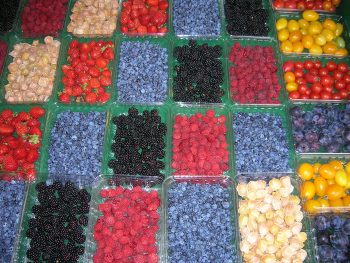
CDC names infected food workers as a frequent source, typically when they touch ready-to-eat food with bare hands just before it is served. It also lists leafy greens, fresh fruit and shellfish, especially oysters, as foods commonly involved. Outbreaks happen all year, but they peak between November and April, so winter is when your guard needs to be highest.
What this means for you
Treat norovirus as a standard operating risk, like temperature control, not as an unlikely emergency. That means written policies, trained staff and a cleanup kit ready before anyone gets sick.
Myth 2: Hand sanitizer is enough
This is the most expensive myth in the list. CDC’s prevention guidance states plainly that hand sanitizer does not work well against norovirus. Its fact sheet for food workers says alcohol-based sanitizers can be used in addition to handwashing but should not be used as a substitute for washing with soap and water.
- Wash with soap and water for at least 20 seconds, as CDC recommends.
- Put handwashing stations where staff actually work, stocked and unblocked.
- Keep sanitizer dispensers for guests and as an extra step, not as the kitchen’s main hand hygiene.
- Make the rule visible: signs at every sink, and managers who wash in front of the team.
A bottle of sanitizer on the pass is not a handwashing policy.
Myth 3: Clean hands make bare-hand contact safe
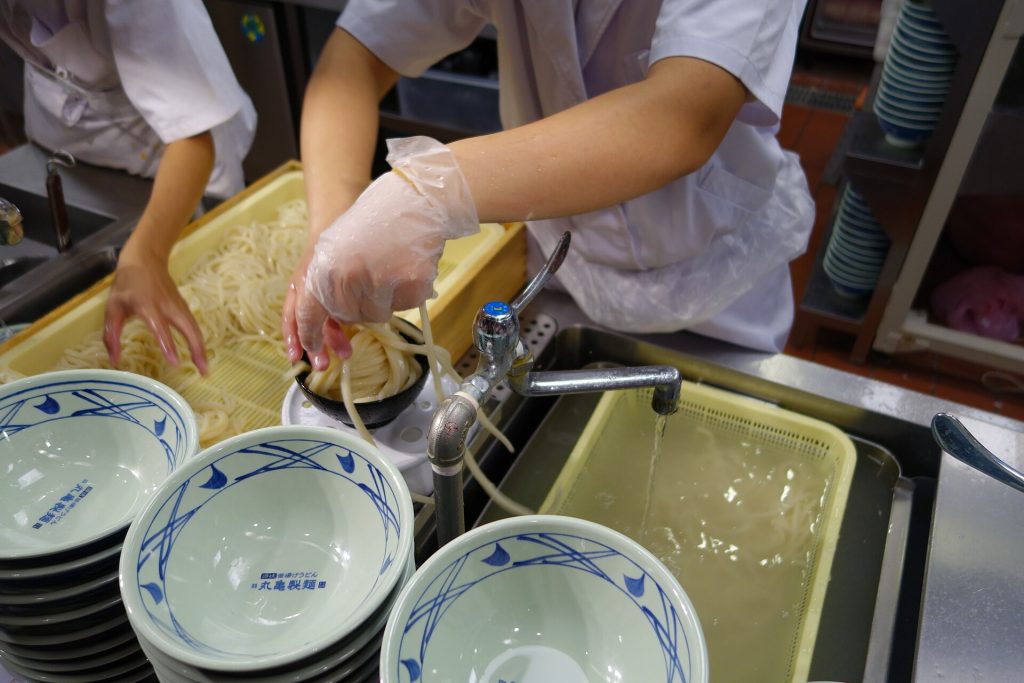
Even a good handwash can miss something, and the stakes are high. CDC’s norovirus fact sheet for food workers notes that infected people can shed billions of norovirus particles in their stool or vomit, and says food workers should avoid touching food, especially ready-to-eat food, with bare hands, using gloves or tongs instead.
Where bare hands slip in
- Garnishing plates at the pass: herbs, lemon wedges, microgreens.
- Building salads, sandwiches and cold desserts.
- Portioning bread, cut fruit and ice.
- Plating sushi, crudo and raw bar items.
Stock gloves, tongs, deli tissue and scoops at each of those stations, and teach staff to change gloves when switching tasks. Gloves are an extra barrier, not a replacement for washing hands before putting them on.
Myth 4: Staff can come back once they feel better
A cook who stops vomiting on Monday night often feels ready for Tuesday’s shift. The virus has not finished with them. CDC’s food worker guidance says staff should stay home when sick and for at least 48 hours after symptoms stop, and notes that people are most contagious while ill and during the first few days after they feel better. The prevention page adds that the virus can stay in stool for two weeks or more.
What the Food Code says
The FDA Food Code, as adopted into state law, sets exclusion and reinstatement rules. In Delaware’s adoption of section 2-201.13, a worker excluded for vomiting or diarrhea can generally be reinstated after being symptom-free for at least 24 hours. For a worker diagnosed with norovirus, reinstatement requires the regulatory authority’s approval plus either medical documentation or more than 48 hours without symptoms. Your own state or county rules may differ, so check them.
- Write the CDC’s 48-hour guidance into your sick policy as the minimum for any vomiting or diarrhea.
- Require staff to report symptoms before a shift, not after it.
- Plan cover in advance, so managers are not tempted to call someone back early.
Our guide to handling sick employees covers staffing and scheduling in more detail.
Myth 5: Your usual sanitizer handles a vomit cleanup
The chlorine in your sanitizer bucket is mixed for routine food-contact surfaces, not for a vomiting incident. For cleanup after vomiting or diarrhea, CDC recommends a chlorine bleach solution of 1,000 to 5,000 ppm, which it describes as 5 to 25 tablespoons of household bleach at 5% to 8% per gallon of water, or an EPA-registered disinfectant. It says to leave the bleach solution on the area for at least 5 minutes.
Build a cleanup kit now
- Clear the area of guests and staff, and stop food prep nearby.
- Put on disposable gloves, and add a gown and mask if your plan calls for them.
- Soak up and remove the material with disposable towels, and bag it.
- Apply the bleach solution or EPA-registered product and leave it for the full contact time.
- Throw out any exposed food, and clean and sanitize nearby food-contact surfaces.
- Wash hands with soap and water, and record the incident.
For contaminated linens and uniforms, CDC advises washing with detergent and hot water on the longest available cycle, then machine drying at the highest heat setting.
Myth 6: A quick steam makes shellfish safe
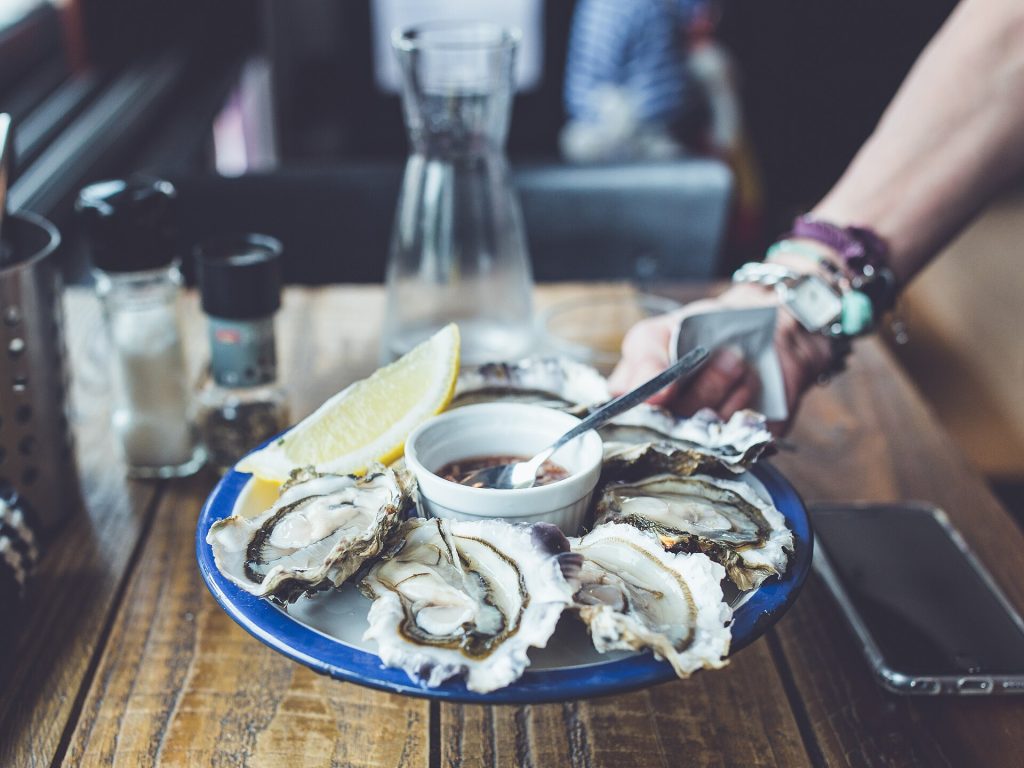
Oysters and other shellfish are among the foods CDC links to outbreaks, and heat is less forgiving than many cooks assume. CDC’s fact sheet notes that noroviruses can survive temperatures as high as 145°F, and its prevention guidance warns that quick steaming processes will not heat foods enough to kill them.
- Cook shellfish thoroughly; CDC’s prevention page says to an internal temperature of at least 145°F.
- Buy shellfish only from approved sources and keep the tags as your code requires.
- Include the consumer advisory your jurisdiction requires when serving raw or undercooked shellfish.
- Wash fruit and vegetables carefully, since leafy greens and fresh fruit also feature in outbreaks.
FAQ
How long should a food worker stay home with norovirus?
CDC advises staying home while sick and for at least 48 hours after symptoms stop. Local Food Code rules may add conditions, such as approval from the health department.
Does hand sanitizer kill norovirus?
CDC says hand sanitizer does not work well against norovirus. Use it only in addition to washing with soap and water.
What bleach strength cleans up norovirus?
CDC recommends 1,000 to 5,000 ppm chlorine bleach, or an EPA-registered disinfectant, with at least 5 minutes of contact.
When is norovirus season?
Outbreaks happen all year but peak between November and April, according to CDC.
Write your norovirus plan before you need it
This week, put three things in writing: a sick policy that keeps anyone with vomiting or diarrhea home for at least 48 hours after symptoms end, a no-bare-hand rule for every ready-to-eat station, and a labelled cleanup kit with bleach and mixing instructions. Train every shift on all three before November. For more practical advice, see our food safety guides and our walkthrough on proper handwashing.
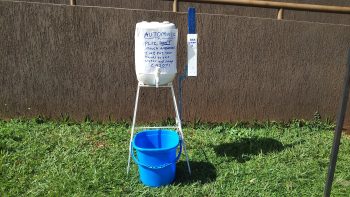
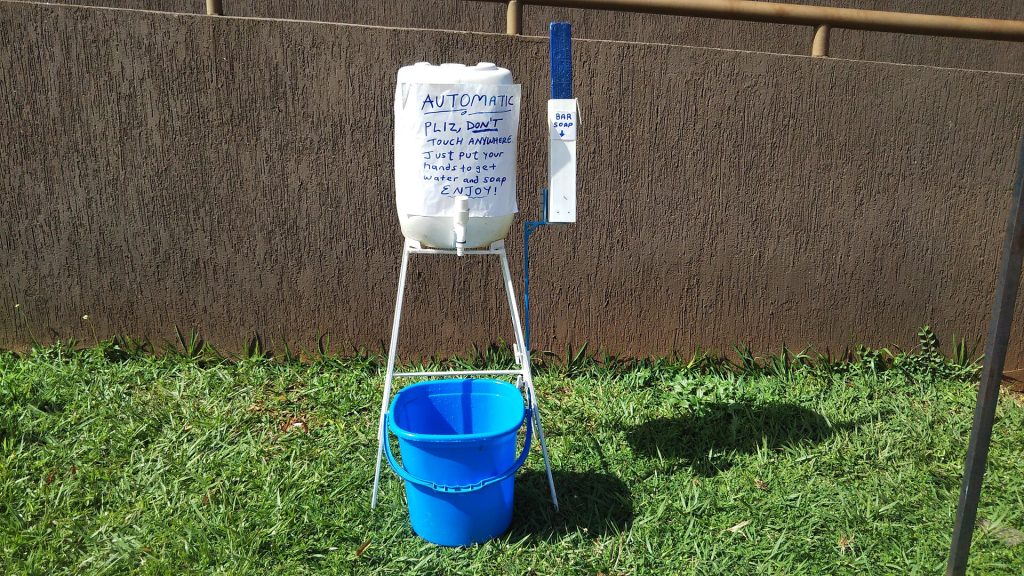
Featured photo: A touchless handwashing tap and solid bar soap dispenser kit by Wabyona Bingi, BY-SA 4.0.