A restaurant press release gets picked up when it gives a local editor a real story in the first paragraph, arrives with good photos and a named contact, and lands with the right reporter at the right time. Most releases fail on the first point: they read like an advert.
The fix is structure and discipline. Know what counts as news, write a headline a reporter could reuse, put the who, what, when, where and why up top, and keep it short.
Here is the process, step by step, with a fill-in template for the owner’s quote.
Key takeaways
- Send a release for genuine news: an opening, a new chef, a major menu change, a charity event or a milestone.
- The SBA advises keeping the headline to 100 characters or less and the release to one or two pages.
- Put the five Ws in the first paragraph. Many readers stop there.
- Write the owner’s quote in the owner’s own words. Never invent quotes or attribute words to anyone who did not say them.
- Send to named reporters with a short personal note, include photos, and follow up once.
Step 1: Decide whether you have news
Editors get far more pitches than they can use. Before you write anything, ask whether a stranger in your town would care. If the honest answer is no, post it on your own channels instead and save the press release for something bigger.
| Occasion | Worth a release? | Angle that helps |
|---|---|---|
| Opening a new restaurant | Yes | Who is behind it, what gap it fills, opening date |
| Hiring a new head chef | Yes, if the chef has a local following or strong background | What changes on the menu and why |
| New seasonal menu | Sometimes | A local ingredient, a supplier story or a first for the area |
| Charity dinner or fundraiser | Yes | The cause, the amount you aim to raise, how the public can join |
| Anniversary or milestone | Yes, for round numbers | History, long-serving staff, loyal regulars |
| Weekly specials | No | Use social media and your email list |
Step 2: Write the headline and first paragraph
The Small Business Administration recommends a headline of 100 characters or less so it displays fully in search results and social feeds. Make it plain and specific. A pattern like “[Restaurant name] Opens Second Location in [Neighbourhood] on [Date]” tells an editor exactly what the story is.
- At the top, write For immediate release, or the embargo date and time if the news cannot run yet.
- Write the headline: who, what, and a date or place if it fits.
- Add an optional one-line subhead with the most interesting detail.
- Start the first paragraph with a dateline: city, state and date.
- Answer who, what, when, where and why in that first paragraph, and name the restaurant.
Purdue OWL makes the same point about format: say clearly whether the release is for immediate publication or under embargo, and remember that a press release is not an advertisement.
Step 3: Build the body, quotes and boilerplate
The second and third paragraphs add context in descending order of importance. A reporter trimming for space cuts from the bottom, so the least important detail goes last.
The owner’s quote
A quote should add opinion or feeling that the facts cannot. It should sound like a person talking, not a mission statement. Use a placeholder while you draft, then have the owner say it out loud and write down what they actually say:
- “[One sentence on why you are doing this, in your own words],” said [Owner name], owner of [Restaurant name]. “[One sentence on what guests will notice or feel].”
- Keep it to two or three sentences.
- Only quote people who said those words and approved them. A quote attributed to a chef, partner or charity needs their sign-off.
Call to action and boilerplate
End with what readers can do: book, attend, donate. Then add a short boilerplate, one paragraph about the restaurant with its name, location, when it opened and what it serves, followed by a media contact. The SBA suggests listing a spokesperson with several ways to reach them, such as phone and email.
Keep the whole thing tight. Purdue OWL advises getting the point across in under a page where possible, and notes that more than two pages will likely read as an article rather than a release.
If a reporter cannot find the story in your first paragraph, they will not look for it in your fourth.
Step 4: Prepare photos and a media kit
Food stories live or die on pictures. Many smaller outlets will not send a photographer, so the images you supply are often the ones that run.
- Supply three to five high-resolution images: the signature dish, the dining room, the exterior and the owner or chef.
- Shoot in natural light and avoid heavy filters.
- Give each file a descriptive name and add a caption and photo credit in the email.
- Share images through a download link rather than large attachments.
- Add a “Notes to editors” line saying what else is available, such as interviews or a tasting.
Step 5: Build a media list, send and follow up
Who to send it to
A short list of the right people beats a blast to hundreds of addresses. Build it by reading, not by buying a database.
- List every outlet that covers your area: daily and weekly papers, city magazines, local TV and radio, neighbourhood newsletters and local food writers.
- Read their recent food and business coverage and note the reporter who wrote each piece.
- Record name, outlet, beat, email and the last story they wrote that relates to yours.
- Check each outlet’s contact page for a news tip address or submission form.
- Update the list every few months. Reporters change beats often.
Timing, sending and follow-up
Give reporters enough lead time. Monthly magazines plan well ahead, while daily outlets and TV work closer to the date. Send openings and events a couple of weeks before they happen, and earlier for print magazines.
- Email each reporter individually with a two- or three-line note on why the story suits their coverage.
- Paste the release into the body of the email as well as linking it, so they do not have to open an attachment.
- Offer something useful: an interview, a first look or a tasting before opening.
- Follow up once, a few days later, with a short, polite note. Then stop.
- When a story runs, thank the reporter and share it on your channels.
Coverage is only half the win. Make sure your website and listings are ready for the traffic. Our guide to improving your restaurant website covers the basics.
FAQ
How long should a restaurant press release be?
One page is ideal. The SBA suggests one to two pages, and Purdue OWL warns that anything over two pages starts to read like an article.
Should I pay for a newswire service?
For most local restaurant news, a personal email to the right local reporters is more effective than wide distribution. Consider a wire only for news that matters beyond your area.
Can I write the owner’s quote myself?
You can draft it, but the owner must say and approve it. Never publish words a person did not say.
What if nobody picks it up?
Post the release on your website, share it with your email list and use the photos on social media. Then refine your angle for the next announcement.
Write your first draft today
Pick your next real piece of news and write the first paragraph now, answering the five Ws in under 60 words. If you cannot do it, the story is not ready. Once it is, build a list of ten named local reporters and send it the way this guide describes. For more ideas, browse our restaurant marketing guides or read about planning a grand opening.
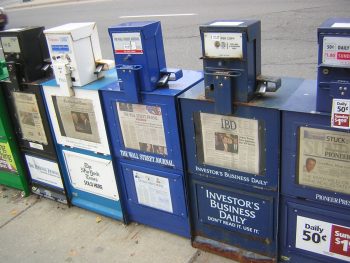
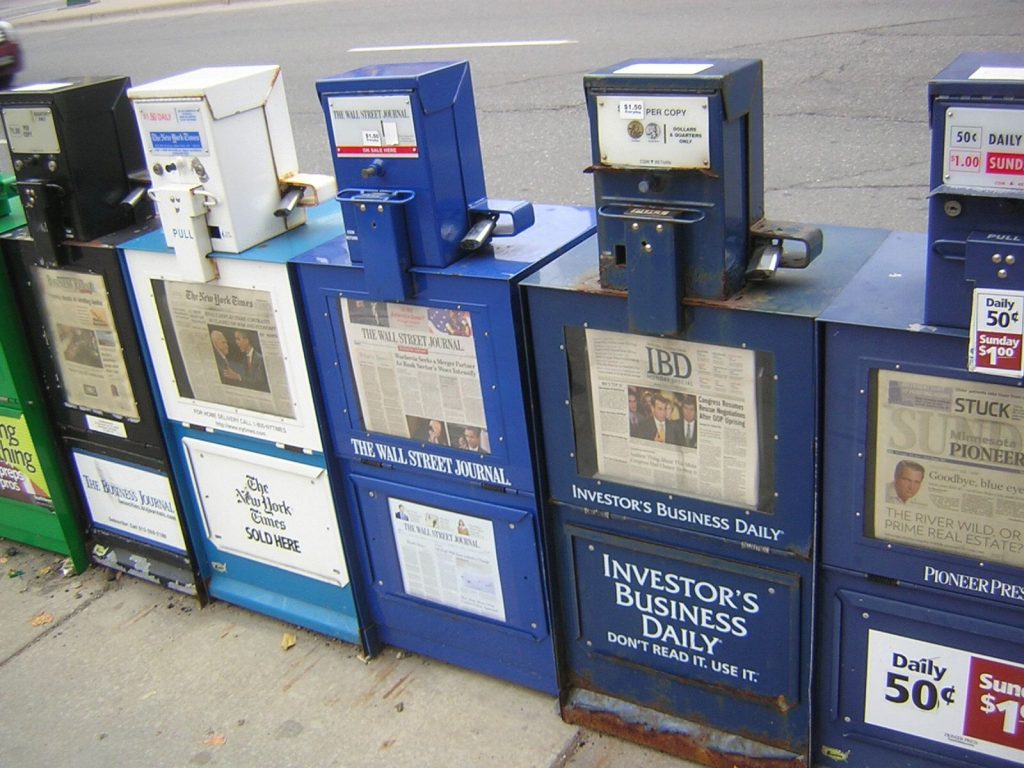
Featured photo: Newspapers-20080928 by SusanLesch, BY-SA 3.0.