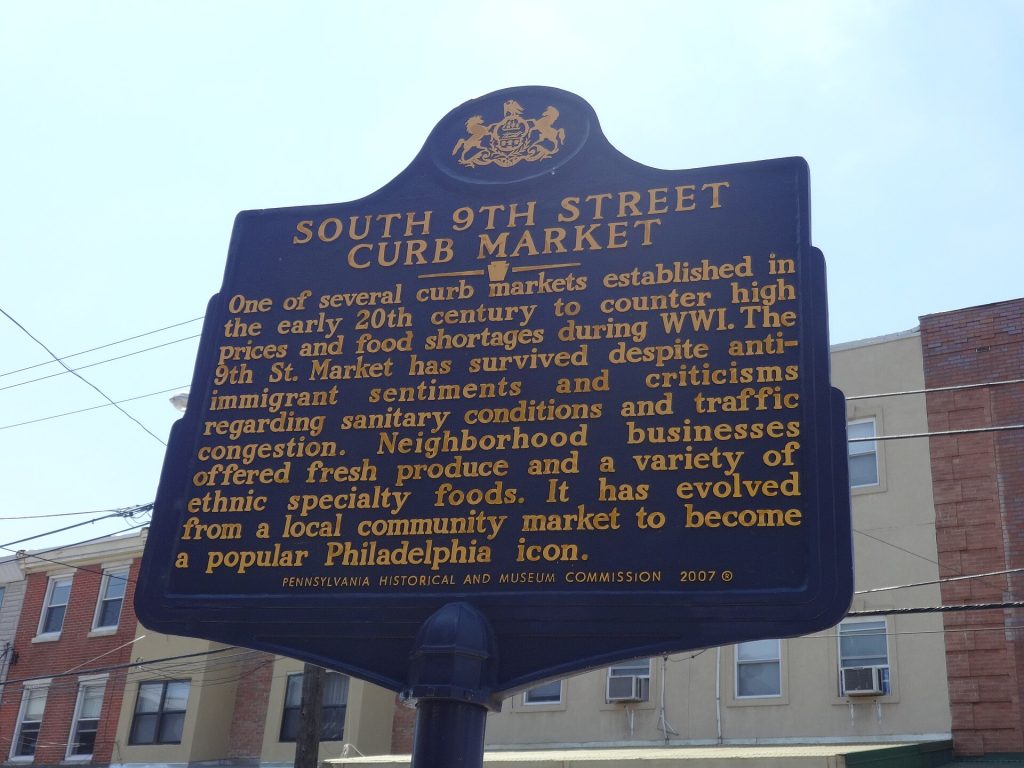
This Philadelphia Italian Market guide is written for chefs, buyers and operators rather than tourists. The South 9th Street Italian Market is a working food street in South Philadelphia, lined with family businesses that have supplied the city’s kitchens for generations: Di Bruno Bros. and Claudio for cheese and salumi, Esposito’s for meat, Anastasi for fish, Sarcone’s for bread and Fante’s for equipment.
It’s also changed a great deal. Mexican, Vietnamese and other immigrant-run businesses now sit alongside the century-old Italian shops, which makes the street one of the best single places in the region to source across cuisines.
Below is the context, the long-running vendors worth knowing (each one confirmed operating), and a practical way to shop the street when you’re buying for a kitchen.
Key takeaways
- The market grew from an Italian boarding house opened in the mid-to-late 1880s and was chartered as a business district by the city in 1915.
- Anchor vendors for professionals include Di Bruno Bros., Claudio, Talluto’s, Esposito’s, Anastasi, Sarcone’s, Isgro and Fante’s.
- Esposito’s has supplied restaurants wholesale since the 1970s, and Claudio’s website has a wholesale section.
- Go early on a weekday; Fante’s notes the market operates mainly Tuesday through Sunday.
- Visit Philadelphia suggests street parking on 10th Street or paid lots on Washington Avenue or Carpenter Street.
A short history for context
According to the South 9th Street Italian Market’s own history, the market began in the mid-to-late 1880s when Antonio Palumbo, an Italian immigrant, opened a boarding house in the neighbourhood for other Italians. Early merchants sold from pushcarts, with produce brought over from New Jersey farms, and by around 1904 families were opening permanent shops with homes above.
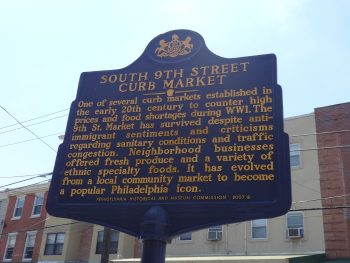
The Encyclopedia of Greater Philadelphia records that the South Ninth Street Business Men’s Association formed in 1915 and secured official curb market status, and that a state historical marker was dedicated in 2007 recognising the curb market’s role during the food shortages of World War I. From 1983, new immigrant groups arrived, and the street now includes Vietnamese, Korean, Chinese and Mexican-run businesses.
Visit Philadelphia calls it one of the oldest and largest open-air markets in America. For a chef, the useful part is that the old-school specialists and the newer businesses sit within a few blocks of each other.
Cheese, salumi and pasta
Di Bruno Bros.
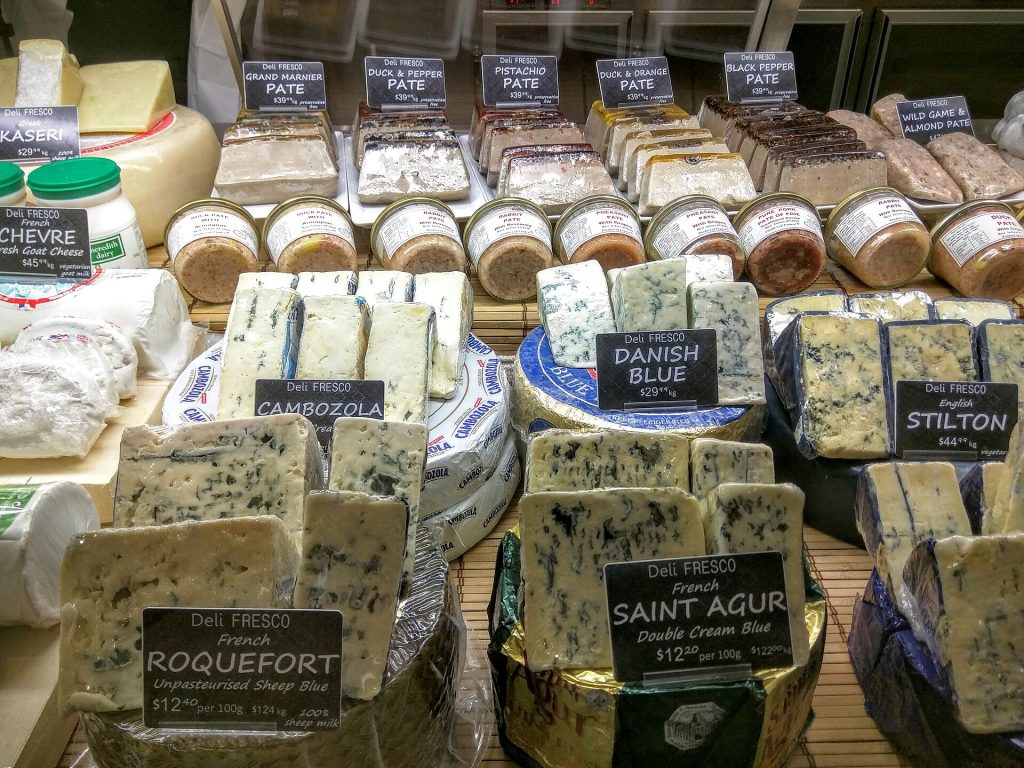
Di Bruno Bros. has sold cheese at 930 S. 9th Street since 1939, in an original shop it describes as just 300 square feet. It’s the place to taste before you buy and to find cheeses you won’t get through a broadline distributor. The company also lists catering and wholesale enquiries on its site.
Claudio Specialty Foods
A few doors north at 924-26 S. 9th Street, Claudio carries cheese, salumeria, olives, olive oil, vinegar, pasta and pantry goods. Its website has a dedicated wholesale section, which makes it worth a conversation if you need Italian imports in restaurant quantities.
Talluto’s
At 944 S. 9th Street, Talluto’s makes fresh pasta every day, along with fresh mozzarella and handmade burrata. It’s useful for sampling shapes and fillings before you commit to making pasta in house or buying it in.
Meat and seafood
Esposito’s Meats
Esposito’s opened at 1001 S. 9th Street in 1911 under Attilio Esposito and has stayed in the family for four generations. In the 1970s the family expanded into custom cuts, seafood and game and turned the shop into a wholesale business to serve Philadelphia’s growing restaurant trade. It still serves both retail and wholesale customers.
Anastasi Seafood
Further south at 1039 S. 9th Street, Anastasi Seafood traces its fish business back to the family’s great-grandfather in the early 1900s and is now run by the fourth generation. It operates as a fish market with prepared food and seating, so you can look at the catch and eat lunch in the same stop.
The best reason to shop the Italian Market in person is the conversation at the counter. That’s where standing orders start.
Bread, pastry and kitchen gear
Sarcone’s Bakery
Sarcone’s has baked at 758 S. 9th Street since Luigi Sarcone opened the shop in 1918, and the fifth generation of the family runs it today. Its plain and seeded loaves are the reason to go; if you’re building a sandwich programme, taste them against your current bread.
Isgro Pastries
Just off 9th at 1009 Christian Street, Isgro Pastries has been family-run since 1904. Cannoli, ricotta cookies, sfogliatelle and pignoli are among its specialties. Production has moved to a larger facility in South Philadelphia, while the Christian Street shop continues as the retail store.
Fante’s Kitchen Shop
Fante’s, at 1006 S. 9th Street and trading since 1906, stocks baking supplies, cookware, cutlery and coffee equipment. It’s a good stop for specialist tools like pasta and pastry equipment that restaurant supply catalogues don’t always carry, and for seeing them in hand before you buy.
How to shop it like a professional
Shopping the market for a kitchen is different from a leisurely Saturday stroll. A little planning turns a trip into a sourcing session.
- Go early on a weekday. Fante’s notes the market operates mainly Tuesday through Sunday, and weekdays give you more time with owners. Check each shop’s hours before you go.
- Walk the length once before buying. Compare produce stands and counters, then circle back.
- Bring a list with specs. Quantities, cuts, sizes and budgets, so you can ask for quotes as well as buy.
- Ask about wholesale. Esposito’s has served restaurants wholesale for decades, and Claudio and Di Bruno Bros. both list wholesale contacts. Ask about minimums, delivery and payment terms.
- Plan the car. Visit Philadelphia suggests street parking on 10th Street or paid lots on Washington Avenue or Carpenter Street between 9th and 10th. Bring coolers for meat and fish.
- Explore the newer businesses. The Mexican and Southeast Asian shops and restaurants along the street are a source of ingredients and ideas you won’t find in a catalogue.
If a market visit leads to a new standing order, set it up like any other supplier relationship; our supplier guides and guide to specialty distributors cover the terms to agree.
Use the produce stands for scouting
The curbside produce stands are where the market started, and they still reward a slow look. Treat them as a scouting tool: see what’s abundant and cheap this week, taste it, and think about how it could run as a special. Prices and quality move with the season, so the same walk in March and October will point you to very different menus. Our notes on building a seasonal menu show how to turn that kind of market walk into a menu change.
The market’s own site describes winter visits with barrels of fire to keep shoppers warm, so don’t write off the cold months. Buying is often calmer then, and owners have more time to talk about what they can bring in for you.
Pair it with a team outing
Visit Philadelphia notes community-led tours run year-round in English, Spanish and Vietnamese, which can make a good training day for cooks. Round it off with lunch nearby; our restaurant directory helps you find somewhere to sit down after.
FAQ
Where is the Italian Market in Philadelphia?
It runs along South 9th Street in South Philadelphia, with the core blocks around Christian Street, Carpenter Street and Washington Avenue.
Can restaurants buy wholesale at the Italian Market?
Some vendors sell wholesale. Esposito’s serves wholesale accounts, and Claudio and Di Bruno Bros. both list wholesale contacts on their websites.
What days is the Italian Market open?
Fante’s describes the market as operating mainly Tuesday through Sunday, but each shop sets its own hours, so check before you go.
Is it only Italian food?
No. Since the 1980s Vietnamese, Korean, Chinese and Mexican-run businesses have joined the historic Italian shops.
Plan your first buying trip
Pick three categories you want to improve, such as bread, cheese and cured meat, and plan a weekday morning trip around the matching vendors. Bring specs and a cooler, taste everything against what you buy now, and ask each counter for wholesale terms. One good supplier found in person can change a menu for years.
Featured photo: Italian Market Philadelphia 04 by Bohemian Baltimore, BY-SA 4.0.