Food plants turn to Bunzl Processor Division to stock the safety products every OSHA audit expects to see. The Occupational Safety and Health Administration, or OSHA, sets standards for workplace protection nationwide. Missing or outdated equipment can turn a routine audit into a costly compliance problem.
Auditors look closely at personal protective equipment, signage, and emergency response supplies on-site. Preparing ahead of time reduces stress and helps your plant pass inspections smoothly. We compiled the essential equipment categories your facility needs to stay audit-ready.
What Safety Products Should Every OSHA Audit Include?
A thorough OSHA audit checks whether your plant has the right safety products on hand. Inspectors review personal protective equipment, hazard signage, and emergency response tools during a visit. Missing even one category can result in citations, fines, or a failed inspection.
- Hard hats and bump caps for overhead hazard protection
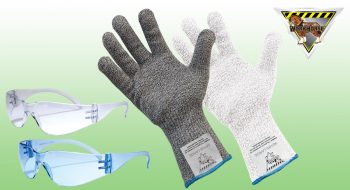
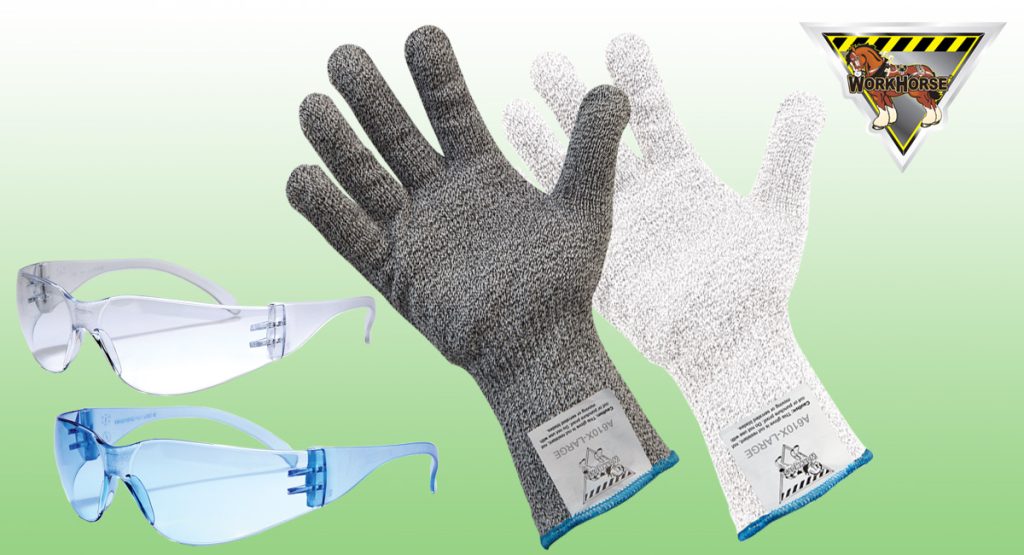
- Safety glasses for splash, debris, and airborne particle protection
- Cut-resistant gloves for boning, trimming, and bladed tasks
- Hearing protection for areas with loud grinders, saws, or compressors
- Respiratory protection for dust, fumes, or chemical exposure
- Fall protection equipment for elevated platforms, catwalks, and storage racks
- High-visibility apparel for areas with forklifts and moving equipment
- Clear hazard signage and floor marking throughout the plant
- Posted emergency procedures at every station
- Stocked first aid kits and accessible eyewash stations
Stocking every category well before an audit prevents last-minute scrambling and possible citations. A complete, well-organized safety product inventory keeps your plant ready for inspection at any time.
Personal Protective Equipment Every Processing Plant Needs
The right safety products form the foundation of any workplace safety program in food plants. Every worker needs equipment matched to the specific hazards they face during a shift. For instance, ill-fitting or damaged gear fails to protect workers and increases your injury risk.
Gloves should match the task, whether that means cut resistance, chemical resistance, or grip. Furthermore, eye protection should meet ANSI Z87.1 standards for impact and splash resistance. Footwear should include slip-resistant soles to prevent falls on wet processing floors daily.
Meanwhile, hearing protection should match the noise level measured at each individual workstation. Replace worn PPE on a set schedule instead of waiting until it visibly fails.
Training workers on proper PPE use matters as much as providing the equipment itself. Additionally, regular fit checks confirm that gloves, glasses, and hearing protection still work correctly. A well-trained team wears PPE properly, which keeps your audit results strong every year.
Facility Safety Products for Common OSHA Hazards
Beyond personal gear, your facility needs safety products built into the physical workspace itself. Anti-slip flooring and floor mats reduce fall risk in wet or greasy work areas. Clear signage marks hazards like wet floors, chemical storage, and restricted equipment zones.
Eyewash stations and emergency showers need to sit within seconds of chemical handling areas. Therefore, plan station placement carefully before your next audit or facility walk-through occurs. First aid kits should stay stocked, accessible, and clearly labeled throughout every department.
Meanwhile, lockout and tagout supplies protect workers during equipment maintenance and repair work. Access barriers and warning signage keep untrained staff away from hazardous equipment areas.
Color-coded organization also helps auditors quickly confirm that safety products stay in the right zones. Additionally, a documented inspection schedule shows auditors that your team checks equipment regularly. Keeping records of past audits also helps you track improvement year after year.
Partner With Us for Safety Products That Pass Every Audit
We help food plants stock the safety products every OSHA audit requires. Our team can help you assess gaps in PPE, signage, and emergency equipment. We also help you build a replacement schedule that keeps your plant audit ready. You can reach our Safety experts directly by submitting our Ask An Expert online form.