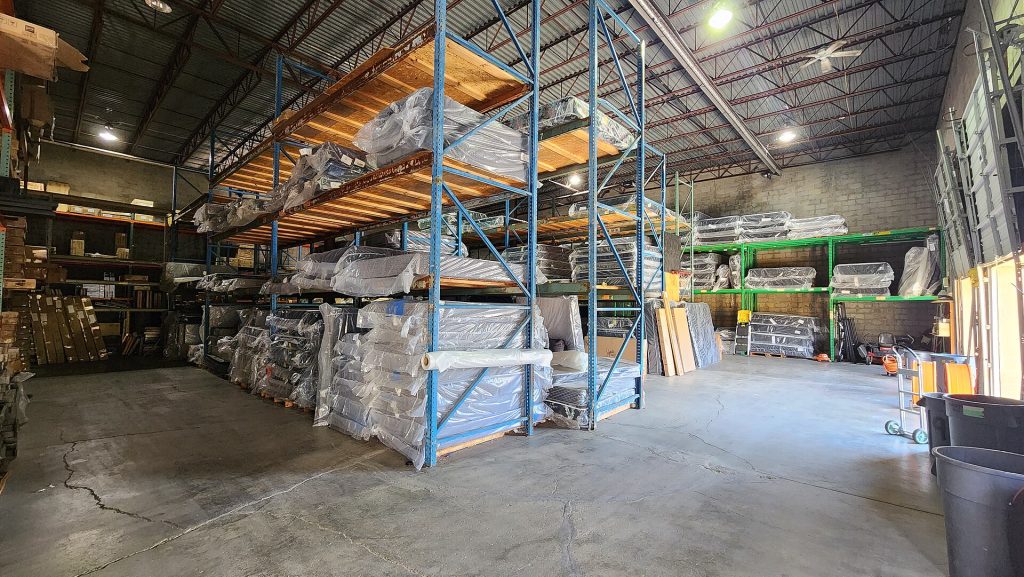
Cash and carry vs delivery comes down to one trade: cash-and-carry warehouses usually offer lower shelf prices and no order minimums, but you pay in labour, fuel and time to fetch the goods. Delivered foodservice supply costs more per case on many items, yet it brings the product to your back door on a schedule, often on credit terms, with a sales rep who can solve problems.
Neither model is cheaper in every case. The honest comparison adds the hidden costs of each side to the invoice price, then looks at how your kitchen actually orders.
This guide compares the two across pricing, minimums, labour, range, credit, freshness and emergency buying, then shows which kinds of operations tend to suit each. It names no suppliers, because the answer depends on your market, not on a brand.
Key takeaways
- Compare landed cost, not shelf price: add driving, staff time and spoilage to every cash-and-carry run.
- The IRS business mileage rate for the second half of 2026 is 76 cents a mile, a useful benchmark for vehicle cost.
- Delivered supply usually brings order minimums and cut-off times, but also credit terms and a rep who handles returns.
- Cold chain is your responsibility on a pickup; the Food Code sets cold holding at 41°F or below.
- Most independents end up with a hybrid: delivery for the core order, cash and carry for fill-ins and emergencies.
The short answer, side by side
The table below sums up how the two models usually compare. Treat it as a starting point; individual distributors and warehouses vary a great deal, so check each point against the actual offers you have.
| Factor | Cash and carry | Delivered foodservice |
|---|---|---|
| Shelf price | Often lower per case, especially on staples | Often higher, varies with volume and contract |
| Order minimum | Usually none | Commonly a dollar or case minimum per drop |
| Labour and time | You drive, shop, load and unload | Driver brings it in; you check it in |
| Product range | Limited to what is on the floor today | Large catalogue, special orders, custom cuts |
| Payment | Typically paid at the register | Credit terms often available after approval |
| Freshness control | You pick each item; you own the cold chain | Supplier owns cold chain until your door |
| Emergency buys | Immediate, during opening hours | Limited to delivery days and cut-offs |
| Problem solving | Return it yourself | Credits and replacements through a rep |
The cheapest case of fryer oil is the one whose true cost you have actually worked out.
Price: the shelf tag is only half the number
A price comparison that stops at the shelf tag flatters cash and carry. Every warehouse run has costs that never show up on the receipt, and they add up quickly when someone makes the trip two or three times a week.
Put a number on the trip
Start with the vehicle. The IRS standard mileage rate for business use is 76 cents a mile from 1 July to 31 December 2026, up from 72.5 cents in the first half of the year. It is a rough proxy for fuel, wear and insurance, not your exact cost, but it is far better than counting the trip as free.
Then add labour. The Bureau of Labor Statistics puts the median wage for chefs and head cooks at $62,470 a year, or $30.03 an hour, as of May 2025. If your chef makes the run, that is the kind of hourly cost leaving the kitchen with them, before payroll taxes.
A worked example
Say your kitchen manager drives 20 miles round trip to a warehouse and spends two hours shopping, loading and putting product away. At 76 cents a mile the vehicle cost is $15.20. Two hours at $30.03 is $60.06. That trip costs about $75 before a single case is bought.
- If the run saves you $200 against your delivered prices, it pays.
- If it saves $50, you are losing money and a senior cook’s afternoon.
- If the person driving would otherwise be prepping, add the cost of the prep that slips or needs overtime.
Track the saving honestly for a few weeks. Compare like for like: the same pack size, the same grade and the same yield, because a cheaper case with more trim is not cheaper.
Minimums, order windows and range
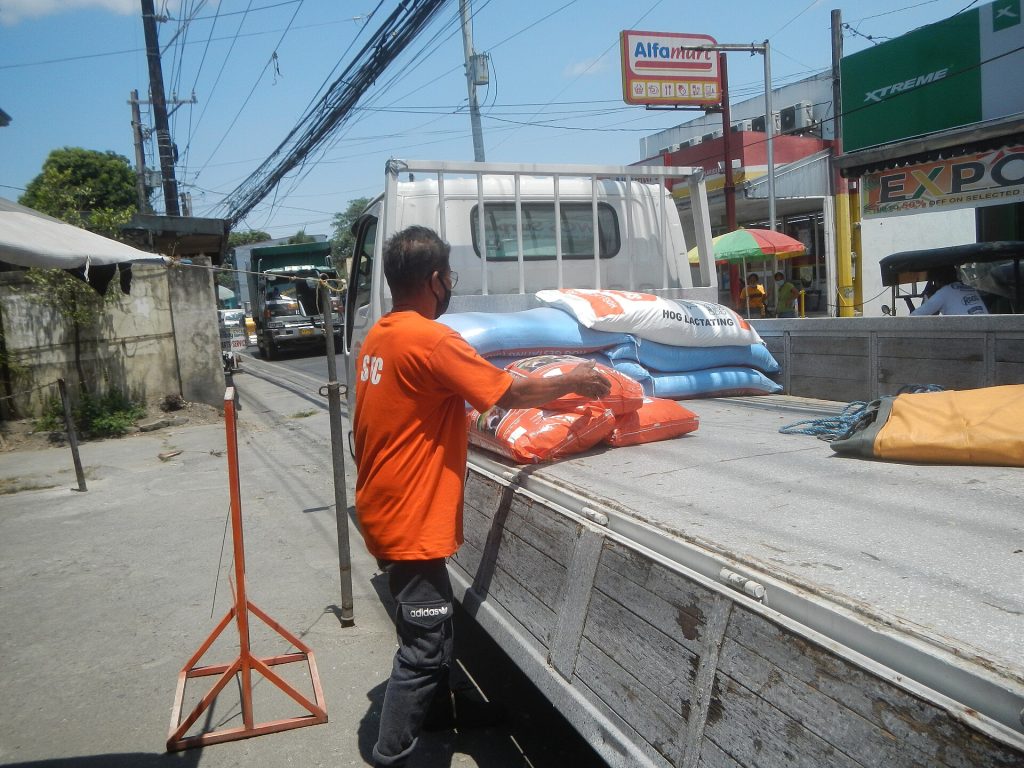
Delivered supply is built around routes. Distributors commonly set an order minimum per delivery and a cut-off time for placing orders, and they deliver on fixed days. If you are a small operation, hitting the minimum can push you to order more than you need, which ties up cash and shelf space.
Cash-and-carry warehouses usually have no minimum. You buy one case or twenty. That flexibility suits small kitchens, new openings and anyone still learning their par levels.
Range and consistency
- Delivered: a broad catalogue, specialty and special-order items, portion-cut proteins and a rep who can source something you have never bought before.
- Cash and carry: what is on the floor today. Staples are reliable; specialty items and specific pack sizes come and go.
- Consistency: if a recipe depends on one exact product, the model that can guarantee it every week wins, whatever the price.
Credit terms and paperwork
Cash and carry is usually exactly that: you pay at the register, by card or cash, when you take the goods. That keeps things simple but means your cash leaves the bank the day you shop.
Delivered suppliers often offer trade credit once you pass a credit application, letting you pay a week or several weeks after delivery. That gap can matter a great deal to a restaurant’s cash flow, because much of the food is sold before the bill is due. The flip side is paperwork: credit applications, statements to reconcile and, in many cases, a personal guarantee. Our guide to supplier payment terms explains the fine print.
Record-keeping
Warehouse receipts are easy to lose in a glovebox. Whichever model you use, get every purchase into your food cost records the same week, or your cost reports will look better than reality.
Freshness, cold chain and emergency buys
On a warehouse run you choose every item yourself. You can reject a soft case of tomatoes on the spot, which is a real advantage. But once you pay, the cold chain is yours.
The FDA Food Code, a model that state and local jurisdictions adopt, sets cold holding for time/temperature control foods at 41°F or below. A car boot on a summer afternoon is not that.
- ☐ Carry insulated boxes or coolers for dairy, meat and seafood.
- ☐ Shop for chilled and frozen items last, and drive straight back.
- ☐ Put cold product away first, before dry goods.
- ☐ Probe a few items when you get back, the same way you would check a delivery.
Emergency buys
This is where cash and carry earns its place even in kitchens that rely on delivery. When you run out of cream on a Saturday, or a delivery shorts you on burger buns, a nearby warehouse can save service. A distributor, by contrast, is usually bound by its route schedule and cut-off times.
Which model suits which operation
The right mix depends on volume, menu and staffing. These patterns are common, but test them against your own numbers.
| Operation | Tends to suit | Why |
|---|---|---|
| Food truck or small cafe | Mostly cash and carry | Small, irregular orders; minimums are hard to hit |
| New opening | Hybrid, leaning cash and carry | Pars are unknown; credit history is thin |
| Busy full-service restaurant | Mostly delivered | Volume meets minimums; staff time is scarce |
| Multi-unit group | Delivered, with contract pricing | Consistency across sites and negotiated pricing |
| Any kitchen | Cash and carry as backup | Fill-ins, emergencies and one-off events |
Many owners settle on a hybrid: one main distributor for the bulk of the order, one or two specialists, and a warehouse card for fill-ins. See our guide to controlling food cost for how to fold both into a single cost picture.
FAQ
Is cash and carry always cheaper than a distributor?
No. Shelf prices are often lower, but once you add mileage, staff time and spoilage, some items cost more than delivered.
How do I value the time spent on a warehouse run?
Multiply the hours by the loaded wage of whoever goes, and add vehicle cost. The IRS business mileage rate is a reasonable proxy.
Can I get credit terms at a cash-and-carry warehouse?
Usually you pay at the register. Ask your local warehouse, but plan on paying when you buy.
What is the biggest risk of picking up my own food?
Temperature. Keep chilled food at 41°F or below, and treat the trip back like a delivery you are responsible for.
Run a two-week cost test
For the next two weeks, log every warehouse run: miles, hours, who went and what you saved against your delivered prices on the same items. Add it up, then decide which categories belong on the truck and which in the trolley. For more help with vendors, browse our supplier guides and our advice on receiving deliveries.
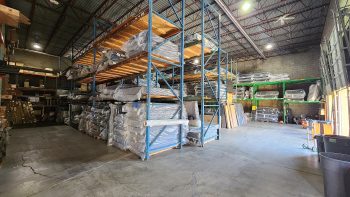
Featured photo: Waterbeds ‘n’ Stuff Corporate Office Furniture Warehouse Interior, Grove City, Ohio by WaterbedsRobbie, BY-SA 4.0.