Most brandies in the ARARAT range are defined by their aging period. Erebuni 30 is defined by something more specific: the rarity of the spirits inside the blend. More than thirty vintage distillates, each preserved for decades in the cellars of the Yerevan Brandy Company, were brought together to create a single expression. The oldest of them dates back to 1934.
This is the entry point into the ultra-premium tier of the ARARAT portfolio. ARARAT Erebuni 30 carries the name of the Erebuni Fortress, built in 782 BC by order of King Argishti I, the same site that gave Yerevan its origins. The name was chosen deliberately. Like the fortress, this brandy is built to endure and to mark something significant.
The Erebuni Fortress and the Story Behind the ARARAT Erebuni 30 Name
Every detail of this expression connects back to Armenian history. The Erebuni Fortress was erected on a hilltop overlooking what is now Yerevan, and the cuneiform inscription on the memorial stone at that site records the founding of the city. That inscription is reproduced on the packaging, engraved into the golden exterior as a direct reference to the original stone.
The name is not decorative. It establishes the intent of the expression: a brandy that belongs in the same category as objects of historical and cultural permanence. The Yerevan Brandy Company has been producing spirits since 1887, and Erebuni 30 draws on the oldest reserves held in those cellars. These are distillates that predate many of the brand’s most celebrated blends.
What Goes into the Blend: Thirty-Plus Vintage Spirits
Assembling a brandy of this kind is a different process from producing a standard aged expression. The master blenders at the Yerevan Brandy Company did not start with a fixed recipe. They started with a selection of rare vintage spirits, each one assessed individually, and built the blend around what was available and what worked together.
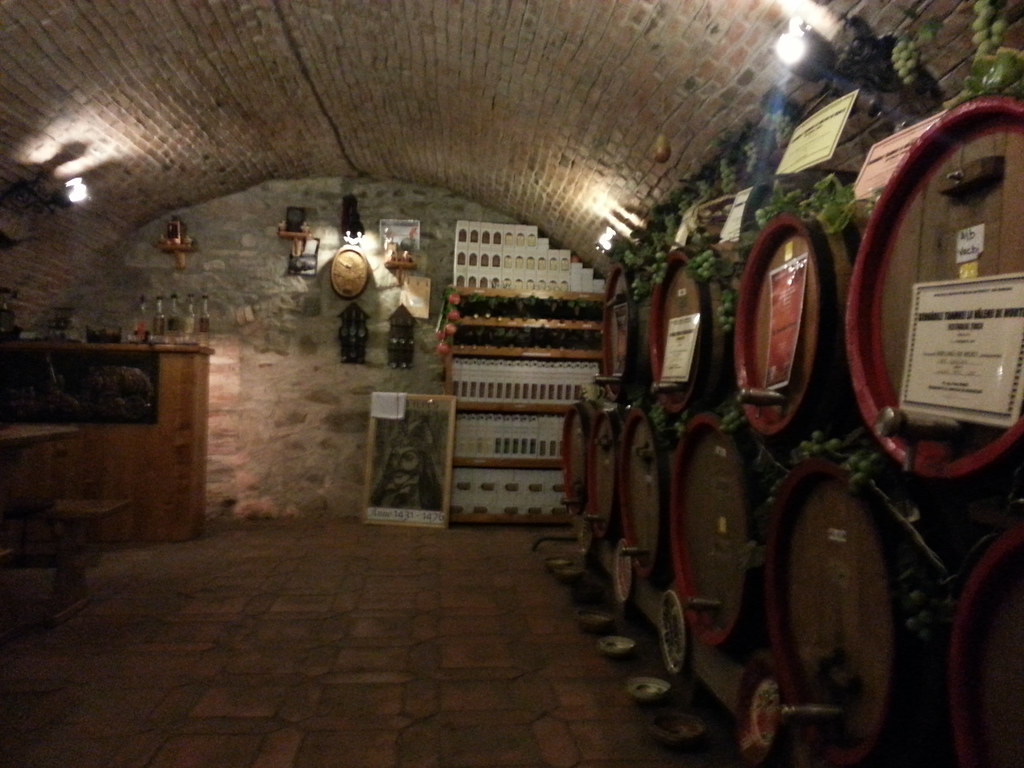
More than thirty distillates went into the final composition. Each one spent years, in some cases decades, waiting in Caucasian oak casks before being considered for inclusion. The oldest spirit in the blend was distilled in 1934, nearly ninety years before the bottle reaches a glass today.
Caucasian oak is central to what makes these spirits taste the way they do. Its tight grain releases tannins slowly and contributes pronounced notes of dried fruit, hazelnuts, chocolate, and spice over time. These are characteristics that French or American oak do not replicate. After three decades or more in these casks, the spirits carry all of those qualities at full depth.
ARARAT Erebuni 30 Tasting Profile: Color, Aroma, and Palate
The tasting experience begins before the first sip. Understanding each stage, from appearance through nose to taste and finish, helps appreciate the full range of what thirty years of aging produces.
Appearance
The color is a rich amber with mahogany tones. In direct light, the depth of color reflects the extended contact with oak. The legs move slowly down the glass, indicating the viscosity and body of the spirit.
Nose
The aroma opens with dried fruit: concentrated, not sharp. Candied orange and vanilla appear alongside it, softening the initial impression. There is no single dominant note. The aromas arrive together and shift gradually as the brandy opens up in the glass. Given time, hints of toasted hazelnut emerge beneath the fruit.
Palate and Finish
The palate is full and velvety. Chocolate and toasted hazelnut are the most prominent taste notes, with almond providing additional depth. Apricot and plum are present throughout but integrated, not forward. The texture is smooth, with a pleasant tartness from the aged oak that keeps the richness balanced.
The finish is long and gentle. The tartness of the oak lingers alongside dried fruit, and the warmth fades slowly rather than cutting off. This gradual finish is one of the more telling indicators of extended aging done well.
How to Approach an ARARAT Erebuni 30 Tasting Ritual
A brandy of this age and complexity rewards a deliberate approach. Rushing through it misses most of what makes it worth opening.
- Use the right glass. A tulip-shaped snifter concentrates the aromas at the opening and allows the bouquet to develop as the brandy warms slightly. Pour 30 to 40 ml, enough to swirl properly without filling the glass.
- Serve at room temperature. The ideal range is 18 to 22°C. Serving it cold suppresses the aromatic compounds and flattens the nose. If the bottle has been stored somewhere cool, let it rest for fifteen to twenty minutes before pouring.
- Nose before tasting. Swirl the glass gently and take short, gentle sniffs rather than a single deep inhalation. The aromas will shift over several minutes as the brandy opens up. The first impression is not the complete picture.
- Take your time with the finish. After each sip, pay attention to how the flavors develop and fade. The finish on Erebuni 30 evolves rather than disappearing quickly, and that evolution is part of what thirty years of aging produces.
Where ARARAT Erebuni 30 Sits in the Ultra-Premium Collection
The Erebuni range extends beyond the 30-year expression. Erebuni 50 and Erebuni 70 follow the same principle, using rare vintage spirits from the Yerevan Brandy Company cellars assembled by the master blending team, but with even older distillates at their core. The oldest spirit in the Erebuni 70 blend dates back to 1902.
Erebuni 30 is the entry point into this tier, and it functions as such. It carries the full character of the collection: the depth, the complexity, and the historical weight of the name. At the same time, it remains the most accessible of the three in terms of price and availability. For someone exploring the upper end of the ARARAT range for the first time, it is the natural starting point.
Within the broader ARARAT portfolio, Erebuni 30 sits above the core range expressions like Nairi (20 years) and below the rarest collectible releases. It occupies a distinct position: a brandy with genuine collector status, assembled from spirits that no longer exist in the form they once did, but still designed to be opened and experienced rather than simply held.
Conclusion
Three decades in Caucasian oak, more than thirty vintage distillates, and the oldest spirit in the blend distilled in 1934. These are not details for the label. They explain why Erebuni 30 tastes the way it does and why it holds the position it does in the ARARAT collection.
This is a brandy for occasions that warrant it: a significant celebration, a serious gift, or a deliberate tasting with time set aside for the purpose. Open it with attention, and it will deliver everything three decades of patient aging promises.