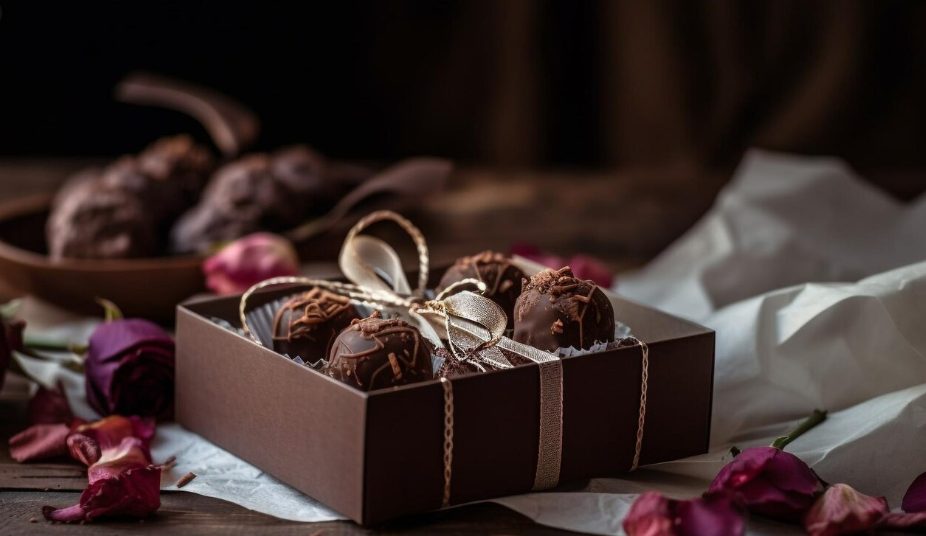
Chocolate has always been a favorite for gifts and celebrations. Just treat yourself. Whether it’s handmade truffles or high-quality chocolate bars, the way they look matters a lot to people. For restaurants, bakeries, chocolatiers, and candy shops, packaging isn’t just about keeping things safe. It shows how good the product is, helps people remember the brand, and makes customers feel something when they open it.
In a market of choices, custom chocolate boxes help food businesses stand out. They protect the product, look nice, and get the brand name out there. Whether the chocolate is sold in a store or served as a dessert. Given as a gift, well-designed packaging makes every moment feel meaningful.
Why Chocolate Packaging Matters for Food Businesses
Customers often notice packaging before they taste the product inside. A well-designed chocolate box creates expectations about freshness, flavor, and quality. For restaurants and dessert businesses, the first impression can influence purchasing decisions and encourage customers to explore more products. Packaging also serves a functional purpose. Chocolates can melt, break, or lose their visual appeal when handled improperly. Suitable packaging helps protect delicate pieces during storage, transportation, and delivery.
Businesses should consider the size, shape, weight, and temperature sensitivity of their products when selecting packaging. Individual compartments can prevent chocolates from rubbing against one another, while secure closures help keep the contents in place. These details are especially important for assorted chocolate collections, filled truffles, and decorated confectionery.
How Custom Chocolate Boxes Improve Product Presentation
Presentation is particularly important in the food industry because customers frequently purchase chocolate for birthdays, holidays, weddings, corporate events, and other special occasions. Standard packaging may protect the product, but customized designs allow businesses to create a stronger visual identity.
Custom boxes can feature brand colors, logos, product illustrations, and carefully selected typography. These elements help customers recognize a business and distinguish its products from competing options.
For example, a restaurant selling handmade chocolate desserts could use elegant packaging with a minimalist logo and a premium finish. A bakery offering seasonal chocolate assortments might choose colorful graphics that reflect the occasion. Meanwhile, a chocolate targeting luxury gift buyers could use a rigid box with an organized interior and sophisticated exterior design.
Businesses can explore different custom chocolate boxes to find packaging options that suit their products, branding, and presentation requirements. Selecting an appropriate box style helps maintain the chocolate’s appearance while making the overall presentation more appealing.
Choosing the Right Materials for Chocolate Packaging
Selecting the right materials for chocolate packaging is important. The materials chosen affect how the chocolate looks, how long it lasts, and how well the packaging works. Food businesses need to think about the chocolate itself, how it will be delivered, and what kind of experience they want the customer to have.
Cardboard is a choice. It is light, easy to shape, and works with different types of printing. It’s a fit for chocolate bars, small gift sets, and promotional items. If the chocolates are being shipped, corrugated cardboard can add protection and help prevent damage.
Rigid boxes are stronger. Give the product a more upscale look. They are often used for high-end chocolate collections, gifts for companies, and limited-edition chocolates. Inside paperboard inserts or dividers can keep each piece of chocolate in place. Make the packaging look neat and tidy.
Safety is also a concern. Any material that touches the chocolate must be safe for food. It must meet the rules for food-contact materials. Businesses should also pay attention to how the packaging handles moisture and grease. Temperature changes can affect chocolate, so it’s important to choose materials that can stand up to those changes.
Packaging Design Ideas That Strengthen Brand Identity
A consistent visual identity helps customers connect packaging with a particular business. Restaurants and confectionery brands can use several design elements to make their chocolate boxes more recognizable.
Brand colors and logos:
Consistent colors and clearly positioned logos help reinforce recognition across product lines. Businesses should maintain a visual connection between chocolate packaging, menus, takeaway bags, and other branded materials.
Window Packaging:
A suitable transparent window allows customers to view the chocolates without opening the box. This can be useful for colorful assortments, decorated pieces, and retail displays. The window material should be appropriate for the packaging application.
Compartments and inserts:
Individual sections keep chocolates organized and improve presentation. Inserts are especially helpful for assorted flavours, delicate decorations, and differently shaped pieces.
Finishing options:
Matte coatings, gloss finishes, foil details, and embossing can create different visual effects. Luxury brands may prefer subtle finishes, while promotional products may benefit from brighter colors and more prominent graphics.
Clear product information:
Packaging can display flavor names, ingredient information, allergen declarations, storage instructions, and other required details. Accurate labeling helps customers make informed choices and supports a professional presentation.
The best design is one that reflects the brand while remaining practical for employees, retailers, and customers.
Cost-Effective Packaging Strategies for Growing Businesses
Custom packaging does not have to mean expense. Companies can manage costs by choosing materials, using standard box sizes, and picking printing methods that fit their budgets.
Buying packaging in bulk can lower the cost per unit but companies need to think about storage space, how much product people want, and the chance that the design might change before ordering a lot.
Restaurants and small chocolate makers can start with a branded look and add fancy finishes for holiday items or special gift boxes. Using the type of box for different products can also make buying and keeping track of inventory easier.
Before deciding on an order companies should ask for samples or models if they are available. Testing the box with chocolates can show issues with how well it fits, how strong the closing is, how the inside parts work and how it holds up during moving.
Conclusion
Custom chocolate boxes help restaurants, bakeries, and confectionery brands bring together looks and strong protection for their products. Good packaging helps build brand recognition, keeps chocolates safe, and gives customers a better experience when they buy treats for themselves or for someone else.
Choosing the materials, using smart designs, adding secure closures, and providing clear product details lets businesses make packaging that fits both customer needs and daily operations. Whether the aim is to make takeaway orders look better or highlight a premium chocolate line. Create gift boxes that stand out: a well-designed chocolate box can play a big role in the whole food experience.