Supplier payment terms set how long you have to pay a vendor after a delivery. The most common are cash on delivery (COD), net 7, net 15 and net 30, meaning the full invoice is due that many days after the invoice date. Some suppliers add an early-pay discount such as 2/10 net 30, and most attach conditions: a credit application, often a personal guarantee, and late fees if you miss the due date.
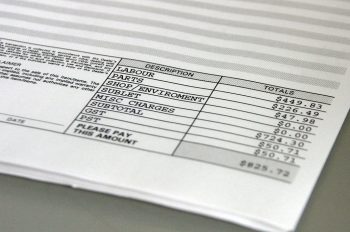
For a restaurant, those few lines at the bottom of an invoice matter more than they look. Food and beverage are among your biggest costs, and the gap between when you pay suppliers and when guests pay you decides how much cash you need sitting in the bank.
This explainer walks through each type of term, what the fine print usually means, a rule that applies specifically to produce, and how to line your terms up with your own cash cycle.
Key takeaways
- Net terms are a form of trade credit: payment in full is due a set number of days after the purchase, such as net 30.
- 2/10 net 30 means a 2% discount if you pay within 10 days; otherwise the full amount is due by day 30.
- A personal guarantee is a written promise from the owner to pay if the business does not.
- Under PACA, produce payment terms longer than the prompt-payment standard must be agreed in writing beforehand and cannot exceed 30 days.
- Match your terms to how fast inventory turns, and put every due date on one calendar.
In this guide
- The common terms, side by side
- Early-pay discounts and what 2/10 net 30 is worth
- Credit applications and personal guarantees
- Produce buyers and the PACA trust
- Late fees, disputes and short-pays
- Matching terms to your cash flow
- FAQ
- Review every vendor’s terms this month
The common terms, side by side
The U.S. Small Business Administration describes net terms as a type of trade credit that requires payment in full a short time after a product or service is purchased, with net 30 and net 60 among the typical versions. Which one you get depends on the supplier, the product and your payment history, so it is normal to hold several different terms at once.
| Term | What it means | Where you tend to see it |
|---|---|---|
| Prepay / cash in advance | You pay before the order ships | New accounts, special orders, vendors with no credit history on you |
| COD | Payment is collected when the goods are delivered | Small local suppliers, new accounts, accounts that have fallen behind |
| Net 7 | Full invoice due 7 days after the invoice date | Fast-moving perishables, weekly-billed specialty vendors |
| Net 15 | Full invoice due 15 days after the invoice date | Many produce, dairy and bakery accounts |
| Net 30 | Full invoice due 30 days after the invoice date | Broadline distributors, dry goods, paper and chemical suppliers |
| 2/10 net 30 | 2% off if paid within 10 days; full amount due by day 30 | Distributors that want faster cash and offer a reward for it |
Invoice date versus delivery date
Read which date starts the clock. Most terms count from the invoice date, but some suppliers use the statement date on a weekly or monthly statement. If a vendor bills weekly on statement, net 15 can effectively give you more time on Monday’s delivery than on Friday’s.
Early-pay discounts and what 2/10 net 30 is worth
An early-pay discount rewards you for paying before the due date. Corporate Finance Institute explains 2/10 net 30 with a simple example: on a $10,000 purchase, you pay $9,800 if you pay within 10 days, or the full $10,000 if you pay after day 10 but by day 30.
Run the numbers before you decide
That 2% sounds small, but look at what you are really buying. By paying on day 10 instead of day 30, you give up 20 days of use of the money in exchange for a 2% saving. There are roughly 18 twenty-day periods in a year, so if you could repeat that trade all year, the saving works out to well over 30% a year on the cash involved. Very few short-term uses of cash earn that.
- Take the discount when you have the cash and no urgent need for it in the next three weeks.
- Skip it if paying early would push you into an overdraft or a high-interest credit line.
- Ask for it. Suppliers that don’t advertise a discount will sometimes offer one to a reliable account, especially on large invoices.
- Track it. A discount you qualify for but miss because the invoice sat on a desk is money left on the table.
A 2% discount is not small change. Over a year, it is one of the best returns your spare cash can earn.

Credit applications and personal guarantees
Before a distributor gives you terms, it will usually ask you to fill in a credit application. Expect questions about your legal business name and structure, how long you have operated, bank and trade references, estimated monthly purchases, and who owns the business.
The personal guarantee clause
Many applications include a guarantee section. The SBA defines a personal guarantee as a written promise from a business owner to accept responsibility if the business fails to pay. In practice, that means your incorporated restaurant’s unpaid invoices can become your own debt.
- Read the guarantee language before you sign, not after the first missed payment.
- Ask whether the guarantee can be capped at a dollar amount or limited to a set period.
- Ask whether it can be released after a year or two of on-time payment.
- Keep a copy of every signed application, and note which vendors hold a guarantee from you.
- If you have partners, find out whether each one is being asked to sign.
Produce buyers and the PACA trust
Buying fresh or frozen fruit and vegetables carries a US rule many operators never hear about. Under the Perishable Agricultural Commodities Act, USDA’s Agricultural Marketing Service explains that the PACA trust requires buyers to hold produce received but not yet paid for, plus the proceeds from it, in a statutory trust for unpaid sellers. It gives those sellers priority if a buyer becomes insolvent or files for bankruptcy.
What it means for your terms
- AMS says payment terms other than PACA prompt-payment terms, usually 10 days, must be agreed in writing before the transaction.
- Written terms cannot exceed 30 days from acceptance of the produce.
- Licensed sellers can preserve their trust rights with specific statutory language on their invoices.
- AMS has also reminded buyers that electronic invoicing systems must leave room for that trust statement and accept a seller’s electronic notice.
Whether and how the trust applies to your particular business is a question for a lawyer. The practical takeaway is simple: if your produce invoices carry PACA trust language, treat those bills as a priority and do not ask a produce house to stretch you past 30 days on a handshake.
Late fees, disputes and short-pays
Late fees are set by your credit agreement, so read that section closely. Look for the rate, how often it compounds, when it starts, and whether the supplier can put you on COD or hold deliveries after a missed payment. Those last two are often more painful than the fee itself.
Handling a disputed invoice
- Note the problem on the invoice and get a credit memo from the driver at delivery whenever possible.
- Email your sales rep and the supplier’s accounts team the same day with the invoice number and photos.
- Pay the undisputed part of the invoice on time.
- Short-pay only the disputed lines, with a clear note explaining the deduction.
- Follow up until a credit is issued, and match it against your next statement.
Withholding a whole invoice over one bad case tends to damage the relationship and can trigger late fees on the entire balance. Our guide to receiving food deliveries covers how to catch problems at the back door, before they turn into billing disputes.
Matching terms to your cash flow
Good terms are ones that fit how quickly your inventory turns into sales. Say you run a 70-seat neighbourhood restaurant. Produce and dairy arrive three times a week and are gone within days, while dry goods, paper and cleaning supplies sit on shelves for a few weeks.
- Perishables on short terms are fine, because that product has already become revenue by the time the bill is due.
- Slow-moving stock on longer terms means you are not paying for a case of napkins that is still in the storeroom.
- Big, infrequent purchases, such as a wine order or a smallwares refresh, deserve a direct conversation about terms before you place them.
Build a simple payables calendar
List every supplier, its terms, its discount if any, and the day of the week it bills. Then set one or two fixed payment runs per week, for example Tuesday and Friday, and pay everything due before the next run. A fixed rhythm makes it far harder to miss a due date or a discount window.
Keep an eye on the total you owe at any moment, not just individual invoices. If payables climb faster than sales, you are using suppliers as a bank, and that usually ends with COD terms. For more on the cost side, see our guide to controlling food cost.
FAQ
What does net 30 mean on a restaurant invoice?
The full invoice amount is due 30 days after the invoice date, unless your agreement says the clock starts on a statement date.
Is 2/10 net 30 worth taking?
Usually, yes, if you have the cash. Paying 20 days early for a 2% saving is a strong return, but not if it forces you to borrow at a high rate.
Can I get net terms as a new restaurant?
Often not straight away. Many suppliers start new accounts on COD or prepay, then move you to net terms after a credit application and a period of on-time payment.
Do I have to sign a personal guarantee?
Many suppliers ask for one, but some will cap or limit it. Ask before you sign, and keep a record of every guarantee you have given.
Review every vendor’s terms this month
Pull your last month of invoices and make a one-page list of every supplier, its terms, any discount and whether you signed a guarantee. Flag the vendors where a discount is available and where terms don’t match how fast the product sells, then call those reps this month. You will find more help in our supplier guides and our tips on building better supplier relationships.
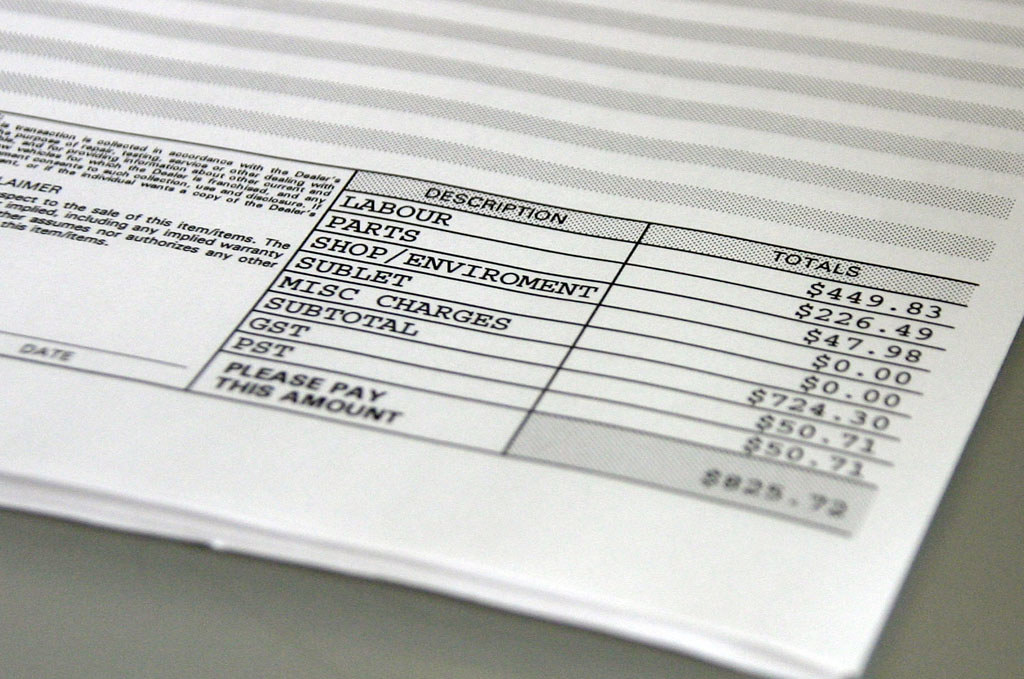
Featured photo: Please pay this amount by miguelb, BY 2.0.