Allergen cross-contact is what happens when an allergen gets into a food that shouldn’t contain it, through a shared board, a glove, a fryer or a splash. Unlike bacteria, the allergen protein isn’t destroyed by cooking. That is why a dish can be cooked to a safe temperature and still trigger a reaction in a guest with a food allergy.
For operators, the practical job is to spot the points where proteins travel in your kitchen, put a control on each one, and make sure every allergy ticket follows a set path from order to table.
This explainer covers the definitions, the nine major allergens under US law, the prep, storage and fryer controls that matter most, and how to train staff so the system survives a Friday rush.
Key takeaways
- Cross-contact is allergen protein moving between foods; cooking does not remove it.
- The FDA lists nine major allergens; sesame became the ninth on January 1, 2023, under the FASTER Act.
- The 2022 FDA Food Code added written allergen notification for unpackaged food and allergen awareness for the person in charge.
- Soap and water remove allergen protein from hands; alcohol-based sanitiser does not.
- Shared fryer oil can carry allergen protein into the next batch, so treat fryers as a named control point.
What allergen cross-contact means
Food Allergy Research & Education (FARE) puts it simply: cross-contact happens when one food comes into contact with another and their proteins mix. The term was adopted to separate it from cross-contamination, which kitchens use for bacteria and viruses.
Cross-contact vs cross-contamination
The difference changes how you control each one. FARE notes that proper cooking will in most cases reduce or eliminate the chance of foodborne illness from contaminated food, but that cooking does not reduce or eliminate the chance of a person with a food allergy having a reaction.
| Cross-contamination | Cross-contact | |
|---|---|---|
| What moves | Bacteria, viruses and other pathogens | Allergen proteins |
| Does cooking fix it | Usually, when food reaches safe temperatures | No |
| Main control | Time, temperature, sanitising, hand washing | Separation, washing with soap and water, dedicated tools |
| Who is at risk | Any guest | Guests with the specific allergy |
The FDA made the same distinction in its model code. The 2022 FDA Food Code summary of changes records updated language to say “allergen cross contact” rather than cross contamination.
The nine major allergens
The FDA lists nine major food allergens: milk, eggs, fish, crustacean shellfish, tree nuts, peanuts, wheat, soybeans and sesame. The first eight came from the Food Allergen Labeling and Consumer Protection Act of 2004. The FASTER Act, signed on April 23, 2021, added sesame, effective January 1, 2023.
Sesame is the one kitchens most often miss. It turns up in tahini, dressings, spice blends, breads and buns, and oils. Check every recipe card and supplier spec for it.
What the Food Code asks of restaurants
The FDA notes that federal allergen labelling rules don’t apply to food placed in a wrapper or container after a customer orders it, which covers most restaurant service. The FDA Food Code fills part of that gap as a model that state and local regulators adopt. The 2022 edition added three points worth knowing:
- Written notification of major food allergens in unpackaged food (§3-602.12).
- Allergen labelling for self-service bulk food (§3-602.11).
- Food allergy awareness as part of the person in charge’s demonstrated knowledge (§2-103.11).
The FDA released a 2026 edition of the Food Code in September 2026, and each jurisdiction adopts editions on its own timetable. Check with your local health department which version and which allergen rules apply to you.
Where cross-contact happens in a kitchen
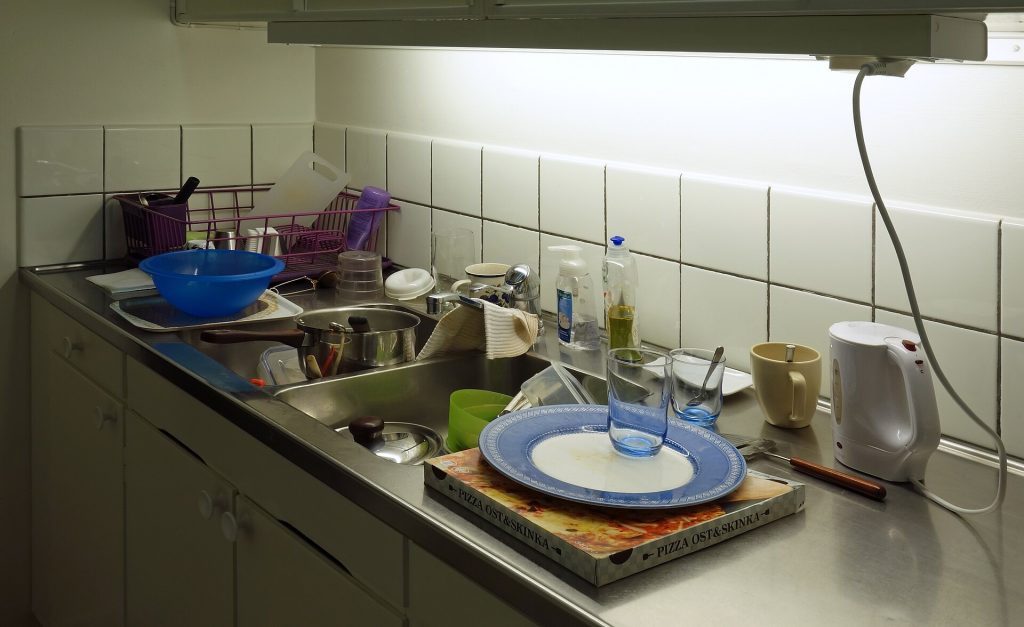
Map the path an allergen can take through your operation. Most kitchens find the same hot spots.
- Receiving and storage: open bags of flour, nuts or seeds above ready-to-eat food; unlabelled decanted ingredients.
- Prep: shared cutting boards, knives, mixers, blenders and slicers.
- Cooking: shared fryer oil, flat-tops, grill grates and pasta water.
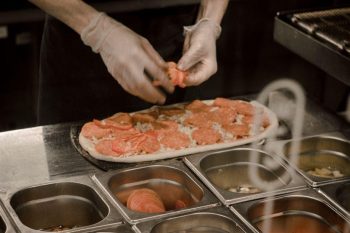
- Plating and pass: garnish bins, sauce bottles, crumbs from bread service, and gloved hands that touched the last plate.
- Service: trays and hands carrying several plates, and verbal orders that never reach the kitchen.
Cooking kills bacteria. It does nothing to an allergen. Separation and soap are your only real tools.
Controls for prep, storage and the fryer
Prep controls
FARE recommends dedicated utensils and cutting boards for allergy-free food preparation, and thorough washing of utensils and surfaces with soap and water before preparing allergen-free meals. Colour-coded boards and tools make the rule visible. Prep allergy orders first on a freshly cleaned station when you can.
Hand washing, not sanitiser
This is the detail most teams get wrong. FARE notes that bar and liquid soap remove protein from hands, while alcohol-based sanitiser does not. Make a fresh hand wash and a new pair of gloves the first step on every allergy ticket.
Storage controls
- Store allergen ingredients in sealed, labelled containers on lower shelves, below ready-to-eat items.
- Keep the original label or spec sheet for anything decanted, so you can check ingredients later.
- Re-check specs when a supplier substitutes a product; recipes change without warning.
Fryer controls
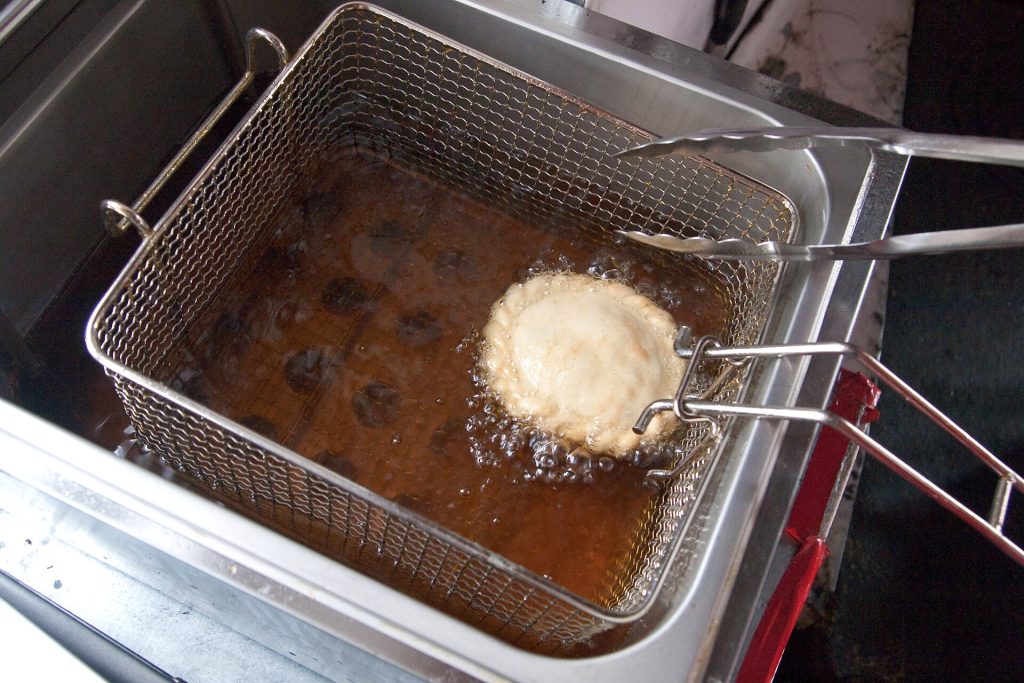
Shared oil is a real pathway. A University of Nebraska-Lincoln study reported by Food Safety Magazine found cashew protein in shared frying oil carried over into potato slices and peanuts fried afterwards, and that proper filtration before changeover cut the levels sharply. That work was done in a processing setting, but the lesson for a restaurant line is plain: decide which fryer is allergen-free and keep it that way.
- Dedicate one fryer to items free of the allergens you cook elsewhere, and label it.
- Don’t fry breaded or battered items that contain wheat, egg or milk in the dedicated fryer.
- If you only have one fryer, tell guests honestly that fried items share oil.
Oil management also affects quality and cost; our guide on how often to change fryer oil covers the maintenance side.
Training your team and the ticket flow
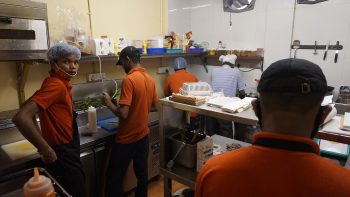
Controls only work if every shift follows them. Build the process around the ticket, so nobody has to remember it under pressure.
- Front of house asks. Servers ask about allergies at order, repeat the allergy back, and flag it in the POS.
- The ticket shouts. Use a distinct allergy modifier that prints in bold or a different colour.
- One person owns it. The chef or lead on the pass confirms the recipe against the allergen matrix.
- Clean start. Wash hands with soap, change gloves, use clean or dedicated tools.
- Separate delivery. The dish goes to the table on its own, run by someone who knows which seat it’s for.
Keep an up-to-date allergen matrix for every menu item, including sauces and garnishes, and review it whenever a recipe or supplier changes. Some states set their own rules on top of the Food Code, including required allergen training for managers, so confirm yours. You’ll find more in our food safety guides.
FAQ
Is cross-contact the same as cross-contamination?
No. Cross-contamination refers to pathogens, which cooking can usually control. Cross-contact refers to allergen proteins, which cooking does not remove.
Is sesame a major allergen in the US?
Yes. The FASTER Act made sesame the ninth major food allergen, effective January 1, 2023.
Can hand sanitiser remove allergens from hands?
No. FARE notes that soap and water remove allergen protein from hands; alcohol-based sanitiser does not.
Should we promise a dish is allergen-free?
Only if your process can support it. Many operators describe exactly what they do, such as a dedicated fryer or separate prep, and let the guest decide.
Run a one-shift allergen audit
Pick one busy shift this week and follow a mock allergy ticket from order to table. Note every board, glove, fryer and sauce bottle it touches, then fix the weakest point first. While you’re checking the line, revisit your cooling and holding procedures so allergen and temperature controls sit on the same checklist.
Featured photo: Pacific oyster from Brofjorden on a chopping board in Tuntorp by W.carter, BY-SA 4.0.