The broadline vs specialty food distributor decision comes down to one trade-off: a broadline house gives you one truck, one invoice and one rep for almost everything, while a specialty distributor gives you depth, product knowledge and often better quality in a single category. Most independent restaurants end up using both, with a broadline as the backbone and one to three specialists for the categories that define the menu.
The mistake is letting that mix happen by accident. Operators add a produce guy because a chef liked him, then a meat purveyor after one bad case of short ribs, and two years later nobody can say what the minimums, cut-offs or real prices are. This guide walks through the criteria that matter, what each budget tier usually looks like, and the questions to put to any rep before you sign anything.
Key takeaways
- Broadline distributors win on convenience and consolidated deliveries; specialty distributors win on depth, freshness and category expertise.
- Order minimums, delivery windows and cut-off times shape your labour and storage as much as price does.
- Ask how pricing is built (cost-plus, fixed markup or market) before you compare two quotes.
- Most independents run a broadline backbone plus one to three specialists for signature categories.
- Audit invoices against the agreed pricing every month, not just at signing.
What each type of distributor actually does
The International Foodservice Distributors Association groups its members into broadline, systems, convenience and specialty distributors. Systems distributors mostly serve chains on contract, so for an independent operator the real choice is between the first and last of those.
Broadline
A broadline distributor carries the full spread: dry goods, frozen, dairy, proteins, produce, disposables, chemicals and often smallwares. You order from one catalogue, receive one delivery and pay one statement. The scale is enormous. IFDA’s industry facts put deliveries at 12.8 billion cases a year to professional kitchens, around 35 million cases a day.
Specialty
A specialty distributor goes deep on one category: produce, seafood, meat, dairy and cheese, bakery, or imported and ethnic goods. Expect a narrower catalogue, more knowledgeable reps, and products a broadline either doesn’t stock or stocks in a single commodity grade. The trade-off is another truck at the back door, another invoice and another minimum to hit.
How to choose: the criteria that matter
Price per case gets all the attention, but it is only one line on the scorecard. Score each candidate on these before you compare quotes.
- Fill rate. How often does what you ordered actually arrive? Substitutions and shorts cost you more than a few cents a case.
- Order minimums. A dollar or case minimum you can’t hit comfortably means over-ordering or paying a small-drop fee.
- Delivery days and windows. Can they come on the days you need, before service prep starts?
- Order cut-off time. A late cut-off lets you order after the night’s counts; an early one forces you to guess.
- Credit and returns. How fast do they credit a rejected case, and does the driver sign off on it at the door?
- Rep quality. A good rep flags price spikes and suggests swaps. A weak one just takes orders.
- Ordering tools. Online ordering, order guides and invoice exports that feed your inventory or costing system save hours each week.
If you are still building your costing system, set that up first so you can compare suppliers on real plate costs. Our guide to keeping food costs in check covers the basics.
Broadline vs specialty, side by side
The table below is a general pattern, not a rule. Individual houses vary a lot, so treat it as a checklist of things to confirm with each rep.
| Factor | Broadline | Specialty |
|---|---|---|
| Catalogue | Very wide, shallow in each category | Narrow, deep in one category |
| Order minimums | Usually set per drop; small accounts may pay a fee | Often lower, but adds up across several vendors |
| Delivery frequency | Fixed route days | Often more frequent for perishables |
| Product knowledge | Generalist rep | Category specialist |
| Admin load | One invoice, one statement | Another vendor to receive, check and pay |
| Leverage | Volume across categories | Loyalty and relationship in one category |
| Best for | Dry goods, frozen, disposables, chemicals, commodity items | Produce, seafood, meat, cheese, bread, imported goods |
Buy commodities where it is cheapest to receive them, and buy your signature ingredients where the people know the most about them.
Pricing structures, decoded
Two quotes with the same case price can cost you very different amounts over a year, depending on how the price is built. Ask each rep which of these models applies, category by category.
Market or list pricing
The price is whatever the distributor sets that week. Simple, but you have no visibility into the margin, and prices can drift up quietly. Common for small accounts that haven’t negotiated anything.
Cost-plus
You pay the distributor’s cost plus an agreed markup, as a percentage or a fixed amount per case. It is more transparent, but only if you know what “cost” includes. Ask whether it is landed cost, whether it includes freight, and whether manufacturer rebates are passed through or kept.
Contract and locked pricing
Some items can be locked for a set period, which helps when you are printing menus. Watch for volume commitments attached to the lock.
Keep the distributor’s side in mind too. IFDA reports a median net profit margin of 1.8% for distributors in 2025, so there is less fat to squeeze than many operators assume. You often get further negotiating on delivery frequency, minimums and payment terms than on case price.
Payment terms matter most with produce. Under the Perishable Agricultural Commodities Act, the USDA notes that PACA prompt payment terms are usually 10 days, and any other terms must be agreed in writing before the transaction. If you see trust language on a produce invoice, that is why.
Setups by budget tier
How many vendors you can run depends on volume, storage and who has time to receive deliveries.
- Tight budget, low volume. One broadline for nearly everything, plus a cash-and-carry run for top-ups. Focus on hitting the minimum without over-ordering, and push for an order guide built around your actual menu.
- Mid-size independent. A broadline backbone and one specialist in the category that defines your menu, usually produce or protein. Negotiate cost-plus on your top 20 items by spend.
- High volume or chef-driven. A broadline for dry, frozen and non-food, plus two or three specialists for produce, protein and seafood or bakery. Put a secondary broadline on the approved list so you have a fallback when the primary shorts you.
More vendors means more receiving. Tighten your supplier management habits before adding a truck: checked invoices, temperature checks at the door, and one person accountable for credits.
Questions to ask a rep before you sign
- What is the order minimum per delivery, and what happens if we fall short?
- Which days do you deliver to our address, and what is the delivery window?
- What is the order cut-off time for next-day delivery?
- How is pricing built on each category, and how often does it change?
- Are manufacturer rebates or allowances passed through to us?
- What was your fill rate for accounts like ours last quarter?
- How are substitutions handled, and can we refuse them?
- What is the process and timeline for credits on rejected product?
- What are the payment terms, and are there fees for fuel, small drops or paper invoices?
- Can you export invoices in a format our inventory system can import?
Get the answers in writing, ideally attached to the account agreement. A verbal promise from a rep who changes territory in six months is worth very little.
FAQ
Can a small restaurant use only specialty distributors?
It can, but the admin load climbs fast. You would still need someone for disposables, chemicals and dry goods, so most small operators keep at least one broadline account.
Is a specialty distributor always more expensive?
Not always. Better yield from fresher produce or properly trimmed protein can offset a higher case price. Compare on usable cost per portion, not invoice price.
How often should I review distributor pricing?
Check your top items by spend every month, and do a full review with each rep at least once a year or whenever your menu changes.
Should I tell reps I am getting competing quotes?
Yes. It is normal practice, and reps expect it. Share the same item list with each so the quotes are comparable.
Your next step this week
Pull the last three months of invoices and list your top 25 items by spend. Mark which ones define your menu and which are commodities. That list is your brief: send the commodities to two broadline reps for quotes, and the signature items to one or two specialists, with the ten questions above attached.
Once the new setup is running, tie it into a simple weekly inventory routine so you catch price creep before it reaches your P&L.
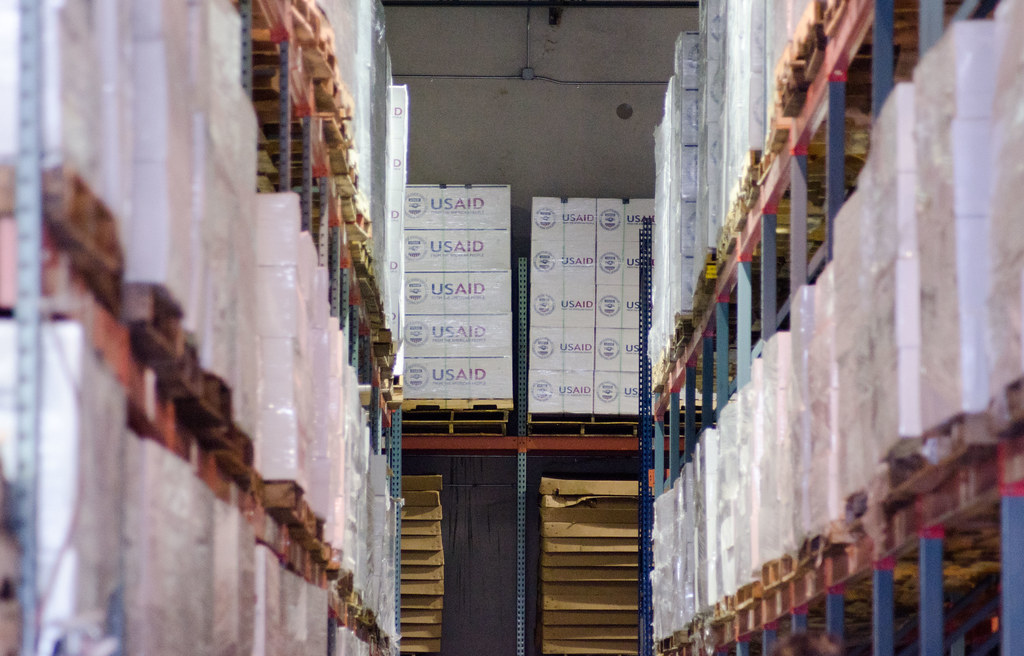
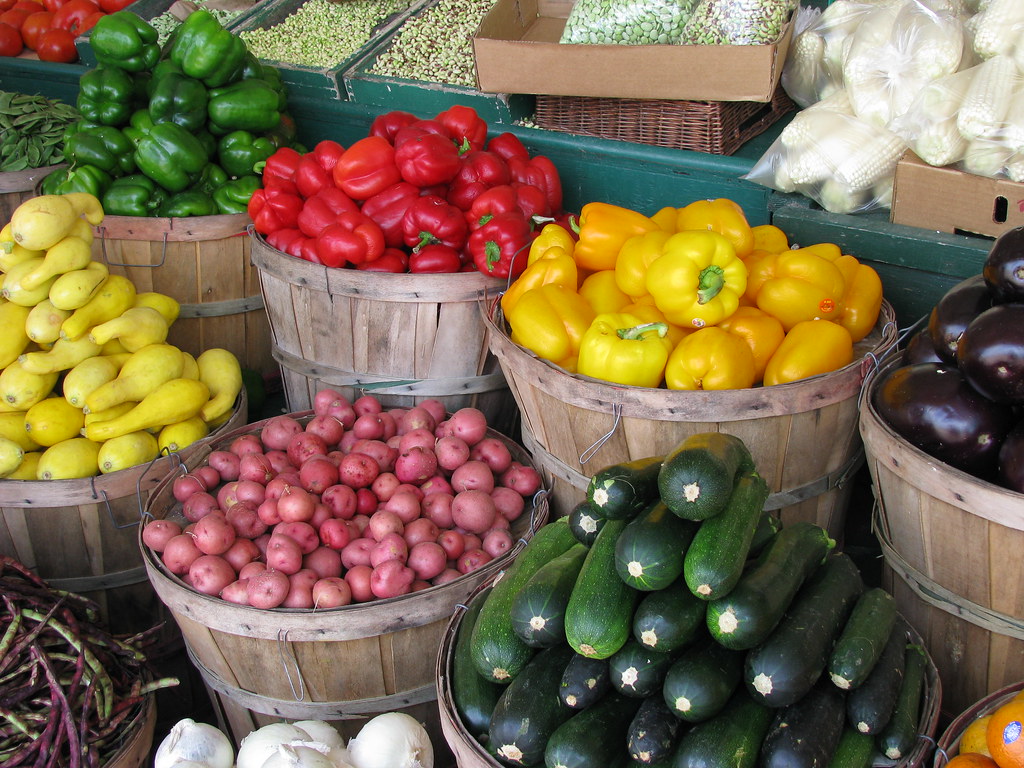
Featured photo: 20110826-FS-LSC-0071 by USDAgov, BY 2.0.