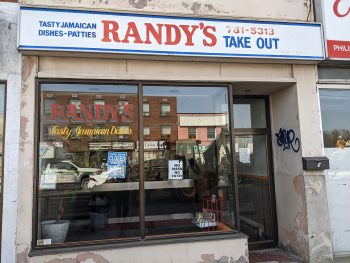
Local restaurant marketing starts at the street. Guests often decide before they check the menu. The storefront must tell them the cuisine, price level, mood, and service style fast.
Clear windows, visible menus, good lighting, and strong signage reduce hesitation. The goal is not to show everything. It is to make the first decision easy.
Visual marketing matters because restaurant discovery is increasingly image-led. Toast surveyed 850 weekly social media users and found that diners use restaurant social media to check food, atmosphere, and the overall dining experience before visiting.
Use Lighting as a Brand Signal
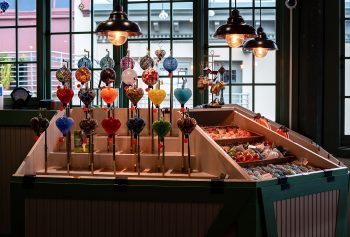
Lighting affects visibility, food appeal, and guest comfort. Warm light works well for dinner rooms. Brighter neutral light suits fast-casual counters, cafés, and bakeries. Outdoor lighting should make entrances feel safe and active.
Restaurants can use neon signs as part of this visual system. They work best when placed at a bar wall, host stand, window, or photo-friendly corner. The sign should support the restaurant identity, not replace it.
Avoid lighting that changes food colour. Strong blue, green, or red light can make dishes look less fresh in photos.
Design Menus for Fast Decisions
A menu is visual marketing. It shapes what guests notice, order, and remember. Good menu design uses spacing, hierarchy, and short descriptions. It should guide the eye toward signature items and profitable categories.
Limit visual clutter. Too many boxes, icons, and photos weaken the layout. If photos are used, they must match the actual plated dish.
Menu boards should be readable from the ordering point. Digital menus should load quickly and display well on phones.
Build a Consistent Visual System
Local restaurants often use too many disconnected visuals. A flyer looks different from the website. Social posts use different colours. Packaging has no link to the storefront. This weakens recognition.
A basic visual system should include:
- One primary logo version
- Two or three brand colours
- One headline font
- One body font
- Consistent food photography style
- Standard menu layout rules
- Clear signage templates
- Matching takeaway packaging
Consistency helps guests remember the restaurant after one visit.
Turn Food Presentation Into Marketing
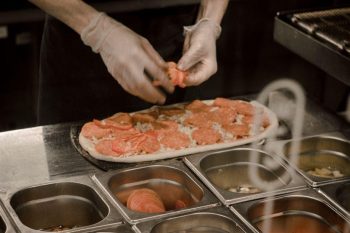
Food is the strongest visual asset. Plate design, garnish, portion structure, and servingware affect how dishes appear in person and online.
High-contrast plating helps food stand out. Matte plates reduce glare. Natural textures, such as wood, ceramic, and linen, add warmth without clutter.
Restaurants should test dishes under real table lighting. A dish that looks good in the kitchen may photograph poorly in the dining room.
Use Local Outdoor Visibility
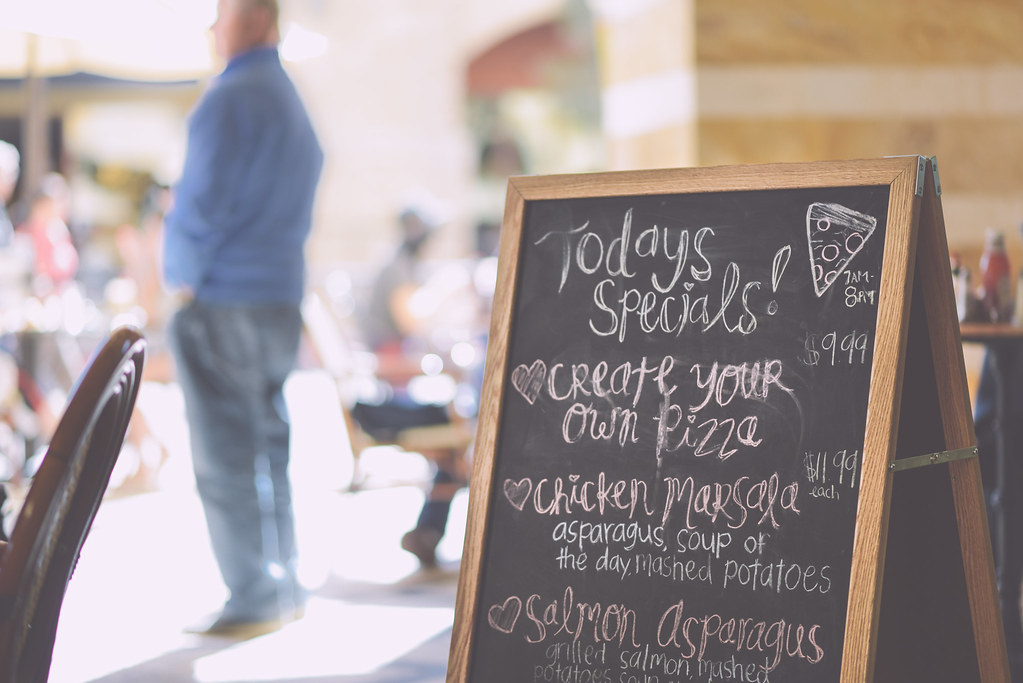
Local restaurants benefit from nearby traffic. Pavement signs, window decals, banners, and event signage can guide people from street level to the door.
Temporary signage is useful for lunch specials, catering, seasonal menus, openings, and community events. In some locations, custom yard signs can support off-site catering, pop-ups, farmers markets, or nearby directional messaging when local rules allow it.
The message should be simple. Use the restaurant name, offer, distance, and one action.
Make Social Content Match the Real Experience
Social media should not oversell the restaurant. Guests notice when the room, food, or service does not match online visuals.
Post content that reflects the real visit. Show plated dishes, staff movement, kitchen prep, table settings, drinks, outdoor seating, and busy service moments.
Short video is useful, but it must be clear. Film close to natural action. Avoid heavy filters that change food colour.
Brand Takeaway Packaging
Takeaway packaging travels beyond the restaurant. It can introduce the brand to offices, homes, parks, and events.
Good packaging needs both function and identity. Hot food needs venting. Sauces need secure lids. Fried food needs airflow. Labels should show the dish name, allergens, reheating notes, and brand mark.
Simple stickers, printed bags, and branded inserts can make takeaway feel more intentional.
Create One Photo-Worthy Area
A local restaurant does not need to become a photo studio. One strong visual area is enough. It may be a mural, textured wall, open kitchen view, dessert counter, branded mirror, or plant-filled corner.
Place it where it does not block service. Good photo spots work best near waiting areas, restrooms, bars, or entrances.
The area should feel natural to the concept. Forced photo walls become dated quickly.
Measure Visual Marketing Performance
Visual marketing should be reviewed like any other channel. Track what drives visits, orders, and engagement.
Useful signals include tagged photos, menu item sales, QR scans, website visits, review mentions, booking sources, and footfall during campaigns.
If guests mention the atmosphere, signage, packaging, or food presentation in reviews, the visual system is working.
Conclusion
Visual marketing helps local restaurants attract guests before the first bite. Storefront design, lighting, menus, food presentation, outdoor signage, packaging, and social content all shape demand.
The best ideas are practical and consistent. They make the restaurant easier to notice, easier to understand, and easier to remember.