Can one small grease trap problem really shut down a busy kitchen?
For many food service teams, the answer is yes, especially when grease, food scraps, and sludge build up out of sight. A clean trap helps protect drains, control odors, reduce health risks, and support smoother daily work. It also helps kitchens stay ready for inspections and avoid surprise repair bills.
This article explains how smart grease trap maintenance keeps commercial kitchens cleaner, safer, and more compliant.
Why Grease Trap Care Matters
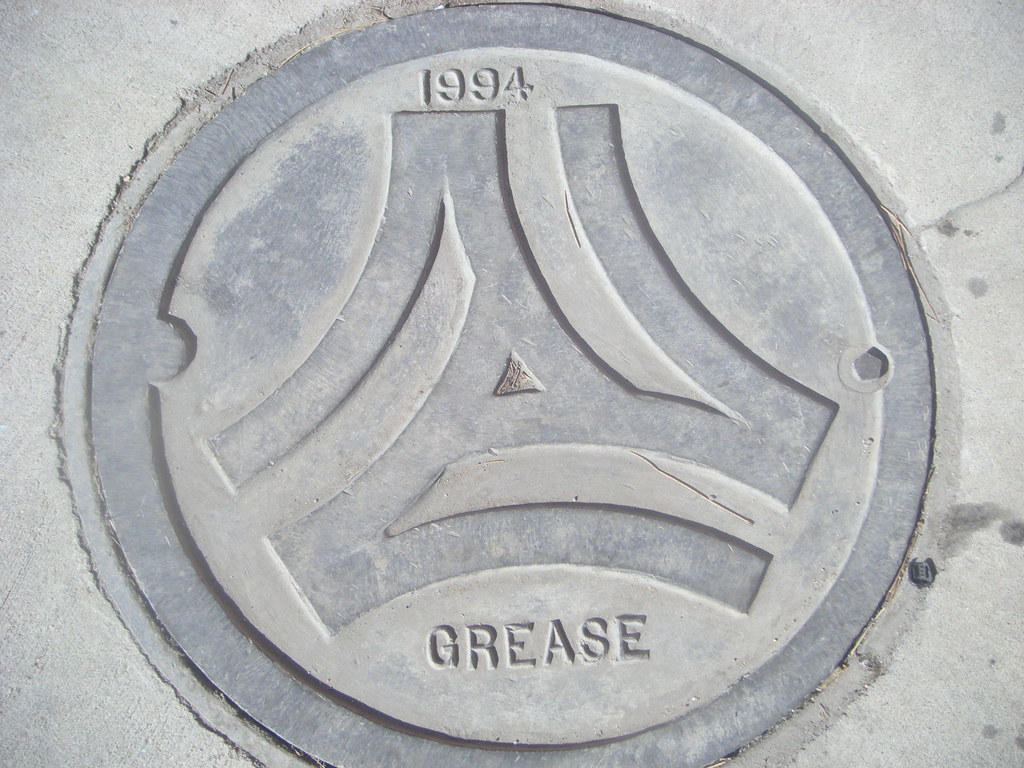
A grease trap catches fats, oils, grease, and food particles before they move into the sewer line. When it works well, wastewater flows more smoothly and plumbing problems are less likely. When it is ignored, the same trap can become a source of clogs, smells, and costly delays.
Kitchen compliance depends on more than clean counters and safe food storage. Inspectors may also look at how waste is handled and whether grease control is being managed properly. Regular service helps show that the kitchen is taking sanitation, plumbing, and local rules seriously.
Common Signs of Trouble
Slow drains are often one of the first signs that a grease trap needs attention. Water may take longer to leave sinks, floor drains, or prep areas after normal use. Staff should report these changes early because small drainage issues can turn into backups.
Bad odors are another warning sign that grease and food waste are breaking down inside the trap. A kitchen may also notice gurgling sounds, standing water, or visible grease near drain areas.
Simple Maintenance Habits
Daily habits make a major difference in how well a grease trap performs. Staff should scrape plates, pans, and trays into trash bins before washing them. Sink strainers can also catch food pieces before they enter the plumbing and add to buildup.
Managers should keep a clear cleaning schedule based on kitchen volume, trap size, and local rules. A high-volume restaurant may need service more often than a small cafe with light grease output. Professional help from https://affordableenvironment.com/ can also support cleaner records and more reliable waste handling.
What Professional Cleaning Includes
Professional grease trap cleaning does more than remove the top layer of grease. Technicians pump out waste, scrape trap walls, remove sludge, and inspect the system for signs of damage. This deeper process helps restore capacity and improves how the trap separates grease from wastewater.
Good service also includes safe disposal of collected waste according to local requirements. This step matters because grease waste should not be dumped into drains, storm systems, or regular trash areas. Proper disposal helps protect the business, the plumbing system, and the local environment.
Building a Compliance Routine
A strong compliance routine starts with written records. Keep service dates, inspection notes, manifests, and repair details in one easy place. These records can help during inspections and make it easier to spot patterns before problems grow.
Training is just as important as paperwork because staff actions affect the trap every day. New workers should learn what can and cannot go down the drain. When everyone follows the same habits, the kitchen has fewer surprises and a better chance of staying compliant.
Cleaner Kitchens Run Better
Grease trap maintenance is not just a back-of-house chore. It protects drains, supports cleaner work areas, and helps teams avoid stressful shutdowns. It also gives managers more control over costs and inspection readiness.
A steady maintenance plan keeps small issues from turning into major repairs. With the right habits and regular service, kitchens can stay safer, cleaner, and easier to manage.
Visit our blog for more articles!