The quantity of leftover food together with potential waste amounts quickly in restaurant BBQ kitchens and large public events. Different types of leftover food items from meat trimmings to excess sides together with unused sauces require attention because they produce significant waste that affects profit margins and environmental sustainability. Wasting leftovers goes beyond saving money since it embodies respect for the resources along with the work necessary to cook dishes.
Strategic planning of the storage process and ingredient repurposing methods allows barbeque professionals and home cooking enthusiasts to extend both fresh and cooked ingredients’ shelf life while minimizing waste. Improved kitchen productivity and enhanced customer happiness along with superior responsible cooking practices emerge from these practices. The integration of culinary innovation and effective management practices enables the best possible use of all grill-prepared food.
Proper Storage After Cooking
Correct storage of BBQ leftovers requires proper initial storage methods. Any unused meat must receive immediate cooling before placing it into sealed food containers to guard moisture alongside flavor preservation. Dating containers helps determine expiration dates to simplify supply management while operations remain active in the kitchen.
Baked beans along with slaws and grilled vegetables can be preserved by storing them at appropriate temperatures to use later. All wet food should stay away from dry goods to stop both the softening and deterioration of the meal. Commercial-grade refrigeration systems coupled with regular stock rotation are fundamental practices for sustaining food quality in both commercial BBQ restaurants and private BBQ preparations.
Creative Reuse Of Leftover Meats
The remaining meat from brisket or pulled pork or ribs offers possibilities to create innovative dishes rather than waste them. The shreds from BBQ meats function as ideal components for tacos, sandwiches, wraps together with enchiladas and casseroles. These ingredients work well in special menu items which help diversify dining options and attract customers who wish to discover novel dishes.
The restaurant staff should transform uneaten food into hearty dishes such as soups, stews or substantial salads. Chopped BBQ chicken combined with chopped sausage in fresh salad or grain bowl elevates the value of the meal while preventing food waste. Lighter or diverse customers will enjoy these particular offerings which expand BBQ cooking possibilities past the traditional grill setup.
Utilizing Sides And Ingredients Effectively
Raw sauces and side dishes made for bulk production become wasted when improper storage or repurposing practices are not employed. The extra cornbread can become croutons while also suitable for stuffing creation. Storing slaws together with pickled items sufficiently cold and in good condition enables their use as decorative garnishes and characteristic ingredients in novel dish blends.
Safe-to-use sauces and rubs should be included within fresh marinades and glazes for new dishes. The food preparation elements can create unique house-made condiments that enhance dining experiences by serving as dip sauces for other menu items. The reuse of these elements lowers the food expenses while extracting maximum value from the BBQ cooking flavors.
Planning Portions And Service More Carefully
Substantial waste management begins at an early stage before starting the grill. The analysis of previous eating patterns allows restaurants to plan portions accurately thus minimizing their remaining food output. By examining restaurant sales patterns together with peak customer hours the staff can determine their cooking quantities better for each dish. Residential cooks can modify their recipes according to expected dinner guest numbers.
Restaurants should use smaller cooking preparations throughout lower traffic periods as a solution to limit food surplus. The preparation of meats for grilling should be delayed until patrons request specific dishes to maintain freshness in the served menu items. Freshly cooked meals become available to customers while leftovers decrease so the dining experience improves.
Maintaining Clean Equipment For Safe Storage And Reuse
Managing food leftovers requires proper maintenance along with regular equipment cleaning of grills. Regular equipment cleaning maintains low contamination risks therefore making leftover food suitable for human consumption. A professional BBQ cleaning service provides complete maintenance of smokers and grills while eliminating all dangerous buildup of residues and grease.
A trustworthy BBQ cleaning company assists in increasing the operational lifespan of kitchen equipment thus benefiting large-scale food service businesses. The cleaning of equipment helps produce quality-tasting food along with safer handling conditions that improve both food safety and overall quality during repurposing leftover meals.
Conclusion
To properly handle leftovers while minimizing waste in BBQ cooking one must use a combination of forward thinking and inventive methods. Multiple strategies to minimize waste and boost value involve proper storage with portioning techniques as well as turning unused food into fresh menu selections. A BBQ cleaning service supports these environmental and customer safety efforts by maintaining cleanliness in the cooking environment. Restaurant professionals together with home chefs can establish sustainable BBQ cooking methods through best-practice application of ingredient value.
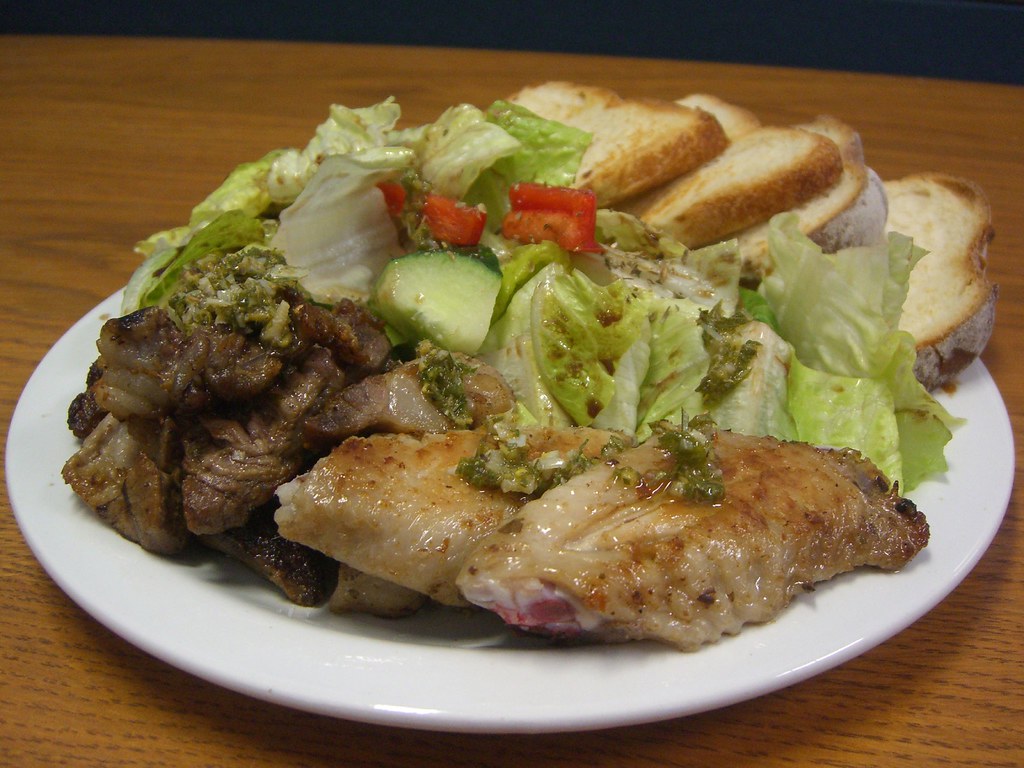
Featured photo: BBQ Leftover lamb and chicken wings, salad and toast by avlxyz, BY-SA 2.0.