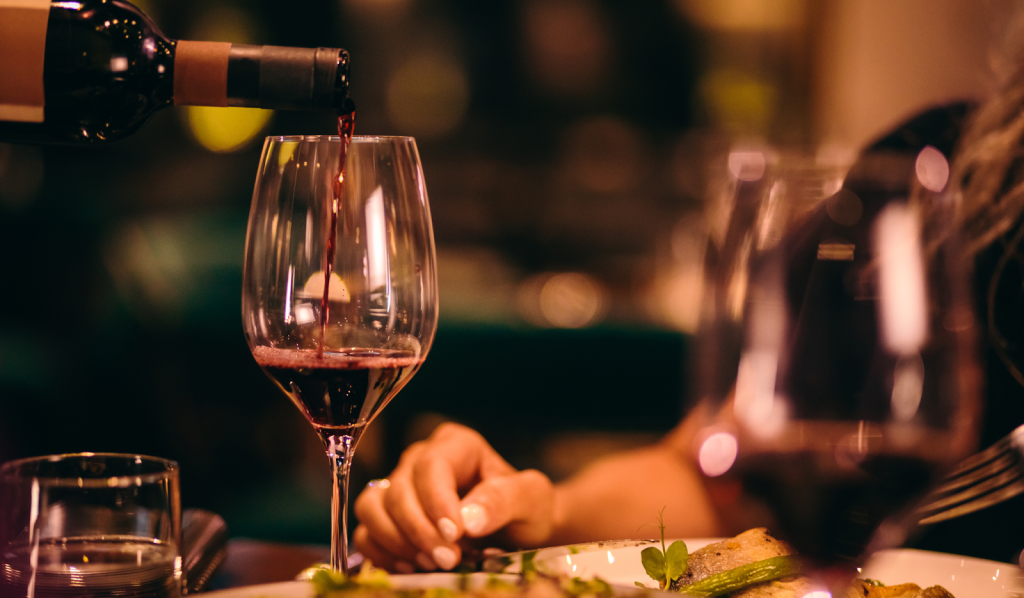
Pairing food and wine can transform a meal into an unforgettable dining experience. The right wine elevates flavors, balances textures, and creates a seamless connection between each dish. From robust reds to crisp whites and sparkling varieties, every wine carries its own unique profile. Understanding how to match these profiles with specific foods can take even the simplest meal to new heights.
Creating successful pairings involves more than selecting red or white. It requires an appreciation of wine characteristics like acidity, tannins, body, and sweetness. These elements interact with various foods in ways that can either enhance or clash with the flavors. For instance, a high-acid wine can cut through rich, fatty dishes, while a sweet wine can provide a perfect contrast to spicy foods. Learning how to identify these nuances helps in crafting combinations that bring out the best in both the wine and the dish.
Occasions also play a vital role in wine selection. A casual brunch with friends may call for a refreshing, light-bodied white, while a formal dinner might demand a full-bodied red with bold tannins. Special celebrations often include sparkling wines that can cleanse the palate and add a celebratory note to the meal. California Champagne Sabers offers a range of champagne options that elevate any occasion, turning a simple toast into a memorable experience. For those seeking premium wine accessories and glassware, https://www.wine-n-gear.com/ provides an extensive selection of wine tools and glassware that enhance the dining experience, from champagne flutes to elegant decanters. When chosen thoughtfully, each element—from the wine itself to the vessel it’s served in—can contribute to an exceptional dining moment that lingers long after the last sip.
Understanding Wine Characteristics
Selecting the perfect wine for a meal begins with understanding the key characteristics that define each type. Acidity, tannins, body, sweetness, and alcohol content all play a role in how wine interacts with food. Each of these components contributes to the overall experience, influencing how the wine complements or contrasts with the dish.
- Acidity: Wines with higher acidity, such as Sauvignon Blanc and Pinot Grigio, provide a crisp, refreshing sensation that can cleanse the palate and cut through rich, fatty dishes. Acidity also brings balance to creamy or buttery foods, preventing the flavors from becoming overly heavy. For instance, a zesty Sauvignon Blanc can enhance the flavors of a lemon-infused chicken dish or a seafood platter with a rich, buttery sauce.
- Tannins: Tannic wines like Cabernet Sauvignon and Syrah deliver a distinct drying sensation on the palate. This astringency helps to counteract fatty and protein-rich foods, making tannic wines an excellent match for grilled meats, roasted lamb, and aged cheeses. The tannins in these wines bind to proteins and fats, creating a smoother, more balanced tasting experience.
- Body: The body of a wine refers to its overall weight and mouthfeel, ranging from light-bodied to full-bodied. Light-bodied wines, such as Pinot Noir or Chenin Blanc, are more delicate and versatile, pairing well with lighter dishes like grilled chicken, roasted vegetables, or seafood. Full-bodied wines, such as Malbec and Zinfandel, carry bold, intense flavors that can stand up to rich, hearty dishes like beef stew or braised short ribs.
- Sweetness: Sweet wines like Moscato and Riesling bring a touch of sweetness that can provide contrast to spicy or salty foods. The residual sugars in these wines can soften the intensity of spicy dishes, making them ideal for pairing with fiery Thai or Indian cuisine. Additionally, sweet wines can complement desserts, creating a harmonious end to a meal.
- Alcohol Content: Higher alcohol wines feel heavier and more warming on the palate. These wines work best with robust, flavorful dishes such as grilled meats, barbecued ribs, or richly spiced stews. Lower alcohol wines offer a lighter, more refreshing experience, making them suitable for lighter fare like salads, seafood, and light pasta dishes.
Balancing these elements ensures that neither the food nor the wine overpowers the other, resulting in a harmonious dining experience that enhances both the meal and the wine.
Classic Food and Wine Pairings
Some combinations are tried and tested for a reason—they work beautifully together. These classic pairings highlight how specific wine profiles interact with particular food textures and flavors, creating an elevated dining experience:
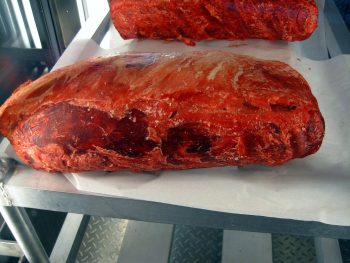
- Steak and Cabernet Sauvignon: The rich, robust flavors of a well-cooked steak align perfectly with the bold tannins in Cabernet Sauvignon. The tannins bind to the proteins in the meat, creating a smooth, satisfying finish that enhances the meat’s savory flavors. A well-marbled ribeye or porterhouse steak benefits from the wine’s structured profile, while a leaner cut like filet mignon pairs well with a softer, fruit-forward Cabernet.
- Salmon and Pinot Noir: The delicate, earthy notes of Pinot Noir complement the oily richness of salmon without overpowering its subtle flavors. A lightly oaked Pinot Noir brings hints of red fruit and earthy undertones that align beautifully with grilled or baked salmon, especially when served with a mushroom-based sauce or a tangy balsamic reduction.
- Oysters and Champagne: The high acidity and effervescence of Champagne cleanse the palate after each briny, salty bite of oysters. The bubbles in Champagne provide a refreshing contrast to the creamy texture of fresh oysters, while the wine’s minerality enhances the oysters’ natural sea flavors. A crisp, dry Brut Champagne works particularly well with raw oysters, while a richer, slightly sweeter Blanc de Blancs can elevate oysters Rockefeller or baked oyster dishes.
- Spicy Asian Cuisine and Riesling: Sweet, aromatic Riesling tempers the heat of spicy dishes, creating a cooling effect that enhances both the wine and the food. The wine’s bright acidity and slight sweetness offset the intensity of spicy curries, Szechuan dishes, and chili-infused sauces. Opt for an off-dry Riesling to strike the perfect balance between sweetness and acidity.
- Dark Chocolate and Port: The rich, sweet intensity of Port wine mirrors the deep, bittersweet flavors of dark chocolate, making for a decadent dessert pairing. Tawny Port, with its caramel and nutty notes, complements dark chocolate with hints of almond or hazelnut, while Ruby Port’s deep berry flavors align with chocolate infused with raspberries or blackberries.
Crafting Pairings for Specific Occasions
While classic pairings are reliable, thinking outside the box can lead to surprising and memorable combinations. Consider these scenarios:
- Brunch with Friends: Start with a crisp, light-bodied Prosecco to pair with smoked salmon bagels. The wine’s citrus notes cut through the richness of the salmon, while the bubbles provide a refreshing lift to the overall meal. For a savory quiche or vegetable frittata, a delicate Rosé offers a fruity, floral profile that complements both eggs and fresh herbs.
- Casual Weeknight Dinner: For a simple pasta dish with tomato-based sauce, a medium-bodied Merlot adds layers of berry, plum, and subtle spice. The wine’s smooth texture aligns with the acidity of the tomatoes, creating a cohesive pairing.
- Romantic Date Night: Opt for a bold, fruit-forward Malbec alongside a grilled ribeye steak. The wine’s dark fruit notes and firm tannins provide a satisfying contrast to the meat’s hearty texture, while a touch of oak adds depth to the overall pairing.
- Celebratory Toast: A sparkling Rosé brings a sense of festivity to a cheese platter featuring creamy Brie, tangy goat cheese, and sharp cheddar. The bubbles cleanse the palate, while the wine’s subtle fruitiness balances the richness of the cheeses.
Creating a Wine Tasting Experience
Hosting a wine tasting event can be an engaging way to explore different pairings. Consider these steps:
- Select a Theme: Focus on specific regions, grape varieties, or wine styles. This approach creates a cohesive tasting experience and encourages guests to explore new flavors.
- Choose Diverse Wines: Include a range of reds, whites, and sparkling wines to showcase contrasting profiles and highlight different pairing possibilities.
- Prepare Food Pairings: Offer small bites like cheese, olives, chocolate, and charcuterie to complement each wine. Include a mix of salty, sweet, savory, and spicy options.
- Encourage Note Taking: Provide guests with tasting cards to jot down impressions and preferences, making the experience more interactive.
- Discuss Pairing Principles: Highlight why each wine was chosen for each dish, helping guests understand how to apply these principles to future meals.
Pairing Wine with Vegetarian and Vegan Dishes
Plant-based meals can shine just as brightly as meat-based dishes when paired with the right wine. Each ingredient presents unique flavors and textures that can either harmonize or contrast with various wine profiles. Here are some thoughtful pairings:
- Mushroom Risotto and Chardonnay: The creamy, velvety texture of mushroom risotto calls for a full-bodied Chardonnay with a buttery finish. The wine’s oaky notes complement the earthiness of mushrooms, while its acidity balances the richness of the dish. A lightly oaked Chardonnay enhances the risotto’s creamy consistency, while a more robust, aged Chardonnay brings out deeper, toasted flavors that align beautifully with truffle-infused mushrooms.
- Grilled Vegetables and Sauvignon Blanc: Charred vegetables like zucchini, bell peppers, and asparagus carry smoky, slightly bitter undertones that pair well with the herbal, grassy notes of Sauvignon Blanc. The wine’s zesty acidity cuts through the caramelized exterior of the vegetables, refreshing the palate between bites. For a bolder combination, consider a Sauvignon Blanc with pronounced citrus notes to elevate the brightness of lemon-marinated grilled vegetables.
- Spicy Lentil Curry and Gewürztraminer: Lentil curry, with its warming spices and rich, hearty texture, benefits from the aromatic profile of Gewürztraminer. This slightly sweet, floral wine contrasts the heat from chili and cayenne while highlighting the earthy, nutty flavors of lentils. The wine’s lychee and rose petal notes add an unexpected layer of complexity, making each bite more intriguing.
- Vegan Pizza and Chianti: The acidity of a Chianti complements tomato-based vegan pizza by enhancing the tartness of the tomato sauce and balancing the creaminess of plant-based cheese. Chianti’s medium tannins provide structure without overwhelming lighter toppings like spinach, olives, or artichokes. For a bolder vegan pizza with hearty toppings like plant-based sausage or mushrooms, opt for a reserve Chianti with more pronounced earthy, spicy notes.
- Roasted Root Vegetables and Zinfandel: Earthy, caramelized root vegetables such as sweet potatoes, carrots, and parsnips find their ideal partner in a fruit-forward Zinfandel. The wine’s ripe blackberry and peppery undertones align with the natural sweetness of the vegetables while adding a touch of spice that deepens the overall flavor profile.
Pairing Wine with International Cuisines
Exploring international cuisines opens the door to a wider variety of wine pairings. Each culture’s culinary traditions introduce new flavor profiles, textures, and preparation techniques that can be beautifully complemented by specific wines.
- Italian Cuisine:
- Pizza Margherita and Chianti: The simplicity of fresh tomatoes, basil, and mozzarella aligns perfectly with the acidity and red fruit notes of Chianti.
- Osso Buco and Barolo: The rich, slow-cooked meat of Osso Buco demands a wine with robust tannins and complexity. Barolo, with its bold structure and earthy undertones, cuts through the richness of the meat, balancing the overall experience.
- French Cuisine:
- Coq au Vin and Pinot Noir: The tender chicken and savory, wine-based sauce in Coq au Vin mirror the earthy, cherry-infused notes of a well-aged Pinot Noir.
- Ratatouille and Rosé: The vibrant, herbaceous medley of vegetables in Ratatouille pairs well with a dry, crisp Rosé, which refreshes the palate after each flavorful bite.
- Mexican Cuisine:
- Spicy Tacos and Riesling: The sweetness of an off-dry Riesling tempers the heat of spicy tacos while enhancing flavors like cilantro, lime, and chili.
- Mole Poblano and Malbec: The dark, cocoa-rich complexity of mole sauce finds its match in the deep, fruit-forward profile of Malbec.
- Japanese Cuisine:
- Sushi and Sparkling Brut: The high acidity and effervescence of a Brut Champagne cleanse the palate between bites of sushi, allowing each piece to shine.
- Teriyaki Salmon and Pinot Noir: The sweet, umami glaze of teriyaki salmon pairs well with a light, fruit-driven Pinot Noir, whose subtle tannins highlight the fish’s smoky caramelization.
Crafting Memorable Dessert Pairings
Dessert wine pairings can elevate the final course, bringing out the richness of sweets while preventing the wine from feeling too cloying. Consider these combinations:
- Dark Chocolate Tart and Tawny Port: Tawny Port’s nutty, caramelized notes complement the bittersweet intensity of dark chocolate. The wine’s aged, mellow sweetness provides balance without overpowering the dessert. For added depth, a vintage Tawny with hints of dried fruit can add complexity to each bite.
- Lemon Cheesecake and Moscato d’Asti: The zesty brightness of lemon cheesecake finds its perfect match in the light, fizzy profile of Moscato d’Asti. This sweet, low-alcohol wine refreshes the palate while maintaining a delicate floral finish that enhances the citrusy notes.
- Pecan Pie and Madeira: Rich, buttery pecan pie demands a fortified wine with enough structure to stand up to the dessert’s intense sweetness. Madeira’s dried fruit, caramel, and nutty flavors mirror the toasted, caramelized notes in the pie, creating a harmonious pairing.
- Fruit Tart and Riesling: The natural acidity and light sweetness of Riesling complement fruit tarts featuring fresh berries, stone fruits, or citrus custard. A late-harvest Riesling provides enough body to match the tart’s richness without overwhelming the delicate fruit flavors.
- Vanilla Bean Crème Brûlée and Sauternes: The creamy, custardy texture of crème brûlée contrasts beautifully with the syrupy, honeyed notes of Sauternes. This classic pairing brings out the vanilla’s subtle sweetness while balancing the wine’s lush, apricot-infused character.
Enhancing the Dining Experience Through Thoughtful Pairings
Selecting the perfect wine pairing requires more than simply choosing a red or white. It’s a thoughtful process that involves balancing flavors, textures, and intensities to create a harmonious dining experience. Bold, full-bodied wines elevate hearty, richly flavored dishes, while lighter, more delicate wines enhance subtle, nuanced meals. Understanding how wine characteristics such as acidity, sweetness, and tannins interact with different foods can transform a simple meal into a memorable occasion.
Acidity can cut through rich, fatty foods, cleansing the palate and preventing the dish from feeling overly heavy. Sweet wines offer a cooling contrast to spicy dishes, while tannins in full-bodied reds bind with proteins, creating a smoother, more balanced finish. Each wine serves a distinct purpose, from enhancing creamy sauces to balancing smoky, grilled meats.
The texture of a dish is equally important. Creamy sauces work beautifully with buttery Chardonnays, while the crisp bubbles of sparkling wine can refresh the palate between bites of crunchy, fried foods. When it comes to dessert, matching sweetness levels ensures the wine doesn’t taste overly bitter or sour, maintaining harmony from the first sip to the last bite.
Whether hosting a dinner party, planning a romantic evening, or creating a casual gathering with friends, thoughtful wine pairings can elevate every meal, adding depth, complexity, and a touch of sophistication. Each element, from the wine itself to the glassware it’s served in, contributes to the overall experience, creating lasting impressions that linger long after the meal is over.