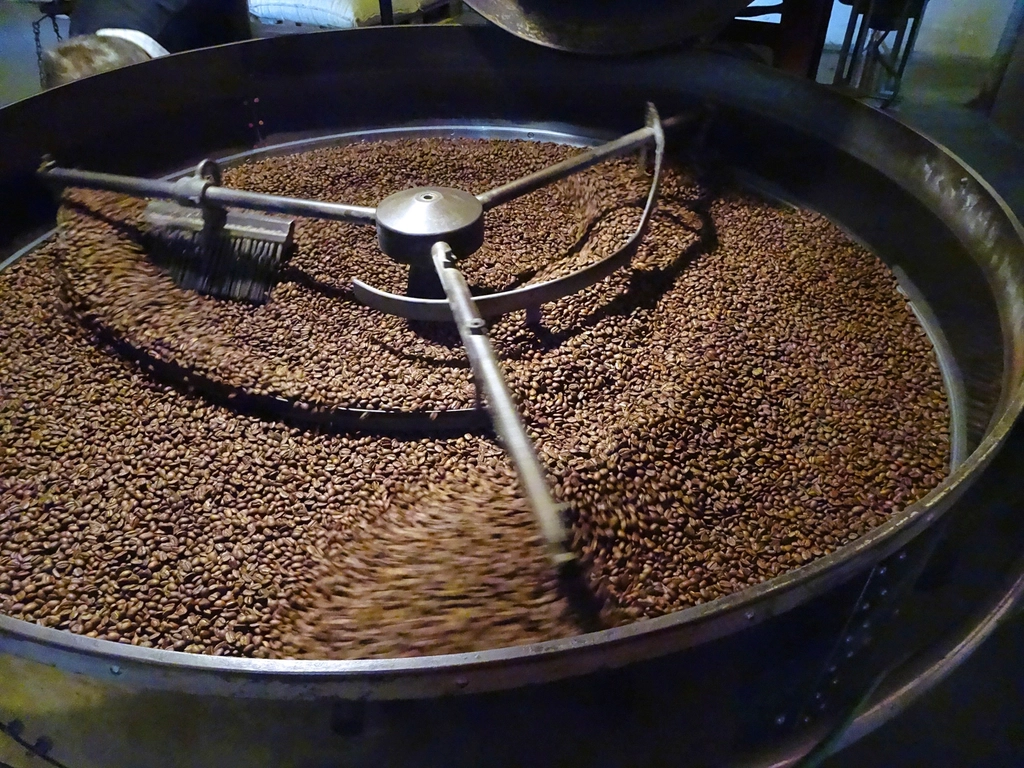
Every cup of coffee is shaped by the bean. Brewing equipment and technique matter, but the bean sets the ceiling. If the green beans were poorly grown, harvested too early, or stored badly, no level of skill can rescue the flavor. On the other hand, well-grown and freshly roasted beans deliver clarity, complexity, and balance.
Specialty graders score beans on a 100-point scale. Anything above 80 earns a “specialty” label, while below that is considered commercial-grade. Most coffee on supermarket shelves falls far short of specialty standards. The difference is obvious when you learn how to judge bean quality yourself.
1. Check the Bag
The packaging often reveals how much the roaster values quality.
- Roast date — Coffee begins losing volatile compounds within days of roasting. A bag with a clear roast date shows accountability. “Best before” tells you nothing about when the beans were roasted, which often means they’ve been sitting for months.
- Origin details — High-quality beans carry an identity. The bag should list at least the country, region, or farm. If it tells you the processing method (washed, natural, honey) and altitude, that’s even better. Vague “premium blend” language hides the lack of traceability.
- Tasting notes — Descriptions like “raspberry, caramel, jasmine” signal that the roaster cupped the beans and found distinct qualities. Marketing fluff like “smooth and bold” usually points to commodity coffee.
- Bag design — Good roasters protect their beans with resealable packaging and one-way valves. This design lets gas escape without letting oxygen in. If you see a thin bag with no valve, freshness wasn’t a priority.
A roaster who shares details openly usually sources with care.
2. Inspect the Beans
Your eyes can pick up what words on a bag don’t say.
- Uniformity — Beans should be consistent in size and shape. Variation suggests a mix of different crops or poor sorting. Inconsistent beans roast unevenly, leaving you with a mix of bitter and underdeveloped flavors in the cup.
- Defects — Watch for cracked beans, insect holes, or fragments. These defects alter extraction and drag down flavor. Specialty-grade beans undergo sorting to remove them, while lower grades let them slip through.
- Surface — Medium and light roasts should look dry and matte. If they glisten with oil, the beans either roasted too hot or have been sitting long enough for oils to migrate to the surface and oxidize. Darker roasts can carry some oil, but if they feel greasy, staleness has set in.
- “Quakers” — These pale beans didn’t ripen fully before harvest and resist caramelization during roasting. They stand out as lighter-colored beans in the bag. Even a few can flatten sweetness and introduce papery notes.
Quality shows in consistency. If the beans look mismatched or tired, they’ll taste the same.
3. Smell Test
Aroma is the most immediate indicator of freshness.
Fresh beans release volatile compounds that rush out the moment you open the bag. Fruity origins like Ethiopia often smell like blueberries or citrus. Central American coffees lean toward caramel and nuts. A fresh bag carries strength and clarity in aroma.
Stale beans smell flat, papery, or even woody. The aroma feels muted, as though the life has been drained from the coffee. If the bag gives you little more than the smell of cardboard, the beans are past their prime.
4. Freshness Window
Even the best beans fade. Timing matters.
- Roast window — Most beans taste best within 2–6 weeks of roasting. Early on, carbon dioxide still releases from the beans, which can disrupt extraction. After two months, most coffees lose their character and lean dull.
- Whole vs. ground — Grinding accelerates staling by exposing more surface area. Whole beans preserve aroma much longer. Grind just before brewing to keep flavor intact.
- Storage — Keep beans in a sealed bag or airtight container, away from light, heat, and moisture. The fridge and freezer add humidity and odors that compromise flavor.
Fresh beans don’t just taste better. They allow more control in brewing, giving you sweetness, balance, and repeatable results.
5. Taste Test
The brew tells you what packaging and aroma cannot hide.
- Flavor — High-quality beans carry layers: fruit, floral, nut, chocolate, spice. Each sip reveals something beyond “coffee flavor.” Commodity beans often taste one-dimensional, either burnt or bitter.
- Acidity — Quality acidity feels lively and refreshing, like a crisp apple or citrus. Poor beans skew sour, sharp, or lifeless.
- Balance — In good beans, sweetness, bitterness, and acidity meet in harmony. When one dominates—usually bitterness—it signals low-grade coffee or flawed roasting.
- Aftertaste — A clean finish lingers pleasantly. Poor beans leave dryness, ash, or rubbery notes.
Taste confirms what your eyes and nose already suggested. Quality beans shine in the cup with clarity and balance.
6. Certifications and Sourcing
Labels hint at farming practices and traceability.
- Organic reduces reliance on chemical fertilizers and pesticides.
- Fair Trade and Rainforest Alliance connect farming with sustainability and ethics.
- Direct Trade means roasters buy directly from producers, often paying above-market prices to secure top lots.
Certifications aren’t perfect, but they often align with greater care in production. A roaster who shares farm relationships and pays for transparency is signaling pride in the beans they sell.
7. Price and Roaster Reputation
Price reflects the work behind the bean.
High-quality coffee costs more because it demands selective harvesting, careful processing, and slower roasting. Cheap bulk beans are stripped of identity and roasted dark to cover defects.
Trustworthy roasters publish sourcing information, highlight seasonal lots, and keep roast dates visible. They invite you to explore and learn. That openness is part of the quality promise. A good example is Verena Street Coffee Roasters, who are known for transparent sourcing, small-batch roasting, and freshness that you can taste.
8. Red Flags
Signs that your beans won’t deliver:
- No roast date, only “best before.”
- Oily beans across the board, even in medium roasts.
- Aroma that fades the moment you open the bag.
- Flavor that’s dominated by bitterness with no sweetness.
- Suspiciously low price for “specialty” claims.
The Final Check on Your Beans
Judging bean quality comes down to sight, smell, and taste. Look for clear roast dates, uniform beans, and strong aroma. Taste for balance, depth, and a clean finish. Over time you’ll build confidence in spotting great beans and avoiding the ones that disappoint.
The best beans don’t just make a better cup. They make the whole coffee experience more enjoyable.