Restaurant pest control is mostly prevention: keep pests out, take away their food, water and shelter, and bring in a licensed professional for monitoring and treatment. The FDA Food Code requires the premises to be kept free of insects, rodents and other pests, and it names the basic tools: sealed outer openings, routine inspections, control devices and removing the conditions pests need to live.
Spraying after you see a cockroach is the most expensive way to handle it. The cheaper way is a routine.
This checklist turns the Food Code’s pest provisions and integrated pest management advice from the EPA and university extension into tasks you can tick off every week, month and inspection cycle.
Key takeaways
- The Food Code requires outer openings to be protected with sealed gaps, tight-fitting windows and solid, self-closing, tight-fitting doors.
- Food must be stored at least 6 inches (15 cm) above the floor, which also makes inspection and cleaning possible.
- UC IPM notes house mice can squeeze under gaps a quarter inch tall; seal with metal or concrete, not foam.
- Rodent bait must be in covered, tamper-resistant bait stations, and restricted-use pesticides need a certified applicator.
- Keep service reports, sighting logs and corrective actions in one binder for inspectors.
What the Food Code requires
The FDA Food Code is a model code that state, local and federal jurisdictions adopt, sometimes with changes, so check your own health department’s version. In the 2022 edition, section 6-501.111 says the premises shall be maintained free of insects, rodents and other pests, through routine inspection of incoming shipments and the premises, trapping and control devices, and eliminating harborage conditions.
Other sections fill in the detail. Chapter 6 requires dead or trapped pests to be removed often enough to prevent accumulation, decomposition or attracting more pests, and it says insect electrocution devices must retain the insects and must not be placed over food preparation areas. Chapter 7 requires rodent bait to be in a covered, tamper-resistant bait station and says restricted-use pesticides may only be applied by a certified applicator or under their direct supervision.
| Food Code section | What it covers |
|---|---|
| 3-305.11 | Store food at least 15 cm (6 inches) above the floor |
| 6-202.13 | Insect electrocution devices retain insects; not over food prep |
| 6-202.15 | Protect outer openings against insects and rodents |
| 6-501.111 | Keep premises free of pests; inspect, trap, remove harborage |
| 6-501.112 | Remove dead or trapped pests promptly |
| 7-206.12 | Rodent bait in covered, tamper-resistant stations |
Exclusion checklist: doors, gaps and openings
Exclusion is the cheapest pest control you will ever buy. Under section 6-202.15, outer openings must be protected by filling or closing holes and gaps along floors, walls and ceilings, closed tight-fitting windows, and solid, self-closing, tight-fitting doors.
How small is small enough? The University of California’s UC IPM guide to house mice says mice can squeeze under gaps a quarter inch tall and through openings three-eighths of an inch wide. It recommends sealing foundation cracks and gaps around pipes, vents and cables with metal or concrete, and warns that plastic, rubber, vinyl, expanding foam and wood can be gnawed through.
- ☐ Back and side doors close and latch on their own; check the closer monthly.
- ☐ No daylight under or around any exterior door; fit door sweeps where needed.
- ☐ Delivery doors stay shut between drops, not propped open during a long unload.
- ☐ Gaps where pipes, cables and vents pass through walls are sealed with metal or concrete.
- ☐ Windows or doors opened for ventilation have 16-mesh screens or an air curtain, as the Food Code allows.
- ☐ Wall-floor junctions, especially behind equipment, have no holes or broken coving.
- ☐ Drain covers are in place and floor drains are cleaned.

Sanitation and storage checklist
Pests need food, water and shelter. Sanitation takes away the first two; good storage takes away the third. UC IPM makes the point for mice: good sanitation will seldom completely control them on its own, but poor sanitation lets them thrive in greater numbers.
Daily
- ☐ Sweep and mop under and behind cooking lines, not just the open floor.
- ☐ Clear food debris from gaskets, shelving and the space under equipment.
- ☐ Fix dripping taps and wipe up standing water around dish areas and ice machines.
- ☐ Empty and clean bins in the kitchen before close.
Weekly and on receiving
- ☐ Inspect incoming deliveries for droppings, gnaw marks or live insects before you accept them.
- ☐ Break down and remove cardboard promptly; it is shelter and food for cockroaches.
- ☐ Store all food at least 6 inches off the floor, as section 3-305.11 requires.
- ☐ Keep dry goods in sealed, labelled containers and rotate stock first in, first out.
- ☐ Pull equipment out on a schedule and clean behind it.
A pest problem almost always starts as a housekeeping problem somebody walked past.
Grease, waste and the outside of the building
The outside of the building is where many infestations begin. The Food Code requires outdoor refuse areas to be curbed and graded to drain, and the premises to be free of litter and unnecessary nonfunctional equipment.
- ☐ Dumpster lids stay closed, and the pad around it is swept and hosed.
- ☐ Grease containers are closed and spills are cleaned the same day.
- ☐ Grease traps or interceptors are pumped on schedule.
- ☐ Old equipment, pallets and junk are removed from the yard.
- ☐ Vegetation and mulch are kept back from the walls.
- ☐ Recycling is rinsed and stored away from the back door.
For more on keeping back-of-house spaces clean, see our kitchen cleaning schedule.

Working with a licensed pest control operator
The EPA describes integrated pest management as a combination of common-sense practices that manages pests by the most economical means and with the least possible hazard to people, property and the environment. Its steps are setting action thresholds, monitoring and identifying pests, prevention, and then control, with targeted methods before broad spraying.
That is the framework a good licensed operator should use in a restaurant. Their job is to monitor, identify, advise on exclusion and treat only what needs treating.
- ☐ Confirm the company and technician hold the licence your state requires.
- ☐ Agree a service frequency and what each visit includes.
- ☐ Ask for a map of every trap, monitor and bait station, numbered and dated.
- ☐ Require bait stations to be tamper-resistant and kept out of food areas.
- ☐ Get a written report after every visit, including findings and recommendations.
- ☐ Never let staff apply pesticides that are not approved for use in a food establishment.
Documentation for inspections
Inspectors want to see that pest control is managed, not just that you have a contract. Keep everything in one binder or folder and make sure every manager knows where it is.
- ☐ Current service agreement and the operator’s licence details.
- ☐ Trap and bait station map.
- ☐ Service reports, most recent on top.
- ☐ An in-house sighting log: date, location, pest, who saw it and what was done.
- ☐ Record of repairs made after recommendations, with dates.
- ☐ Receiving rejections for pest evidence.
A sighting log also helps your operator. Patterns in location and time often point straight to the entry point.
FAQ
How often should a restaurant have pest control service?
There is no single Food Code frequency. Agree a schedule with your licensed operator based on your building, history and local rules.
Can staff put down rodent bait?
The Food Code requires bait in covered, tamper-resistant stations, and restricted-use pesticides need a certified applicator. Leave baiting to your licensed operator.
What size hole can a mouse get through?
UC IPM says house mice can squeeze under gaps a quarter inch tall and through openings three-eighths of an inch wide.
Are bug zappers allowed in kitchens?
The Food Code allows devices that retain the insects, but they must not be placed over food preparation areas.
Walk your building this week
Take a torch, this checklist and a notepad and walk the building inside and out, starting at the back door. Photograph every gap, broken seal and propped door, fix the cheap ones this week, and share the list with your pest control operator. For more practical guidance, see our food safety guides and our notes on preparing for a health inspection.
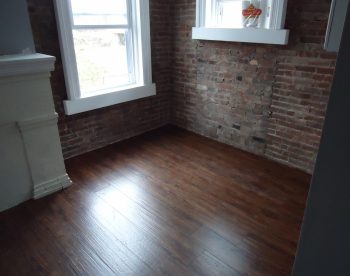
Featured photo: Kitchen renovation 9a new floor installed by Tomwsulcer, CC0.