The fastest way to reduce restaurant food waste is to measure it for a week, find the two or three items that account for most of the bin, and fix the purchasing, prep and menu decisions behind them. Donation and composting come after that, for the food you genuinely could not avoid.
Most operators start at the wrong end. They sign a compost contract, feel good for a month, and keep over-prepping the same pans of rice. Compost is better than landfill, but the cheapest pound of waste is the one you never bought.
This plan runs in five steps, in the order that saves the most money first. You can start it on a Monday with a scale, a clipboard and a few labelled bins.
Key takeaways
- Measure before you change anything. A one-week audit tells you where the money is actually going.
- The EPA’s Wasted Food Scale puts prevention first, donation second and landfill near the bottom.
- Par levels tied to real covers stop most over-prep, and first-in, first-out rotation stops most spoilage.
- Build specials around what is close to its use-by point, and cross-use ingredients across dishes.
- The Bill Emerson Good Samaritan Act protects good-faith food donations, and 2023 amendments added restaurants donating directly to people in need.
In this guide
- Step 1: Run a one-week waste audit
- Step 2: Rank your fixes with the Wasted Food Scale
- Step 3: Tighten prep and par levels
- Step 4: Rotate stock and design the menu around it
- Step 5: Donate and compost what is left
- FAQ
- Your first move this week
Step 1: Run a one-week waste audit
The EPA recommends waste audits as the starting point for source reduction, because they show which wasted food can be avoided and how much money is at stake. You don’t need a consultant. You need one week, a kitchen scale and a simple log.
- Set up separate bins by source. Use at least three: spoilage (food that went off before use), prep trim (peels, ends, overproduction), and plate waste (what comes back from the dining room).
- Weigh each bin at the end of every shift. Record the weight, the main items in it and the shift. Rough is fine; consistent matters more than precise.
- Note the reason, not just the item. “Twelve portions of braised short rib, prepped for 40 covers, sold 28” tells you what to change. “Beef, 3 kg” does not.
- Put a cost on the top items. Multiply the weight by your purchase price per kilo or pound. Staff pay attention to dollars faster than kilos.
- Review on day eight. Rank items by cost and pick the top three to work on first.
Expect surprises. Plate waste often points to a portion or garnish problem rather than a quality problem, and spoilage often traces back to one delivery day or one over-generous order guide.
Step 2: Rank your fixes with the Wasted Food Scale
The EPA Wasted Food Scale is the agency’s updated ranking of what to do with food that might otherwise be wasted. It replaced the older Food Recovery Hierarchy and is based on EPA’s 2023 report on the environmental impacts of different food waste pathways. For a restaurant, the relevant tiers run like this:
| Tier on the scale | What it looks like in a restaurant |
|---|---|
| Prevent wasted food | Accurate ordering, par levels, portion control, cross-used ingredients |
| Donate | Surplus, safely held food given to a food bank or rescue group |
| Upcycle | Turning trim into stocks, sauces or staff meals |
| Feed animals | Scraps to a farm partner, where local rules allow it |
| Anaerobic digestion or compost | Hauler or on-site collection of scraps and trim |
| Send down the drain | Disposers and drain routing; low on the scale |
| Landfill or incinerate | The general trash bin; the bottom of the scale |
The order matters for planning. The EPA calls prevention the most environmentally beneficial option, and for an operator it is also the only tier that cuts the purchase bill. That is why prevention gets three of the five steps in this plan.
Compost is a better bin. Prevention is a smaller bill.
Step 3: Tighten prep and par levels
Most kitchen overproduction comes from prep sheets that are set once and never revisited. A par level is the amount of each prepped item you want on hand at the start of service. It should move with your covers, not stay fixed because someone wrote it on the whiteboard last spring.
Build pars from real sales
- Pull the last four weeks of item sales from your POS, split by day of the week.
- Convert dishes into prepped components. If a bowl uses 150 g of cooked grain, 60 bowls on a Friday means 9 kg.
- Add a small buffer for walk-ins and events, then set the par for each day.
- Check the audit log after two weeks. If an item still comes back in the trim bin, lower its par.
Prep in waves, not all at once
For items with a short hold life, such as cut herbs, dressed greens or cooked pasta, split prep into two or three smaller batches across the day. You lose a little labour efficiency and gain a lot of product. The EPA’s source-reduction guidance makes the same point: examine production and handling practices to prevent preparation waste, and compare purchasing with what customers actually order.
Step 4: Rotate stock and design the menu around it
First in, first out, every delivery
First in, first out (FIFO) means older stock gets used before newer stock. In practice it comes down to three habits:
- Date-label everything on arrival and after prep. Use one label format across the kitchen so nobody has to guess.
- Stock from the back. New deliveries go behind existing product on the shelf, in the walk-in and in dry storage.
- Walk the walk-in daily. A two-minute check before ordering catches items that need to be used today.
Cross-utilization on the menu
Cross-utilization means one ingredient appears in several dishes, so a slow seller on one plate is absorbed by another. The braising cut becomes a staff meal and a lunch sandwich. Herb stems go into sauces. Bread ends become croutons or crumb.
The EPA suggests being creative with kitchen excess and using surplus in new dishes, and it highlights a restaurant that cut waste through waste tracking, prep planning and menu specials built around food close to the end of its shelf life. That last idea is worth making routine: give the chef one daily special slot that must use whatever the walk-in check flagged.
Portions and plate waste
If the audit shows plate waste, look at what comes back. Untouched garnishes can simply go. Consistently half-eaten sides suggest the portion is too big. The EPA also recommends reducing serving sizes where appropriate and skipping garnishes that won’t be eaten.
Step 5: Donate and compost what is left
Donation, and the liability question
Fear of being sued is the most common reason restaurants throw away good food. According to the USDA, the Bill Emerson Good Samaritan Food Donation Act grants liability protection to people who donate food in good faith to nonprofit organizations for distribution to people in need. Amendments passed on January 5, 2023 extended that protection to qualified direct donors, a group that explicitly includes restaurants and caterers, when they donate directly to people in need at no cost.
- Find a partner first. Local food banks and food rescue groups will tell you what they accept, pickup windows and packaging needs.
- Donate food you would still serve. Properly held, labelled and cooled surplus is what the protection is designed for.
- Keep a simple log. Date, item, weight and recipient. It also gives you a number for your waste reports.
Compost or digest the rest
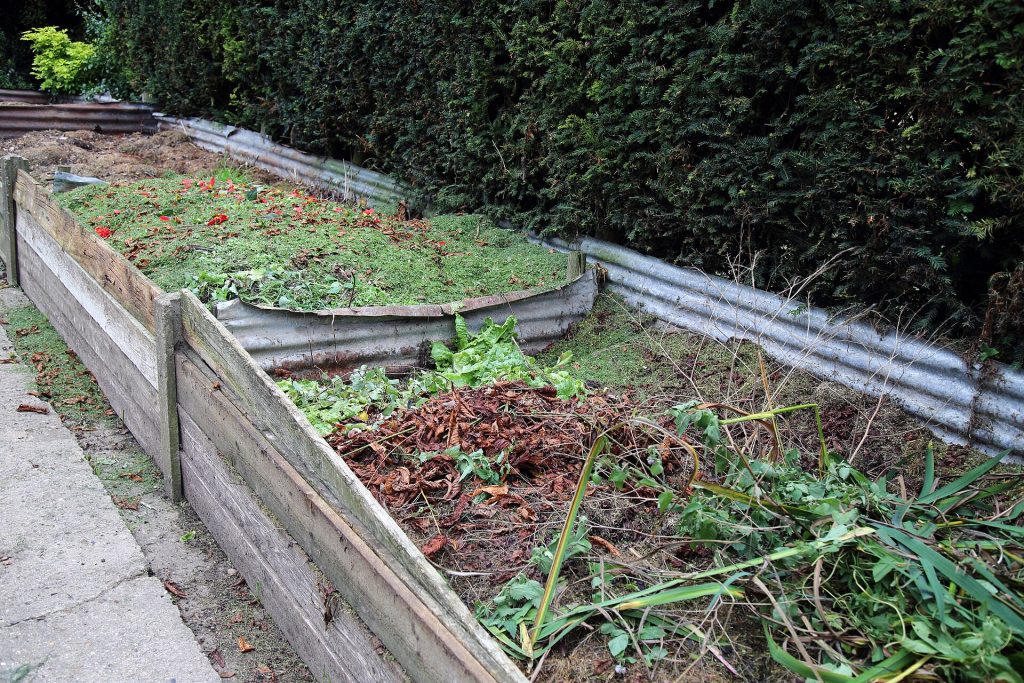
Trim, peels, coffee grounds and plate scraps that cannot be eaten belong in compost or anaerobic digestion, both of which rank above landfill on the EPA scale. Ask your waste hauler what organics collection is available in your area, and train staff on what goes in each bin. Keep your audit bins going for a week each quarter so you can see whether the fixes are holding.
For more ideas on stock control, see our guide to restaurant inventory management and browse the operations guides.
FAQ
How long should a restaurant food waste audit last?
A week is enough to catch the pattern across quiet and busy days. Repeat it for a week each quarter to check progress.
Is it legal for restaurants to donate leftover food?
Yes. The federal Good Samaritan Food Donation Act protects good-faith donations of apparently wholesome food, and 2023 amendments cover restaurants donating directly to people in need. Protection does not extend to gross negligence or intentional misconduct.
What is the difference between the Wasted Food Scale and the Food Recovery Hierarchy?
The Wasted Food Scale is the EPA’s update to the older hierarchy. It adds more pathways, such as upcycling, and ranks them using newer research.
Where should a small restaurant start?
Start with par levels for your five highest-volume prepped items. It costs nothing and usually shows results within two weeks.
Your first move this week
Pick a start date, set up three bins and a scale, and log every shift for seven days. Then fix the top three items before you spend a cent on new equipment or services. If rising costs are what brought you here, pair this plan with our tips on controlling food costs.
Featured photo: 2012 D C Central Kitchen Truck Farm Planting (20120406-DM-LSC-0097) by USDAgov, CC0.