Receiving food deliveries properly comes down to five checks done the same way every time: the right person is ready at a scheduled time, cold food is probed and comes in at 41°F or below, frozen food is still solid, shellfish tags are kept, and the invoice matches what physically arrived. Anything that fails gets refused or credited before the driver leaves.
The receiving door is the last point where a problem still belongs to your supplier. Once you sign and the product goes into your walk-in, a warm case of chicken or a short-shipped box of shrimp becomes your cost and your food safety risk.
Below is a working checklist, section by section, built on county health department guidance and FDA’s shellfish rules. Copy the boxes onto a clipboard sheet and use them on every drop.
Key takeaways
- Schedule deliveries for quiet hours and assign one trained receiver who has authority to refuse product.
- Probe cold TCS food on arrival; the common receiving standard is 41°F or below, with shell eggs received at an ambient 45°F.
- Refuse frozen product showing large ice crystals, liquid at the bottom of the case or water-stained boxes.
- Keep shellstock tags, labels or qualifying invoices for 90 days from the date the last shellfish in the container is sold or served.
- Check counts, weights and prices against the purchase order and get a signed credit memo for anything refused before the driver leaves.
In this guide
- Before the truck arrives
- Temperature checks at the door
- Shellfish tags and special paperwork
- When to reject a delivery
- Invoice checks and credit memos
- Putting stock away with FIFO
- FAQ
- Print it, post it, train to it
Before the truck arrives
Most receiving mistakes happen because the truck shows up at noon on a Friday and whoever is nearest signs the invoice. Fix the schedule first and the rest of the checklist gets easier.
- ☐ Delivery windows agreed with each supplier, ideally mid-morning or mid-afternoon, away from service peaks.
- ☐ One named receiver per shift, trained on this checklist and authorised to refuse product.
- ☐ Purchase order or order guide printed or on a tablet at the door, so you check against what you ordered, not what the driver says you ordered.
- ☐ Calibrated probe thermometer and sanitizing wipes on the receiving table.
- ☐ Clear path and space in the walk-in and freezer before the truck arrives, so cold product is not left on the dock.
- ☐ Receiving log ready for temperatures, rejections and signatures.
If a supplier cannot hit your window, that is a conversation worth having early. A delivery that lands in the middle of the lunch rush will almost always be received badly.
Temperature checks at the door
Your local code sets the exact numbers, but most US health departments work from the same FDA Food Code limits. The Craven County, North Carolina environmental health advisory on receiving sums them up: poultry, fish, meat and cut fruit at 41°F; milk received at 45°F and then cooled to 41°F; and eggs received at 45°F ambient, meaning the air temperature of the truck.
| Product | Accept when | Refuse when |
|---|---|---|
| Cold TCS food (meat, poultry, fish, cut fruit) | 41°F or below at the core or between packages | Above 41°F, or above your code’s receiving limit |
| Milk | 45°F or below, then cooled to 41°F | Above 45°F |
| Shell eggs | Truck ambient 45°F or below; clean, uncracked | Warm truck, cracked or dirty shells |
| Frozen food | Frozen solid | Large ice crystals, liquid in the case, water-stained boxes |
| Dry goods and cans | Intact, dry, labelled, in date | Swollen, rusted or badly dented cans; torn bags; pest signs |
How to probe
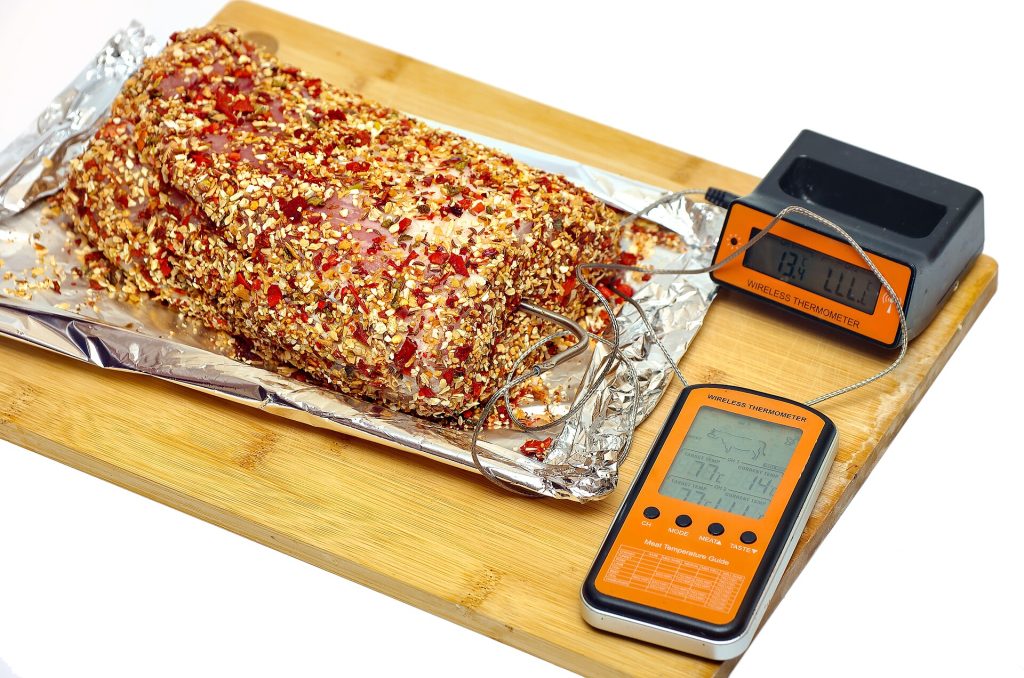
The Orange County Health Care Agency receiving SOP gives a simple method. For fresh meat, fish and poultry, insert the thermometer into the centre of the product. For packaged items, place the probe between two packages rather than puncturing them. Record the reading and any corrective action on the invoice or a receiving log.
- ☐ Probe at least one case of every cold TCS item on the invoice.
- ☐ Probe the warmest-looking case first, usually the one nearest the truck door.
- ☐ Check frozen cases by feel and look for thaw-and-refreeze signs before you open anything.
- ☐ Write every temperature on the log with the time and your initials.
The moment you sign the invoice, the supplier’s problem becomes yours.
Shellfish tags and special paperwork
Live oysters, clams and mussels come with extra paperwork, and inspectors check it. FDA’s Food Code update on molluscan shellfish identification explains that paragraphs 3-203.12(B) and (C) were revised in the 2022 Food Code. Records must be kept for 90 days to allow time for shellfish-borne illness to surface, and tags, labels or invoices are all acceptable as long as they carry the required information.
What the tag or invoice must show
- ☐ Dealer’s name, address and certification number.
- ☐ The most precise harvest location available.
- ☐ Harvest date for shellstock, or shucking date for shucked product.
- ☐ Type and quantity of shellfish.
- ☐ A sell-by or best-if-used-by date where required.
- ☐ The date the last shellfish from the container was sold or served, which starts the 90-day clock.
The Sacramento County shellfish tag guidance adds the practical rules: keep the original tag with the original bag until all of it is sold or served, file tags in the order received, and never commingle shellfish from different bags or boxes. It also notes that commercially packaged frozen or shucked shellfish is not subject to those tag requirements, so check with your own health department on how it treats those products.
The Craven County advisory also flags fish meant to be served raw or partially cooked: ask for documentation that it was properly frozen for parasite destruction, and file it with your receiving records.
When to reject a delivery
Refusing product is uncomfortable, so write the rules down in advance. That way the receiver is following policy, not arguing with a driver. The Craven County advisory lists the signs that should trigger a refusal:
- ☐ Ice crystals or water stains that suggest thawing and refreezing.
- ☐ Discolouration, unusual odours, or slimy, sticky or dried-out meat, poultry and fish.
- ☐ Mould of any colour on perishables.
- ☐ Torn or punctured packaging, broken seals or cartons, or signs of tampering.
- ☐ Cans with missing labels, bulging ends, rust or severe dents.
- ☐ Bloated or leaking reduced-oxygen packaged items.
- ☐ Chew marks, droppings, insects or other signs of pests.
- ☐ Anything past its use-by date.
The Orange County SOP adds one more: reject food shipped in dirty crates. When you refuse an item, set it aside on the truck side of the door, note the reason on the invoice and hand it straight back.
Invoice checks and credit memos
Food safety is half the job. The other half is making sure you pay for exactly what you received. Short weights, substitutions and price creep rarely show up later unless you catch them at the door.
- ☐ Count every case and match it line by line against the invoice and your purchase order.
- ☐ Weigh catch-weight items such as meat, fish and cheese, and compare to the invoiced weight.
- ☐ Check substitutions: a different brand, pack size or grade must be approved by the manager, not accepted by default.
- ☐ Check prices against your agreed price list or last invoice, and circle anything that moved.
- ☐ Get a credit memo signed by the driver for every refused, short or damaged item before they leave.
- ☐ Attach the credit memo to the invoice so accounts payable pays the corrected amount.
Unsigned verbal promises of a credit tend to disappear. The signed memo is your evidence, and it keeps your food cost numbers honest. Our guide to controlling food cost shows how receiving errors flow straight into your plate costs.
Putting stock away with FIFO
Put cold and frozen product away first, dry goods last. Then rotate using first in, first out (FIFO): new stock goes behind or below older stock of the same item, so the oldest product gets used first.
- ☐ Refrigerated and frozen items put away immediately after checking.
- ☐ Every case or container dated with the delivery date.
- ☐ New stock placed behind or below existing stock.
- ☐ Raw animal foods stored below ready-to-eat foods.
- ☐ Nothing stored on the floor.
- ☐ Invoice, credit memos and receiving log filed together.
The Orange County SOP recommends keeping receiving logs for at least one year. Your own jurisdiction may set a different period, so confirm it with your inspector.
FAQ
What temperature should cold food be when it is delivered?
The common standard is 41°F or below for cold TCS foods such as meat, poultry and fish. Milk and shell eggs are usually received at 45°F. Check your local code for any differences.
How long do I keep shellfish tags?
For 90 days from the date the last shellfish in the container is sold or served, under the FDA Food Code. Keep them in the order received.
Can I accept a delivery when no one is there?
Key-drop deliveries are allowed in some places, but the product must still arrive at safe temperatures and be protected from contamination. Check those items first thing and record the temperatures.
What should I do with a delivery that fails a check?
Refuse it at the door, note the reason on the invoice and get a signed credit memo from the driver. Then tell your supplier rep the same day.
Print it, post it, train to it
Turn the checklists above into a one-page receiving sheet, laminate a copy for the back door, and walk each receiver through it on their next shift. Then audit a few deliveries a week for a month to make sure it sticks. For more on working with vendors, see our supplier guides and our tips on building better supplier relationships.
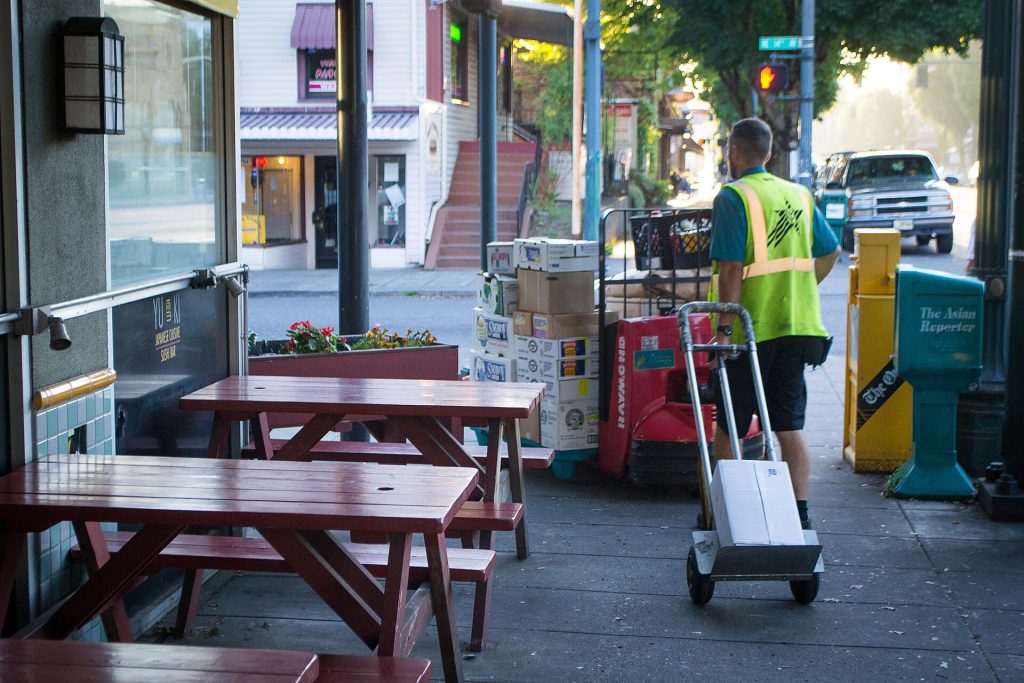
Featured photo: Produce Delivery by Visitor7, BY-SA 3.0.