A commercial induction range heats the pan directly with a magnetic field, so more of the energy ends up in the food and far less ends up in the room. Gas heats the air under and around the pan. That single difference drives nearly everything else in this comparison: efficiency, kitchen temperature, cooling load, cleaning and what cookware you can use.
Induction is not automatically the right call. It needs compatible pans, serious electrical capacity and a crew willing to relearn some habits. Gas is familiar, forgiving with any pan and often already plumbed in.
Below is a side-by-side comparison, the published efficiency data, and a clear view of which kitchens suit each.
Key takeaways
- Induction transfers heat straight into magnetic cookware, so the room stays cooler and there is no burner idling when the pan comes off.
- ENERGY STAR certified commercial electric cooktops, including induction, must reach at least 80% cooking energy efficiency.
- In one Frontier Energy case study, an induction range top cost less to run than the gas French top it replaced and needed no extra cooling.
- Budget for electrical work. A multi-hob induction range usually needs its own dedicated circuit, so have an electrician check your panel first.
- New York City’s all-electric law for new buildings includes an exception for commercial kitchens, and Berkeley’s gas ban was struck down.
Gas vs induction, side by side
How each one heats a pan
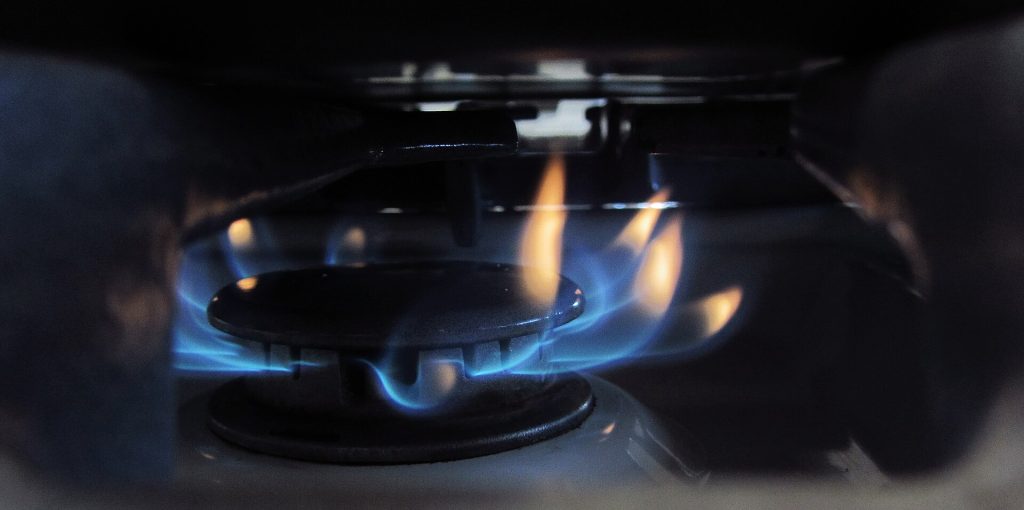
A gas burner makes a flame, and the flame heats the pan bottom and plenty of air around it. Much of that heat rises past the pan and into the hood, the line and the cooks. Turn the burner up and you get more flame, and more wasted heat.
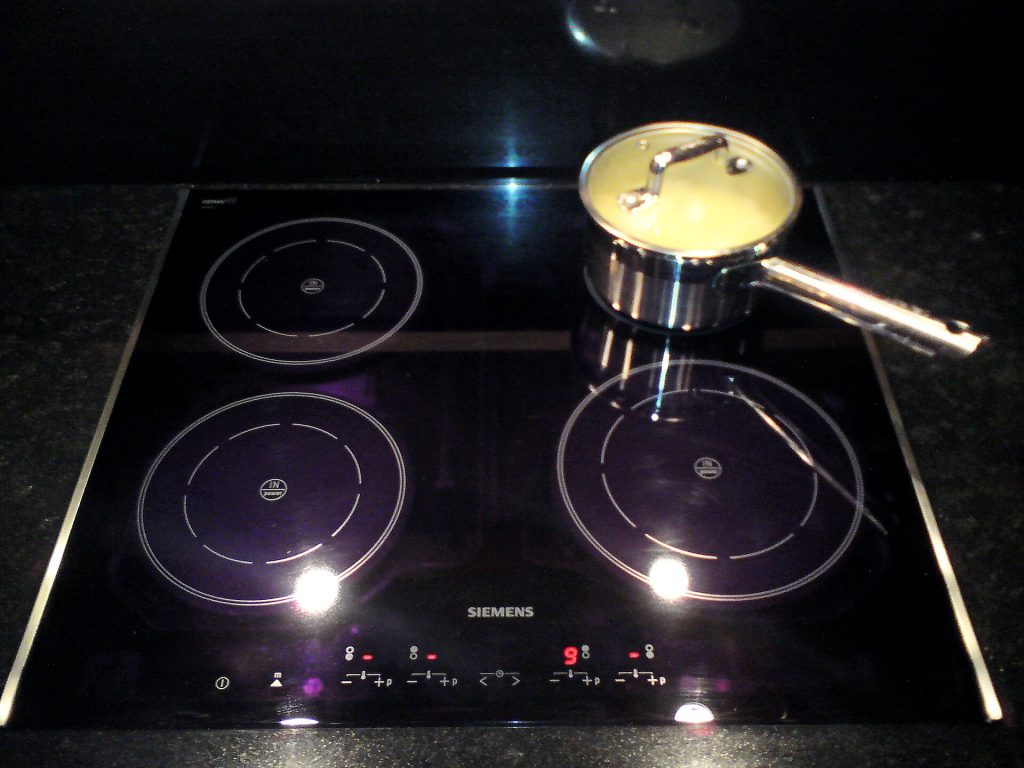
An induction hob uses a coil under a glass-ceramic top to create a magnetic field. That field heats a ferrous pan directly. The U.S. Department of Energy explains the practical test simply: any flat-bottomed pan that a magnet sticks to will work. Lift the pan and heating stops, because there is nothing left to heat.
The comparison table
This table compares the two on the points that matter most on a working line. Where a number appears, it comes from the published source cited in the next section.
| Factor | Gas range | Commercial induction range |
|---|---|---|
| How heat is made | Open flame heats pan and surrounding air | Magnetic field heats the pan itself |
| Response | Instant visual flame control | Instant power change; no flame to read |
| Energy at idle | Burners often left running between orders | No draw when the pan is removed |
| Heat into the kitchen | High radiant and convective heat | Low; mostly residual heat from the pan |
| Cookware | Any material, including aluminium and woks | Magnetic, flat-bottomed pans only (or dedicated wok hobs) |
| Utility hookup | Gas line, plus existing hood | High-capacity electrical circuit |
| Cleaning | Grates, burner heads and ports | Flat glass-ceramic top; spills do not bake on as hard |
| Crew learning curve | Minimal for most cooks | Short but real; power settings replace flame height |
Efficiency and running costs
ENERGY STAR certifies commercial electric cooktops, a category that includes induction, and requires a minimum cooking energy efficiency of 80%. Gas cooktops are not eligible for the label. For comparison with standard electric models, ENERGY STAR says a certified cooktop is about 5% more energy efficient per hob.
The more telling numbers come from real kitchens. A case study by the Frontier Energy Food Service Technology Center followed a luxury hotel kitchen on California’s Central Coast that replaced a natural gas French top with an induction range top. The report says induction transferred roughly 90% of the energy it consumed into the cookware.
- Gas French top: about 1,300 therms a year, around $2,340 in annual operating cost, and 1.2 tons of added cooling load.
- Induction range top: about 5,880 kWh a year, around $1,650 in annual operating cost, and no added cooling load.
Your own numbers will depend on local gas and electricity rates, how many hours the line runs and how disciplined the crew is about turning burners down. Treat one case study as a signal, not a promise, and run the math with your utility bills.
The cheapest energy in a kitchen is the heat you never had to pump back out of it.
Kitchen heat, electrical service and cookware
Kitchen heat and comfort
The Frontier case study notes the original kitchen ran at around 100°F and that the chef called heat reduction one of the most useful changes. Less heat on the line means less strain on your HVAC and a crew that is less worn out by the end of a double.
Electrical service
This is the line item that surprises people. A multi-hob commercial induction range draws a lot of power, and older buildings may not have the spare capacity at the panel. Before you order, get an electrician to confirm voltage, phase and available amperage, and price any service upgrade. That cost can be larger than the range itself.
Cookware
Do the magnet test on every pan you own. Aluminium and copper without a magnetic base will not work. Many kitchens replace sauté pans and stockpots in stages and keep one gas burner or a dedicated wok hob for the jobs induction handles poorly.
Maintenance
Gas ranges need burner ports cleared and grates degreased. Induction tops wipe clean, but the glass can crack if a heavy pot is dropped, and the electronics need clear airflow around the cooling fans. Ask the manufacturer about service coverage in your area before you buy.
Gas bans and building rules
Local rules are changing, but not in a straight line. New York City Local Law 154 bans on-site combustion of most fossil fuels in new construction, starting January 1, 2024 for buildings under seven stories and July 2, 2027 for taller ones. The city lists commercial kitchens as an exception, so a new restaurant can still cook with gas there.
In California, the Ninth Circuit ruled that Berkeley’s ban on natural gas hookups in new buildings was preempted by federal law. In March 2024 the city agreed to stop enforcing it and to repeal the ordinance. If you are building out a new site, ask your local building department what applies before you design the line.
Which range suits which kitchen
Induction suits
- New builds and full remodels where electrical capacity can be planned in.
- Small or hot kitchens where cooling costs and staff comfort are a real problem.
- Sauté-heavy menus, pastry and sauces that benefit from precise, repeatable settings.
- Front-of-house cooking stations and hotel buffets where open flame is awkward.
Gas suits
- Existing kitchens with gas already run and limited electrical headroom.
- Wok cooking and charring techniques that depend on flame.
- Operators who cannot replace a large stock of non-magnetic cookware yet.
Many operators land on a mix: induction for the sauté station, gas where flame matters. For more equipment comparisons, see our kitchen equipment guides.
FAQ
Is a commercial induction range faster than gas?
It heats the pan directly, so it typically brings pans up to temperature quickly. The DOE cites Consumer Reports testing of home cooktops in which induction boiled water 20 to 40% faster than gas and standard electric.
Will my current pans work on induction?
Only if a magnet sticks firmly to the base and the base is flat. Test each pan before you plan the switch.
Does induction need a hood?
Cooking still makes grease and steam, so ventilation rules still apply. Check with your local code official before changing hood specifications.
Can I get a rebate for switching?
Some utilities offer incentives for efficient electric cooking equipment. Ask your electricity provider what is available for your location before you buy.
How to test induction before you commit
Before you commit, buy or borrow a single countertop induction hob and put it on your busiest sauté station for two weeks. Watch ticket times, pan compatibility and what your cooks say at the end of a shift. At the same time, get an electrician’s quote for the full range. With both answers in hand you will know whether the switch pays. To tie it into wider savings, read our guide to cutting restaurant energy costs and our notes on commercial kitchen ventilation.
Featured photo: Induktionshäll by Grillo, BY-SA 3.0.