In a busy restaurant, the quality of service depends on more than good food and friendly staff. The bar, dining room, and kitchen all need to work together to keep orders moving and guests satisfied. When one area becomes overwhelmed, the pressure can quickly affect the entire operation. One practical way restaurants can improve coordination is by cross-training servers to handle selected bartending responsibilities.
Servers already understand many aspects of hospitality. They communicate with guests, manage orders, learn menu details, and work alongside other members of the service team. With additional training, some can build on these existing skills and become capable of supporting the bar during busy periods or covering certain duties when staffing needs change.
Cross-training does not mean expecting every server to perform every job without proper preparation. Bartending requires its own technical knowledge, practical experience, and understanding of responsible alcohol service. When introduced thoughtfully, however, it can give restaurants a more flexible team, create new opportunities for employees, and improve the connection between the dining room and the bar.
1. A More Flexible Team During Busy Shifts
Restaurant demand rarely follows a perfectly predictable pattern. A quiet afternoon can turn into a busy dinner service, a group may arrive earlier than expected, or several tables may order cocktails at the same time. If the bar becomes backed up, servers may have to wait longer for drinks, affecting service throughout the dining room.
Cross-trained employees can help restaurants respond to these fluctuations. A server with the right training may be able to assist with basic bar preparation, restocking supplies, or other approved duties when the workload allows. Employees who have demonstrated the necessary competence may also be able to cover specific bartending shifts when scheduling needs arise.
This flexibility can be especially useful for smaller restaurants that operate with limited staff. Rather than relying on a rigid division of responsibilities in every situation, managers have more options for allocating work according to demand.
However, flexibility should not become an excuse for understaffing. Employees still need manageable workloads, clear responsibilities, and sufficient time to complete their primary duties. Cross-training works best when it provides additional support rather than placing unreasonable expectations on the team.
2. Better Communication Between Servers and Bartenders
Servers and bartenders depend on each other throughout a shift. Servers send drink orders to the bar, communicate special requests, and deliver beverages to guests. Bartenders prepare those orders while managing their own workload, maintaining the bar, and serving customers seated nearby.
When both groups understand each other’s responsibilities, communication can improve.
A server who has spent time learning behind the bar may better understand why certain cocktails take longer to prepare, why modifications need to be communicated clearly, and how a large group order can affect service times. This experience can encourage more thoughtful communication and reduce unnecessary frustration between departments.
The benefits work in the other direction, too. Bartenders who understand the demands of table service may become more aware of the timing pressures servers face when managing several tables at once.
Cross-training can also help employees coordinate orders more effectively. Team members become familiar with shared routines, equipment, and priorities, making it easier to identify where assistance is needed.
Over time, this mutual understanding can contribute to a more cooperative working environment. Instead of viewing the bar and dining room as separate operations, staff can recognise how their individual responsibilities contribute to the guest experience.
3. Stronger Beverage Knowledge Improves Guest Service
Guests often ask servers questions about cocktails, spirits, wine, beer, and non-alcoholic options. They may want to know which drinks are sweet, which contain citrus, or which beverage pairs well with a particular dish.
Servers who understand basic bartending techniques and ingredients can answer many of these questions more confidently. They may also become better at describing flavour profiles and explaining the differences between popular cocktail styles.
This knowledge can make recommendations more useful. Rather than simply suggesting the most popular drink, a server can consider what the guest enjoys and offer an appropriate option from the menu.
Cross-training can also improve accuracy when handling special requests. Understanding how cocktails are prepared helps servers communicate modifications clearly and recognise when a request needs clarification from the bartender.
Restaurants can support this learning through structured lessons, guided practice, menu tastings, and supervised shifts. A suitable bartending school can also provide foundational instruction for people who want to develop practical beverage-preparation skills before taking on additional responsibilities.
The objective is not to turn every server into a cocktail expert overnight. It is to give employees a stronger understanding of the drinks they help sell and serve.
4. Cross-Training Creates Opportunities for Career Growth
Hospitality employees often want opportunities to develop new skills and progress beyond their current positions. A server who enjoys learning about cocktails may be interested in eventually becoming a bartender, bar supervisor, or manager.
Cross-training can provide a practical way to explore that interest without immediately requiring an employee to change roles.
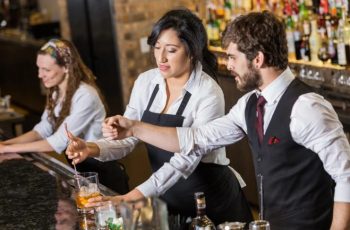
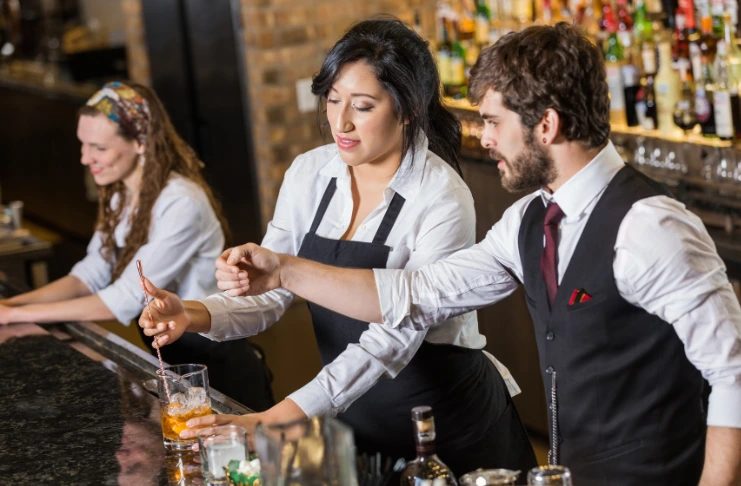
A structured programme might begin with beverage knowledge and bar terminology before moving on to equipment, measurements, preparation methods, glassware, and workstation organisation. Employees can then practise selected tasks under the supervision of an experienced bartender.
This gradual approach allows managers to assess progress while helping employees understand what the role involves. It also gives workers a clearer picture of the skills they need to develop before taking on greater responsibility.
For the restaurant, supporting career development can help make work more engaging. Employees who see a path to learning and advancement may have stronger reasons to continue building their skills within the business.
Managers should communicate opportunities openly and establish clear criteria for progression. Cross-training should not depend solely on informal preferences or who happens to be available. Employees need to understand what is expected, how their skills will be assessed, and whether additional responsibilities come with changes in pay or scheduling.
5. A Better Understanding of Costs and Inventory
Bartending involves more than mixing drinks. Bar staff must also pay attention to stock levels, ingredient use, waste, and portion consistency.
When servers learn about these responsibilities, they can develop a better understanding of the operational side of beverage service. They may become more aware of why accurate orders matter, why ingredients need to be handled correctly, and how unnecessary remakes affect both service and costs.
For example, a drink prepared with the wrong spirit or an incorrectly communicated modification may need to be made again. That mistake uses additional ingredients and takes time away from other orders. Clear communication between servers and bartenders can help reduce these avoidable problems.
Cross-training may also help employees recognise when supplies need replenishing or when a workstation requires attention. Managers can include approved inventory and restocking duties as part of the programme, provided employees receive suitable instruction.
Restaurants should still maintain clear controls over purchasing, stock counts, cash handling, and alcohol inventory. Cross-trained staff can contribute to these processes, but responsibility for sensitive tasks should be assigned according to the employee’s training and authority.
6. How to Introduce Cross-Training Without Disrupting Service
Although cross-training has potential benefits, introducing it without a clear plan can create confusion. Servers may struggle to balance their regular duties with new responsibilities, while experienced bartenders may feel pressured to train colleagues during already demanding shifts.
A structured approach helps avoid these problems.
Start with employee interest. Not every server will want to become a bartender, and not every employee will be suited to the role. Managers should identify interested team members and discuss what the training involves before assigning additional duties.
Define the skills to be learned. The programme should identify which tasks employees are expected to perform. Basic beverage knowledge and preparation are useful starting points, but more complex techniques and independent bar service require further practice and assessment.
Schedule dedicated training time. Employees need opportunities to learn without neglecting guests or slowing down normal operations. Training shifts, quieter service periods, and supervised practice can provide a better environment for developing new skills.
Set clear competency standards. Completing a training session does not automatically mean someone is ready to work independently. Managers should assess practical ability, accuracy, hygiene, organisation, and knowledge of responsible alcohol service before authorising employees to take on particular tasks.
Review the programme regularly. Managers should ask trainees and experienced bartenders for feedback, identify gaps, and adjust the training as needed. The goal is to improve service and employee development, not simply to add more duties to existing roles.
7. Bar Management Should Support the Wider Team
Cross-training is most effective when it forms part of a broader operational plan. Restaurants need to consider staffing levels, service standards, training costs, scheduling, and the responsibilities assigned to each role.
For example, a restaurant may decide that selected servers can assist with preparation and restocking during peak periods, while only fully trained bartenders handle complex orders and independently manage the bar. Another business may develop a longer training pathway that allows experienced servers to qualify for occasional bartending shifts.
The right approach depends on the restaurant’s size, menu, service style, and staffing needs.
External guidance can also help businesses review their existing systems. Restaurants seeking consulting services for bar owners may explore ways to assess bar operations, staff responsibilities, training priorities, and service workflows. A clearer operational plan can help managers identify where cross-training would be useful and where specialised roles should remain separate.
It is also important to recognise the additional work involved. Training takes time, and employees should not be expected to acquire new skills without adequate support. Managers should establish fair expectations around scheduling, compensation, and responsibility so the programme benefits both the business and its staff.
8. Responsible Service Must Remain a Priority
No cross-training programme should focus on speed or flexibility at the expense of safety.
Bartending involves responsibilities related to alcohol service, identification checks, recognising intoxication, hygiene, and compliance with applicable local laws. Employees need appropriate instruction before performing tasks that carry these responsibilities.
Restaurants should also ensure that staff understand their authority to refuse service when necessary and know how to involve a supervisor in difficult situations. Procedures may vary depending on the jurisdiction, so training should reflect the rules that apply to the establishment.
Practical competence matters as well. Employees should know how to handle glassware safely, maintain a clean workstation, and follow procedures for storing and preparing ingredients. They should not be assigned tasks beyond their demonstrated ability simply because the bar is busy.
A well-designed programme sets boundaries as clearly as it develops skills. That protects guests, employees, and the restaurant’s service standards.
Conclusion: Building a More Capable Restaurant Team
Cross-training servers as bartenders can help restaurants create a more adaptable workforce while giving employees opportunities to learn and progress. It can improve communication between the dining room and the bar, strengthen beverage knowledge, and provide additional support when demand changes.
The benefits depend on how the programme is implemented. Servers need structured instruction, supervised practice, clear expectations, and fair recognition for the responsibilities they take on. Managers must also protect service quality by ensuring that employees are qualified for the tasks they perform.
Restaurants do not need every server to become a full-time bartender to see value in cross-training. Even a carefully selected group of employees with additional beverage skills can help strengthen teamwork and improve operational flexibility.
When training is treated as a genuine investment in people rather than a shortcut to doing more with fewer staff, it can benefit the entire business. Guests receive more informed service, employees gain useful experience, and restaurants build teams that are better prepared to work together through both busy nights and unexpected challenges.