A fall seasonal menu works when it does four things in order: it starts from what is genuinely in season, it is costed down to the gram before it goes to print, it is named so guests understand it in a glance, and the floor team can sell it on night one. Skip any of those and you get a menu that looks good on paper and quietly loses money.
To make that concrete, this walkthrough follows a hypothetical restaurant from produce list to pre-shift. The bistro, its numbers and its prices are invented for illustration. The method is the part to copy.
Key takeaways
- Start from a published seasonal produce list, then check it against what your suppliers can actually deliver.
- Pick a few hero ingredients and use each one in more than one dish to cut waste.
- Cost every dish on edible portion, not as-purchased weight. Trim loss is money you paid for.
- Name dishes for clarity first, charm second.
- Train with a tasting, a one-page sheet and a line for every server to use.
The scenario: a 60-seat bistro in late September
Say you run a 60-seat neighbourhood bistro. Dinner only, five nights a week, a menu of six starters, six mains and four desserts. Your summer menu leans on tomatoes, stone fruit and corn, and your produce supplier has started telling you those prices are about to climb.
You decide to change four dishes rather than rewrite everything: one starter, two mains and one dessert. That is enough for guests to notice a new season, and small enough for the kitchen to execute cleanly in a single changeover week.
Step 1: choose the fall produce
Start with a neutral list rather than a supplier’s promo sheet. The USDA SNAP-Ed fall produce guide lists items including apples, pears, cranberries, pomegranates, beets, Brussels sprouts, cauliflower, kale, Swiss chard, mushrooms, parsnips, rutabagas, turnips, sweet potatoes, pumpkin and winter squash.
Local seasons vary, so treat that list as a starting point and ask your produce rep which items are local, which are coming in from further away, and which are expected to be steady in price through December.
Pick heroes, then cross-use them
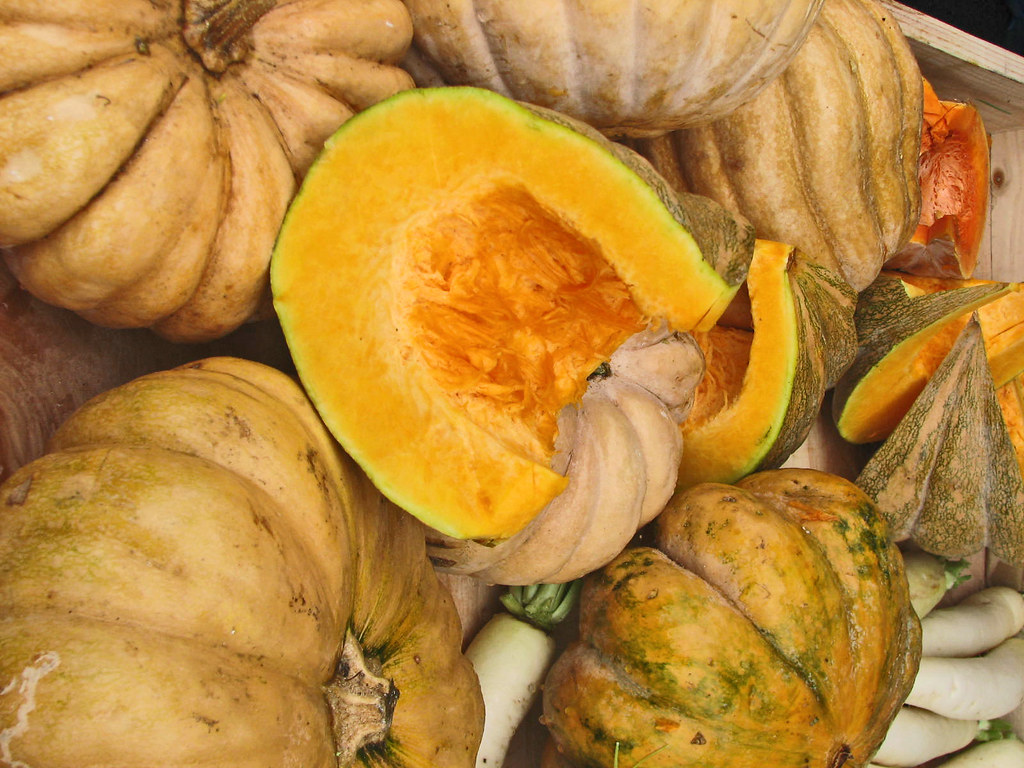
From that list, the bistro picks four hero ingredients: winter squash, apples, mushrooms and Brussels sprouts. Each one appears in at least two places so nothing sits in the walk-in waiting for a single dish to sell.
- Winter squash: roasted squash soup starter, and roasted wedges as a side on the pork main.
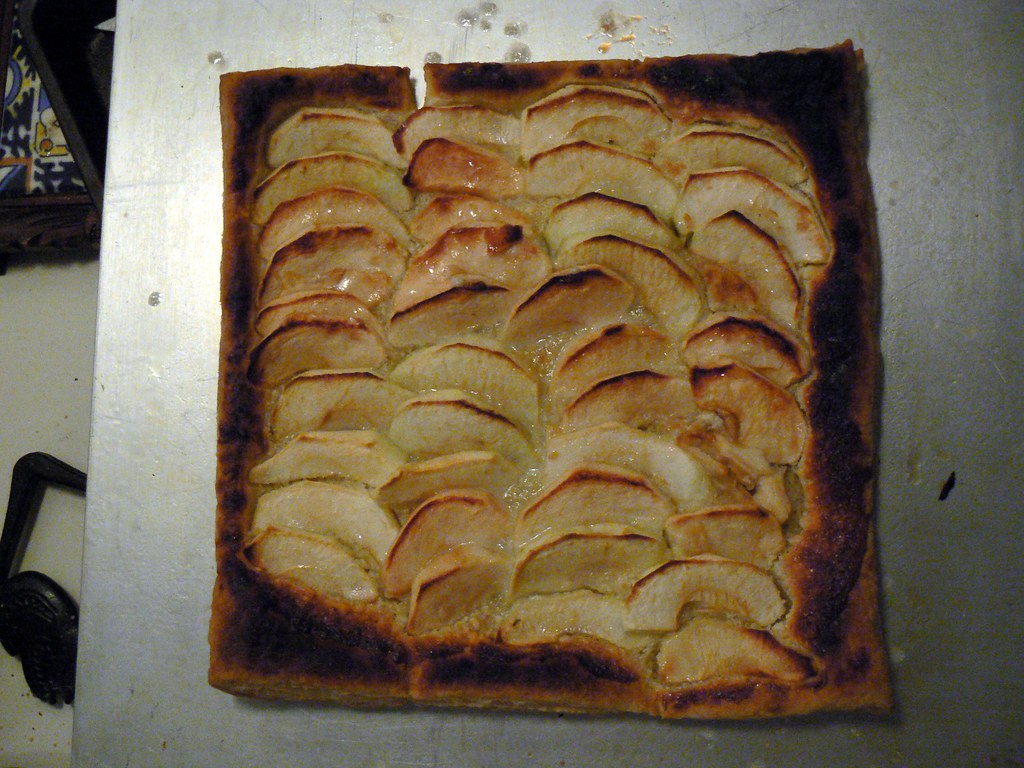
- Apples: apple and cider glaze on the pork, and an apple galette for dessert.
- Mushrooms: mushroom and farro main for the vegetarian slot, and a mushroom garnish on the soup.
- Brussels sprouts: shaved raw in a salad garnish, roasted as a shared side.
Step 2: cost the dish properly
Now the squash soup gets costed. The key idea, set out clearly in this open course text on recipe and menu costing, is the difference between as-purchased (AP) weight and edible portion (EP) weight. Peel, seeds and trim are part of what you paid for.
The formulas are simple:
- Yield % = EP weight ÷ AP weight × 100
- EP cost = AP cost ÷ yield (as a decimal)
- Food cost % = portion cost ÷ menu price × 100
The chef runs a yield test: 10 lb of butternut squash, peeled and seeded, gives 7 lb of usable flesh. That is a 70% yield. If squash is costing the bistro $1.40 per lb as purchased in this example, the real cost is $2.00 per usable lb.
| Ingredient (per 8 oz bowl) | Amount | Example cost |
|---|---|---|
| Butternut squash (EP) | 5 oz | $0.63 |
| Onion, garlic, butter | Batch share | $0.22 |
| Vegetable stock | 4 oz | $0.18 |
| Cream | 1 oz | $0.20 |
| Mushroom and sage garnish | 0.5 oz | $0.35 |
| Bread on the side | 1 slice | $0.30 |
| Total portion cost | $1.88 |
At an $11 menu price, that bowl runs at about 17% food cost, which gives the bistro room to carry a higher-cost main. The pork dish, costed the same way, lands closer to 32%. What matters is the blended cost across the menu, not any single plate.
If you cost on the weight that comes off the truck instead of the weight that goes in the bowl, the menu is lying to you.
The same exercise runs on the galette. Apples lose weight to peeling and coring, so the chef runs a quick yield test on the variety the supplier is sending rather than borrowing a number from a book. Different varieties and sizes trim differently, and a few points of yield on a high-volume dessert adds up over a season.
Re-run the numbers every time a key ingredient price moves. For a fuller method, see our guide to pricing your menu.
Step 3: name the dishes
Names are where fall menus go wrong most often. “Autumn Harvest Symphony” tells a guest nothing. The bistro follows three rules.
- Lead with the main ingredient: “Roasted Squash Soup”, not “Harvest Bowl”.
- Add one detail that signals the season or the method: “with sage brown butter and crispy mushrooms”.
- Keep descriptions under about 15 words, and never list more than four components.
Final names: Roasted Squash Soup with sage brown butter; Cider-Glazed Pork Chop with roasted squash; Mushroom and Farro, parmesan and thyme; Warm Apple Galette with vanilla cream. Plain, specific, and easy for a server to say out loud.
Before printing, the chef reads each name aloud to someone who hasn’t tasted the dish and asks what they expect to be served. If the answer doesn’t match the plate, the name changes. It takes five minutes and saves a lot of sent-back plates and awkward table conversations.
Step 4: train the team before launch
The bistro schedules a 45-minute tasting two days before launch, with front and back of house together.
- Taste everything. Every server tries every new dish. People sell what they have eaten.
- One-page sheet. For each dish: description, key ingredients, allergens, and what it pairs with from the drinks list.
- One line per dish. A single sentence servers can use at the table, like “The squash is roasted, so it’s sweet and a bit nutty, with brown butter on top.”
- Kitchen run-through. Cooks plate each dish twice against a photo spec, and the chef checks portion weights.
After the first week, the bistro pulls sales by item. If a dish sells poorly but guests like it, the name or the server pitch usually needs work. If it sells well but comes back half-eaten, the recipe needs work. For more on building menus and dining experiences, browse our food and dining guides.
FAQ
When should a fall seasonal menu launch?
Once your supplier confirms steady availability of your hero ingredients. Many kitchens aim for late September or early October, but local supply should decide it.
How many dishes should change?
Enough for guests to notice, few enough to execute. Changing a quarter to a third of the menu is a manageable range for most small kitchens.
How do I stop seasonal specials wrecking food cost?
Cost on edible portion, cross-use each hero ingredient, and re-cost when prices move. Balance a low-cost starter against a richer main.
Do I need to reprint the whole menu?
Not necessarily. A seasonal insert or a clearly marked section for the new dishes lets you change four items without touching the rest, and makes the next change easier too.
Your next step
This week, pick three or four hero ingredients from a seasonal list, run a yield test on each, and cost one dish on paper before anyone cooks it. Then book the tasting. If you want ideas from what other kitchens are doing this season, browse the restaurant directory, and read our notes on pre-shift training before launch night.
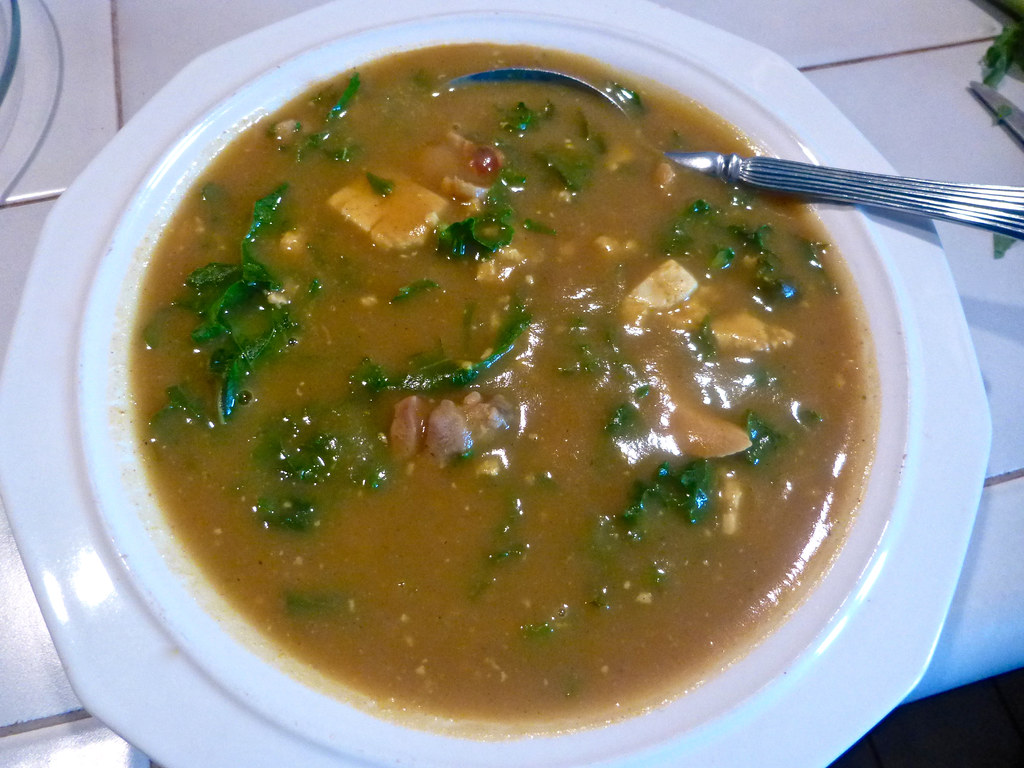
Featured photo: Butternut, kale soup with chicken and sprouted (low carb) tofu by Tatiana12, BY 2.0.